





































Understanding Motorcycle Accident Laws in Illinois
Illinois has specific laws that affect motorcycle accident cases. While the state does not require motorcyclists to wear helmets, it’s strongly recommended for safety. Riders must ensure their motorcycles meet certain legal requirements, such as functioning headlights, brake systems, and proper reflectors. Knowing these rules is important because failing to comply can impact a legal claim, even if the accident wasn’t your fault.
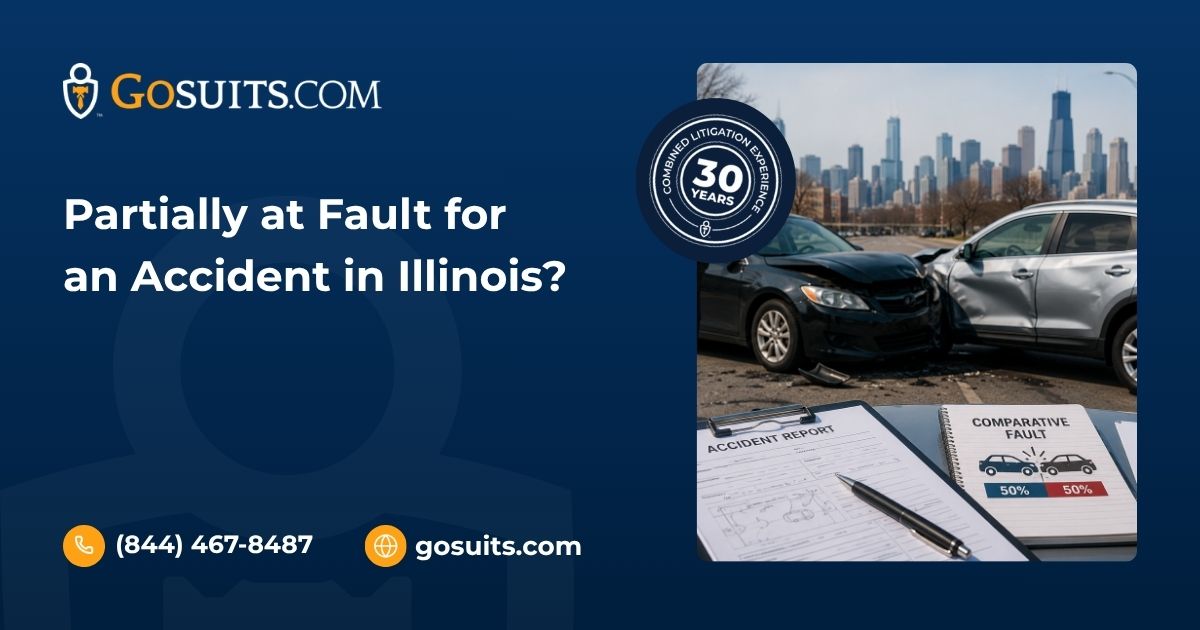
Another important legal consideration is Illinois’ statute of limitations. This law limits the amount of time you have to file a personal injury claim after an accident. In Illinois, the window is generally two years from the date of the accident. Missing this deadline could mean losing the right to seek compensation. Additionally, Illinois follows a “modified comparative negligence” system. If you’re found to be 50% or less at fault, you may be eligible to recover damages, though it may be reduced by your percentage of fault. For example, if you are awarded compensation but found to be 20% at fault, your compensation would be reduced accordingly. Knowing this is critical because insurance companies often try to shift blame to minimize payouts.
Handling Insurance Matters
Dealing with insurance companies after a motorcycle accident can be one of the most challenging aspects of the recovery process. While insurance adjusters may seem helpful, their primary goal is to minimize the company’s financial payout. They might offer quick settlements that seem generous but are often far below what you’re truly entitled to receive.
It’s important to understand that once a settlement is accepted, it is generally final. This means it’s essential to fully evaluate the extent of damages and injuries, including potential long-term costs, before agreeing to any offer. Working with legal counsel can help ensure that your rights are protected. An Illinois motorcycle accident attorney can handle the communication process, assist with evaluating settlement offers, and advocate for compensation that aligns with the extent of your injuries and damages.
Understanding Liability in Motorcycle Accidents
Determining liability in a motorcycle accident case is a critical step in pursuing fair compensation. Unfortunately, motorcyclists often face unfair assumptions about fault, which can make the legal process even more challenging. In Illinois, liability is determined through a detailed analysis of the accident’s circumstances, examining multiple factors to establish who is responsible.
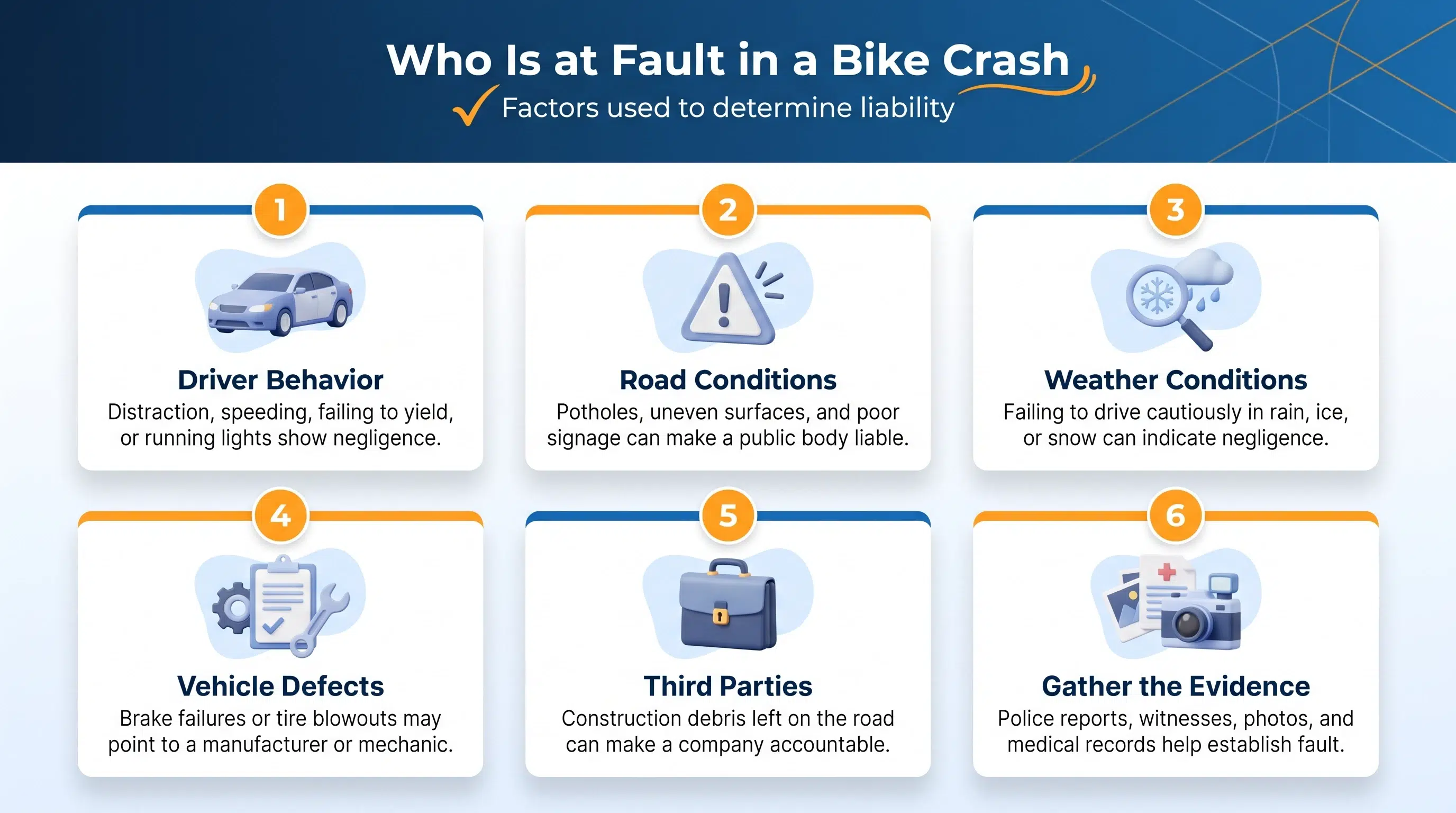
Several key aspects are considered when determining liability:
- Driver Behavior: The actions of all drivers involved are closely evaluated. This includes assessing whether any drivers were distracted, speeding, failing to yield, or violating traffic laws. For example, if a driver ran a red light or was using a mobile device at the time of the crash, their negligence could be a significant factor in determining fault.
- Road Conditions: Poorly maintained roads can contribute to accidents. Hazards like potholes, uneven surfaces, inadequate signage, or obstructed views can create dangerous situations for motorcyclists. If it’s determined that a governmental body or contractor failed to properly maintain the roadway, they could be held partially liable for the accident.
- Weather Conditions: Adverse weather, such as heavy rain, ice, or snow, can contribute to accidents. While weather itself isn’t a liable party, how drivers respond to hazardous conditions is considered. Failing to drive cautiously in poor weather could indicate negligence.
- Vehicle Maintenance and Defects: Mechanical failures, such as brake malfunctions or tire blowouts, can lead to serious accidents. If a defect in the motorcycle or another vehicle contributed to the crash, the manufacturer or a maintenance provider could be liable. Identifying these issues often requires expert analysis.
- Third-Party Responsibility: In some cases, third parties like construction companies or commercial vehicle operators may bear responsibility. For instance, if debris from a construction site was left on the road and caused the accident, the responsible company could be held accountable.
Establishing liability requires gathering and analyzing various forms of evidence which is spearheaded by your motorcycle accident lawyer. This may include:
- Police Reports: These provide an official account of the accident, including statements from involved parties and witnesses, as well as details about traffic violations or citations issued at the scene.
- Eyewitness Testimonies: Witness accounts can provide valuable, unbiased perspectives on how the accident occurred and who may have been at fault.
- Photographic Evidence: Photos of the accident scene, vehicle damage, road conditions, and injuries help document the details and can support your case.
- Expert Analysis: In complex cases, accident reconstruction experts can provide insights into how the accident happened and who is likely at fault.
- Medical Records: These can establish the extent of injuries and help demonstrate how the accident directly impacted the victim.
Types of Compensation Available for Motorcycle Accident Victims
Motorcycle accidents can result in devastating injuries and financial hardship. Victims may be entitled to various forms of compensation, depending on the severity of their injuries and the circumstances of the accident.
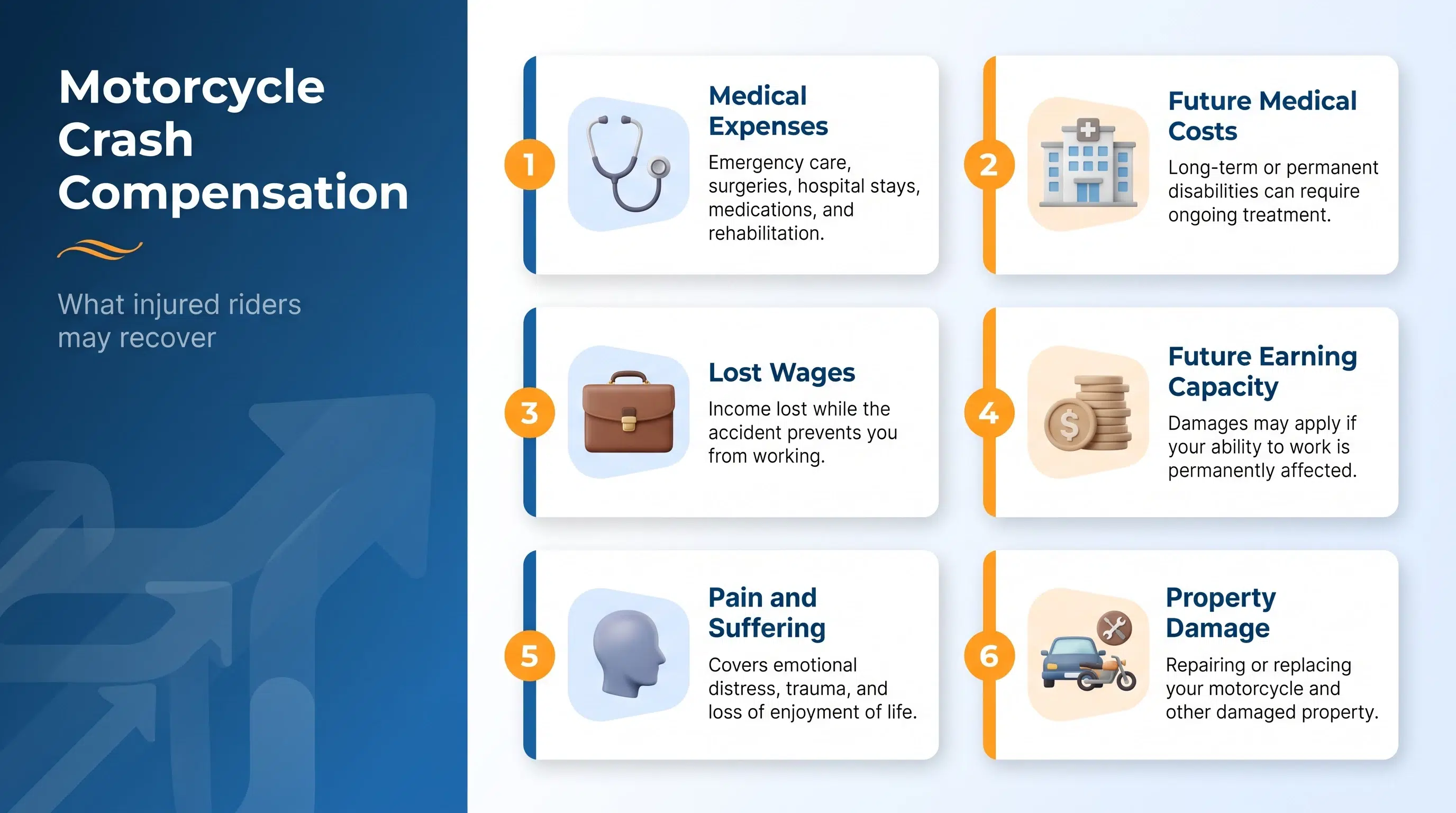
- Medical expenses are often the most immediate concern. Compensation can cover emergency care, surgeries, hospital stays, medications, rehabilitation, and ongoing treatment needs. It’s important to account for future medical costs, specifically if the injuries result in long-term or permanent disabilities.
- Lost wages are another critical factor. If the accident prevents you from working, compensation may be sought for the income you’ve lost. If your ability to work is permanently affected, it may also be possible to seek damages for the loss of future earning capacity.
- Non-economic damages, such as pain and suffering, emotional distress, and loss of enjoyment of life, are equally significant. Motorcycle accidents often lead to psychological trauma, including anxiety, depression, and post-traumatic stress.
- Property damage is also recoverable. This includes the cost of repairing or replacing your motorcycle and any other personal property damaged in the accident.