





























Chicago Dog Bite Attorney for Dog Attack Injuries

Dog Bite? Go Smart, GoSuits.
Get your free case estimate, takes 60 seconds.
 No Fees Unless You Win*
 No Hidden Administrative Fees
 Fast Response Time and Available 24/7





Reviews And Testimonials

mehran irani
I am very thankful for the legal help I received from the attorneys at Gosuits Trial Lawyers. I recommend them for any injury and insurance claims. Yasmin Moussavi is a great Attorney.

Tannaz Barani
There aren’t enough words to express how grateful we are to Shawn Hashemi. He has represented our business through multiple legal matters over the years, and every single time he has gone above and beyond…

Ron Franklin
Great experience...extremely patient and helpful...resolved all of the issues i had. Thanks Janna Gray for all of your help...

Larissa
After my auto accident the firm was reassuring with their knowledge and handling of my case. I recommend contacting them for representation if you’re in a similar situation!
Why choose GoSuits as your Chicago dog bite attorney?
Dog bite cases can involve evidence that does not appear in an ordinary motor vehicle claim. Animal-control reports, ownership and veterinary information, property records, insurance policies, photographs, witness accounts, and medical evidence can all affect how the case is evaluated.
At GoSuits, we combine direct attorney communication with organized evidence review and technology-supported case management. Our attorneys evaluate the Illinois law, insurance issues, medical documentation, and potential defendants involved in each claim.

30+ Years of Combined Experience
Our legal team brings decades of combined litigation experience to personal injury matters. In a dog bite case, that experience can include evaluating statutory liability, insurance coverage, property-related claims, medical evidence, and litigation strategy.
No Fees Unless You Win *
Qualifying personal injury cases may be handled on a contingency-fee basis, so attorney fees depend on a recovery under the terms of the written representation agreement. *Attorney fees, case costs, and other terms are governed by the written representation agreement and applicable law.
No Hidden Administrative Fees
We explain the applicable fee structure and case-cost terms before representation begins so clients can understand the financial terms of the attorney-client relationship.
Fast Response Time and 24/7 Availability
Our intake team is available 24/7 to receive inquiries. Clients can also receive updates from the legal team handling their matter as the case develops.

Start Your FREE Case Evaluation!
If you need immediate assistance, do not hesitate to call Chicago IL Dog Bite Lawyers!
Call Our LawyerOur Commitment to Chicago Through Events and Outreach
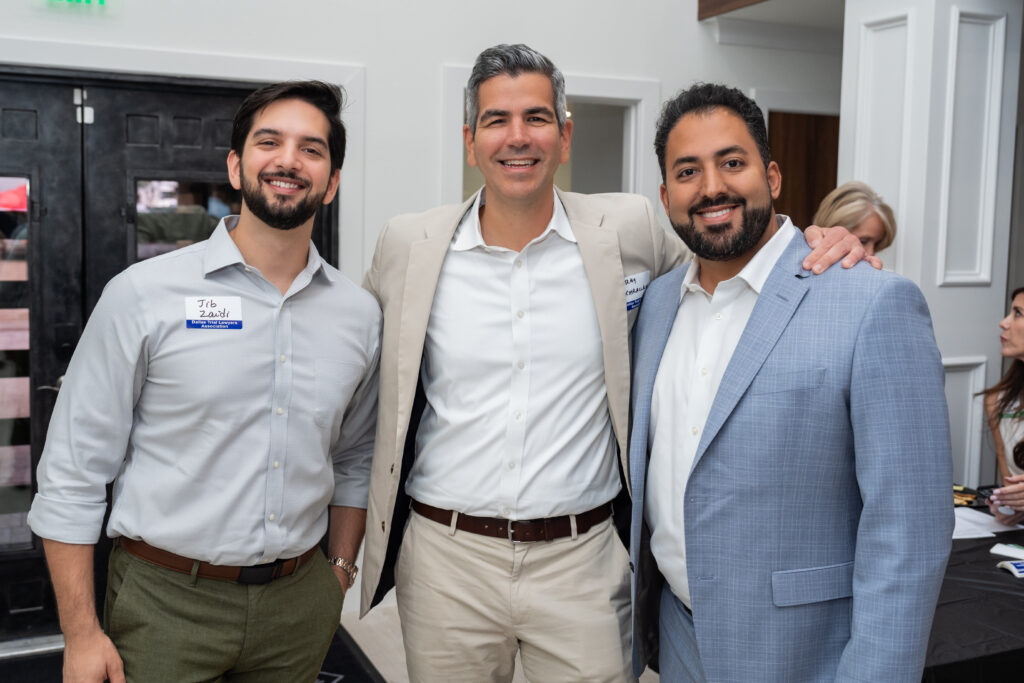
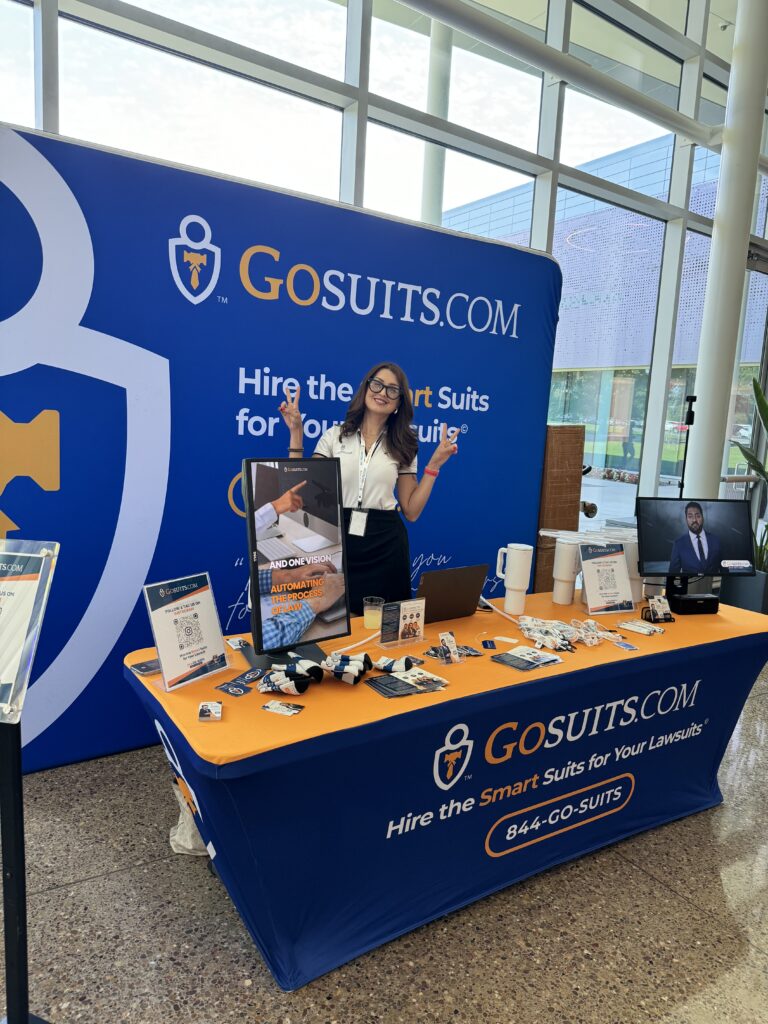
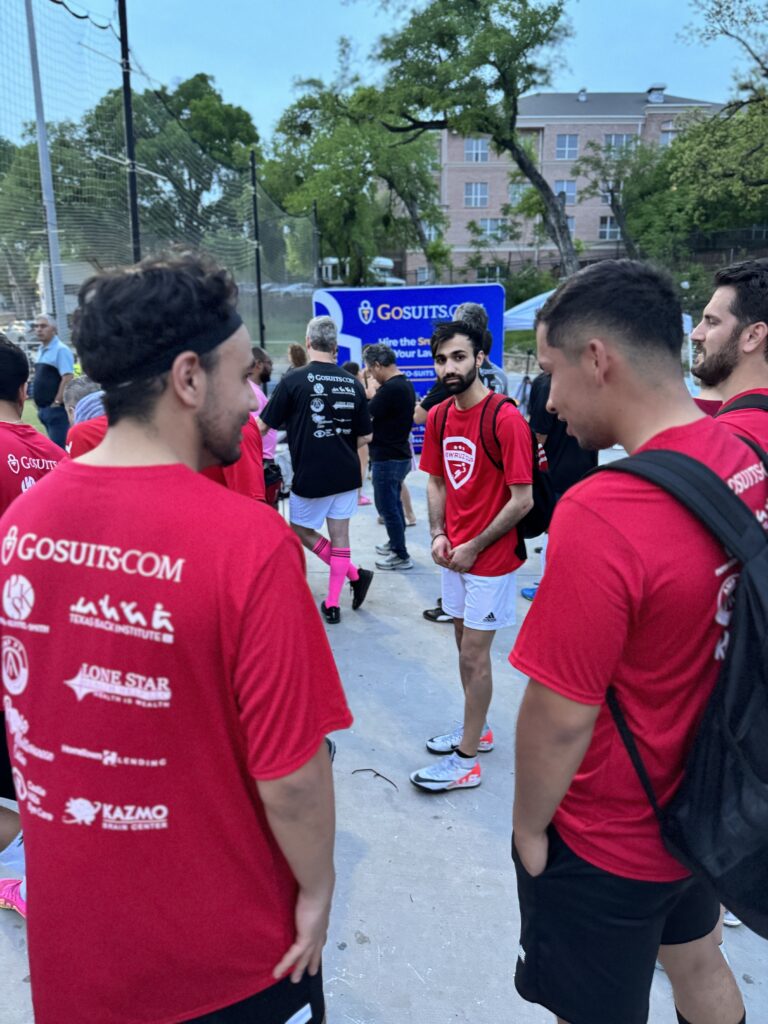
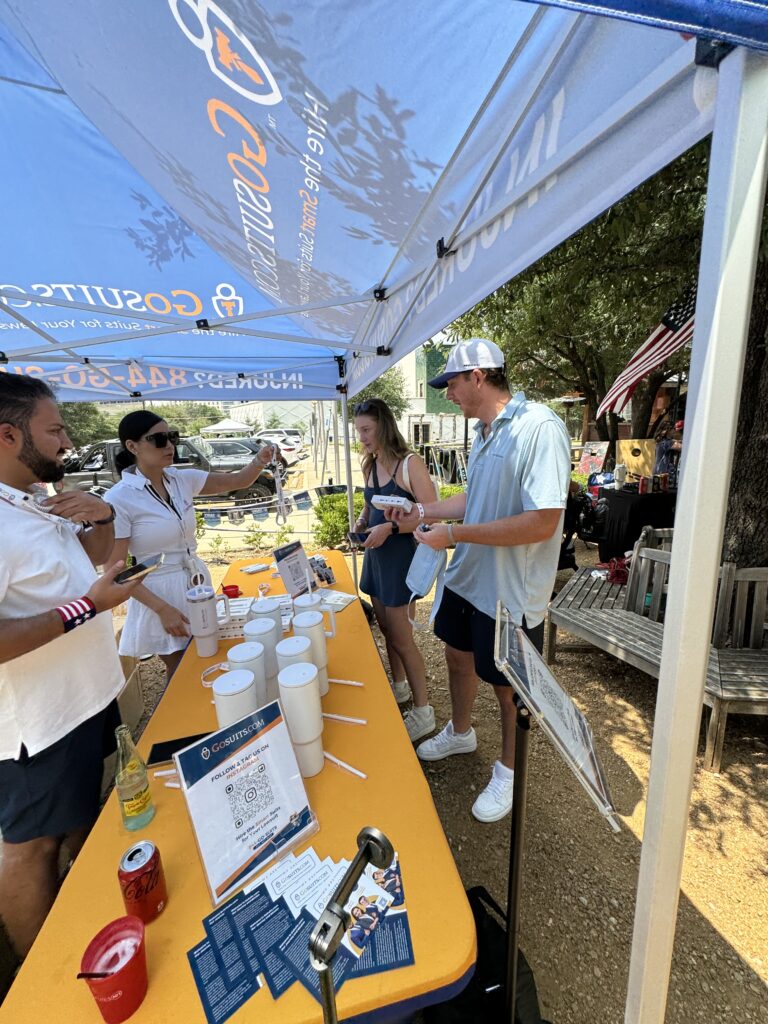
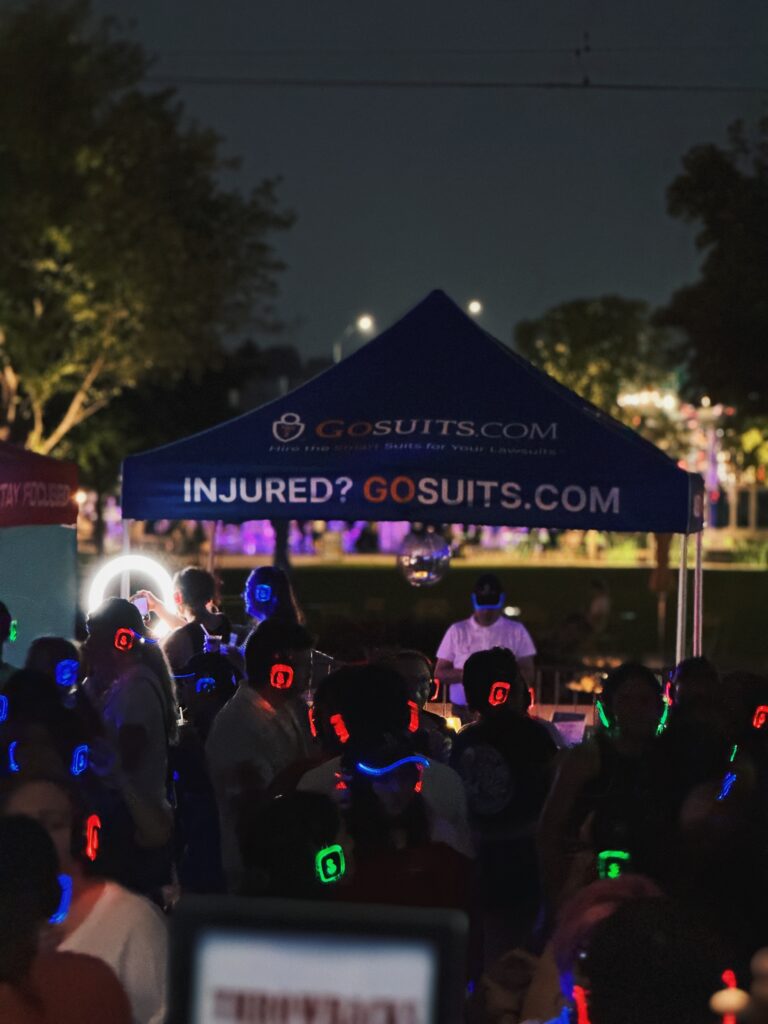
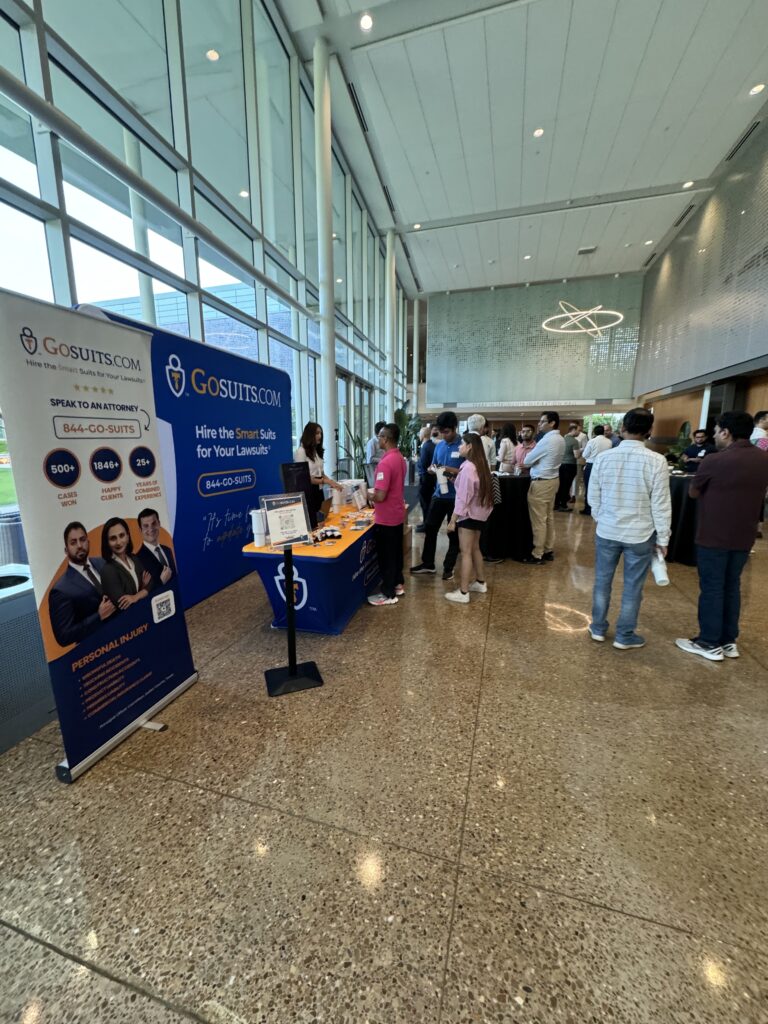
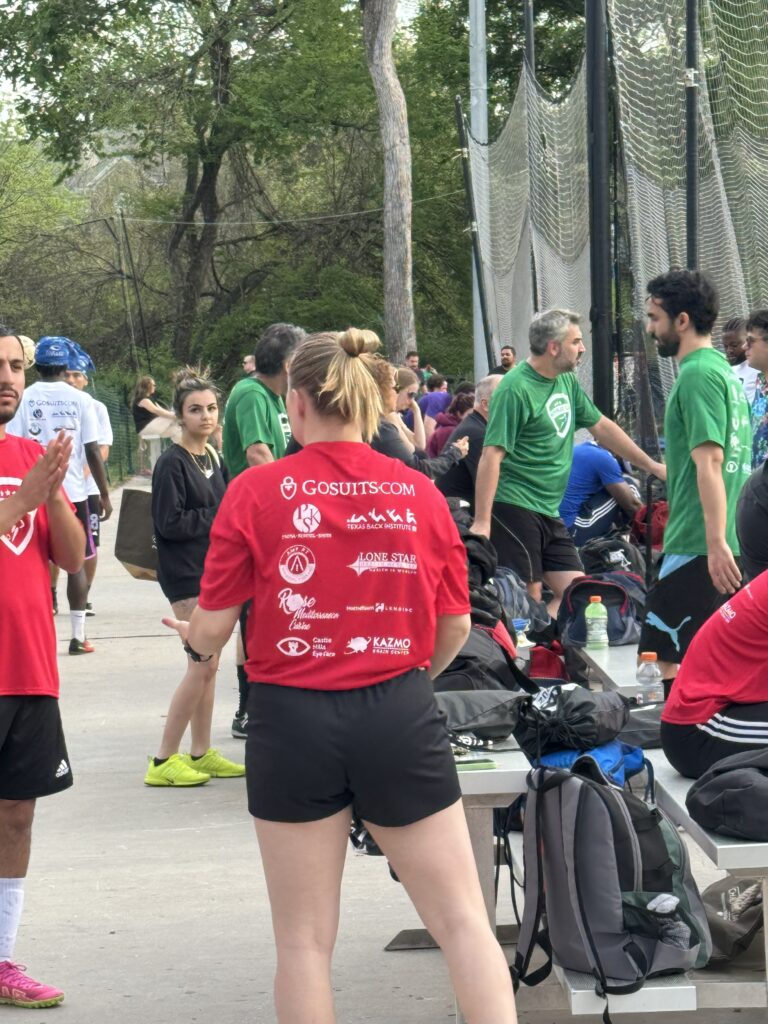
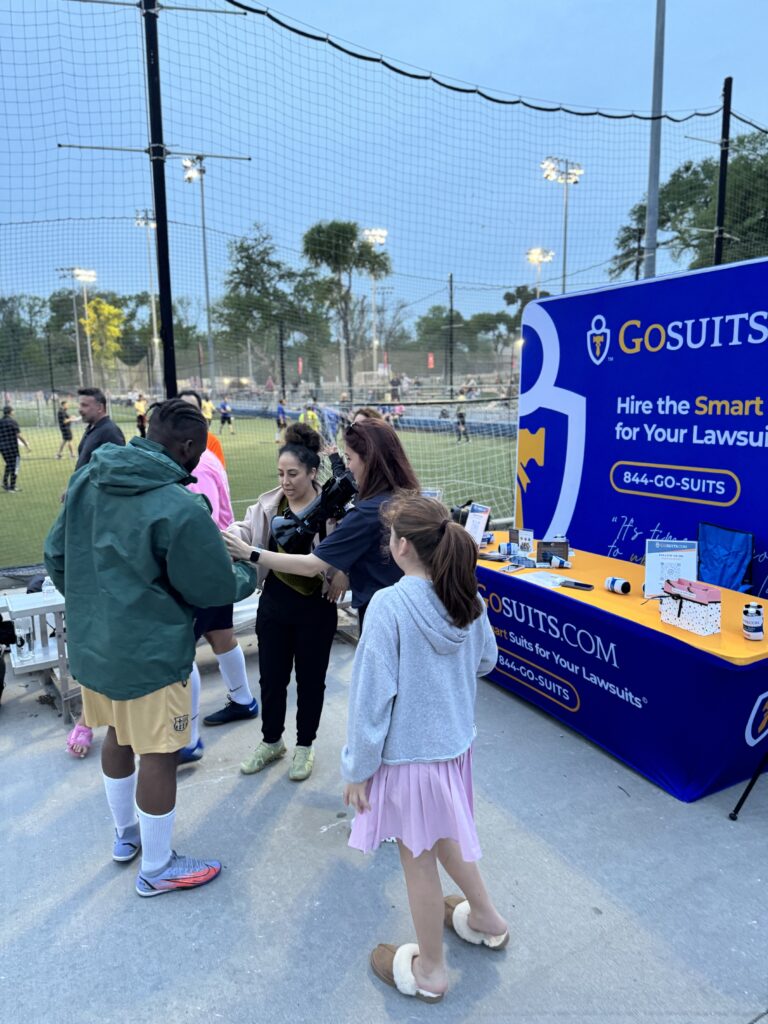
GoSuits serves people and families throughout Chicago and Cook County, and our connection to the community extends beyond individual cases. Legal education and public awareness can help residents better understand personal injury law, insurance issues, filing deadlines, and practical steps to take after an injury.
We also recognize that animal safety is a community issue involving dog owners, families, workers, property managers, and people using Chicago’s neighborhoods and public spaces. Clear information about responsible restraint, reporting, and legal rights can help people make informed decisions after an incident.
Our goal is to remain a useful legal resource for the communities we serve throughout Chicago and the surrounding Cook County area.
Affiliations & Community Involvement
- Mr. Sean Chalaki - Former PTA President, Turtle Rock Elementary School
- Active member, Irvine Chamber of Commerce
- Active member, Network of Iranian Professionals Orange County
- Active member, Orange County Bar Association
- Supporter of local schools, nonprofits, and community organizations across Orange County
Cook County Dog Bite Practice Areas
How can I find a reliable dog bite attorney near me?
What should I bring to my first meeting with a Chicago dog bite attorney?
Bring any medical records or discharge instructions you already have, photographs of the injury and location, the animal-control or police report number if available, and contact information for witnesses and the dog’s owner.
Also bring insurance correspondence, veterinary or vaccination information you received, photographs of fencing or gates, available security or doorbell video, and records showing missed work or other financial losses. For a child’s injury, bring records of follow-up treatment and photographs showing how the injury is healing.
How to evaluate a dog bite attorney in Chicago?
Evidence Collection
1
Animal-Control or Bite Report
The incident report can help identify the animal, owner, location, reported circumstances, and public-health follow-up.
2
Medical Records
Emergency, urgent-care, surgical, specialist, therapy, and follow-up records document the injury, treatment, and medical effects.
3
Photographs Over Time
Early photographs show the initial injury, while later photographs may document healing and changes in scarring.
4
Witness Information
People who saw the incident may provide evidence about the dog’s conduct, restraint, provocation, and the injured person’s presence and behavior.
5
Video Footage
Doorbell cameras, building security systems, business surveillance, or phone video may capture the incident or circumstances immediately before it.
6
Ownership and Veterinary Records
Licensing, veterinary, residence, custody, and care records may help identify who owned, kept, harbored, or had custody of the animal.
7
Property Evidence
Photographs and records involving fences, gates, common areas, warning signs, leases, or complaints may matter when a premises issue is involved.
8
Wage and Employment Records
Pay records and employer documentation may support a claim for qualifying lost income.
Where Dog Bites and Animal Attacks Happen in Chicago
Sidewalks and Residential Streets
Loose or inadequately restrained animals can cause injuries on sidewalks, alleys, driveways, and residential streets. Chicago restraint requirements and evidence showing where the animal was located may become relevant.
Useful evidence can include photographs, witness statements, security video, leash information, and animal-control records.

What are the laws related to Chicago dog bite and animal attack claims?
Code
Law Title
Summary
Types of Dog Bite and Animal Attack Claims in Chicago
Dog Bite Injuries to Children
A child’s claim can involve distinct issues involving growth, scarring, emotional effects, future treatment, filing deadlines, and settlement procedure.nnParents should prioritize medical care, reporting, photographs over time, witness information, and preservation of video or property evidence.
Common Injuries in Chicago Dog Bite and Animal Attack Cases
Types of Compensation a Chicago Dog Bite Attorney May Pursue
Chicago IL Dog Bite Lawsuit Steps and Process
Step 1: Get Medical Care and Report the Incident
Get appropriate medical attention first. Bite and scratch injuries can involve infection and rabies concerns, and medical professionals can evaluate wound care, vaccination issues, and whether additional treatment is needed.
Report the incident through the appropriate local process. Cook County currently instructs that bites to humans and companion animals be reported to the local police department, or to the Cook County Sheriff’s Office for incidents in unincorporated Cook County. The resulting bite report is forwarded to Cook County Animal and Rabies Control. Current county guidance directs reporting within 24 hours.
Step 2: Preserve Evidence
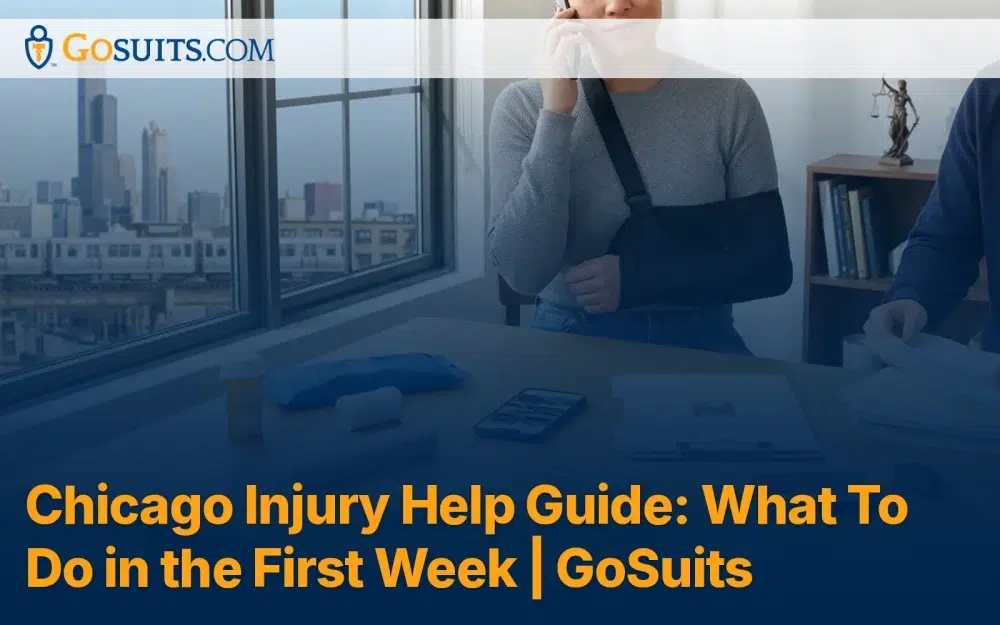
If possible, identify the dog and owner and preserve photographs of the injury and location, witness information, clothing, available video, veterinary or ownership information, and relevant property evidence such as gates, fences, or common areas. For more guidance on early documentation and evidence preservation, see our Chicago Injury Help Guide for the First Week.
Step 3: Identify the Dog’s Owner and Other Potentially Responsible Parties
Ownership, custody, keeping or harboring the animal, property relationships, and other potential defendants are investigated.
Step 4: Investigate Insurance Coverage
Homeowners, renters, commercial, premises, and other potentially applicable liability policies are identified and reviewed for coverage and exclusions.
Step 5: Evaluate Liability Under Illinois Law
The facts are compared with the Animal Control Act’s requirements and any supported negligence or premises-liability theory.
Step 6: Document Treatment and Long-Term Effects
Medical treatment continues while scarring, functional limitations, emotional effects, work losses, and reasonably anticipated future medical needs become clearer.
Step 7: Present and Negotiate the Claim
Once sufficient evidence is available, a demand may be submitted to the appropriate insurer or responsible party. Negotiations can continue before or during litigation.
Step 8: File and Litigate the Case When Necessary
If the dispute cannot be resolved and filing is appropriate, a lawsuit may be filed in the proper Illinois court. Discovery can include written requests, depositions, records, witness testimony, and other evidence.
Step 9: Resolve the Case
A claim may resolve through settlement, mediation, trial, judgment, or another lawful resolution depending on the facts and procedural posture. For more information about the factors that can affect timing, see How Long Does It Take to Resolve a Personal Injury Case in Illinois?
There is no guaranteed result or timeline.
Get to Know Our Chicago IL Dog Bite Attorneys
It's time we do things the SMART way rather than the hard way
“Hire the Smart Suits for Your Lawsuits”

Shawn Hashemi
PRINCIPAL
TX & IL LITIGATION ATTORNEY
Texas State Bar No. 24090151
Illinois ARDC No. 6350378
- Super Lawyers: Rising Star, Personal Injury Litigation
- The National Top 40 Under 40 Trial Lawyers
- Top 100 Settlements Personal Injury by TopVerdict.com (2023)
- Managing Attorney, Illinois Office
- Member, Texas, Dallas and Illinois Trial Lawyers Associations
- Admitted, U.S. Federal District Courts for the Northern, Eastern, Southern and Western Districts of Texas
- Doctorate of Jurisprudence, Texas A&M University






Reviewed by Shawn Hashemi , Managing Attorney, Illinois (Texas Bar #24090151) · Jurisdiction: Illinois, Cook
CONTACT US TODAY - 24/7
(312) 646-4566
Limited time to file your claim. Don't wait!
We’re here to help you get the compensation you deserve.
