
















Award-Winning Chicago IL Rideshare Accident Lawyers | GoSuits

Award-Winning Chicago, IL Rideshare Accident Lawyers

30 Years of Experience Emblem

Rideshare Accident? Go Smart, GoSuits.

Get your free case estimate, takes 60 seconds.

No Fees Unless You Win No Fees Unless You Win*
No Hidden Administrative Fees No Hidden Administrative Fees
24/7 Legal Support Fast Response Time and Available 24/7

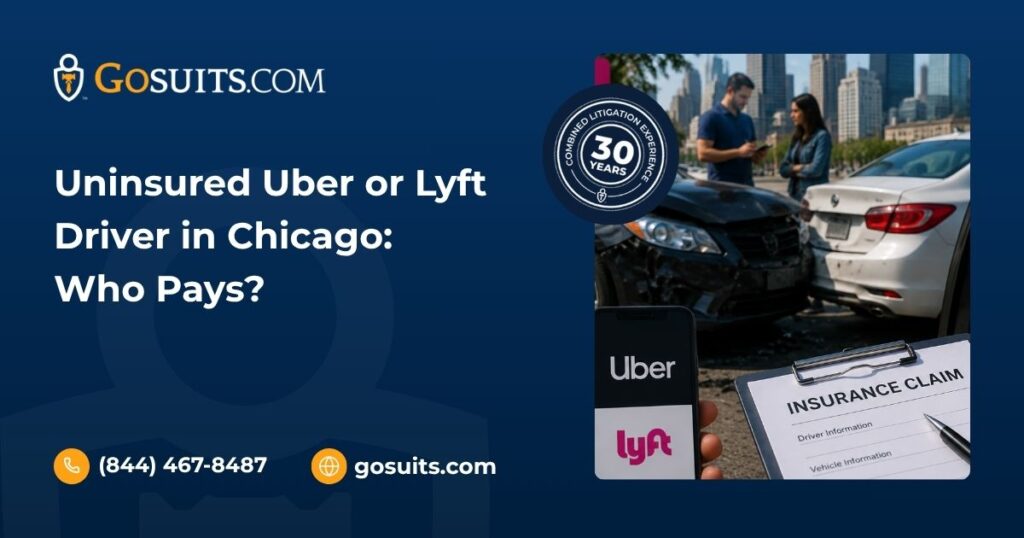
If you were hurt in an Uber or Lyft crash in Chicago, the path forward is more complicated than a standard car accident claim. Rideshare cases in Cook County involve layered insurance systems, corporate defendants who have every incentive to limit what they pay, and a set of Illinois-specific rules that determine which policy applies depending on what the driver was doing when the crash happened. GoSuits handles these cases for people across Chicago and Cook County, from the congested stretches of I-90 and the Dan Ryan to Lake Shore Drive and the stop-and-go surface streets running through the South Side and the West Side.

The parties in a rideshare claim can include the Uber or Lyft driver, the platform company itself, another at-fault motorist, and any number of insurers arguing over who owes what coverage and when. We work through that coverage puzzle from the start, so the question of who pays does not become your problem to solve.

Hero Image
$1,850,000 Car Accident
Litigated and Settled
$1,200,000 Car Accident
Litigated and Settled
$875,000 Car Accident
Litigated and Settled
$575,000 Car Accident
Litigated and Settled
$350,000 Car Accident
Litigated and Settled
The National Top 40 Under 40 Trial Lawyers Attorney At Law Magazine - Law Firm of The Month Sean Chalaki - Best Lawyers 2025 Sean Chalaki - Best Lawyers Ones to Watch 2022

Reviews And Testimonials

Why choose GoSuits as your Chicago rideshare accident lawyer?

Rideshare accident claims in Chicago and Cook County do not follow the same path as a typical two-car collision. The platform companies, Uber and Lyft, operate under tiered insurance structures that shift depending on whether the driver had the app on, was waiting for a match, or had a passenger in the vehicle. Getting that coverage determination right, and getting it early, is one of the first things our attorneys focus on when someone calls us after an Uber or Lyft crash in Chicago. Cases we handle here can involve the rideshare driver, the platform company, a third-party driver, and multiple insurers, all at once.

Our attorneys take rideshare accident cases from the initial investigation through resolution at the Circuit Court of Cook County if the case goes that far. Here is what that process looks like in practice.

Immediate investigation and evidence preservation. The rideshare platform has access to the trip data, GPS records, and app-status logs from the moment of the crash. That data does not stay available indefinitely, and the platforms are not going to hand it over voluntarily. Our attorneys move quickly to preserve it, along with dashcam footage, police reports from the Chicago Police Department, and witness information. On the busier corridors, I-90 near the downtown ramps or I-55 approaching the South Side, there are traffic and surveillance cameras that may have captured the crash, and that footage disappears fast. Speed matters at the investigation stage.

Determining which insurance tier applies. Illinois law and the platform companies’ own policies create three coverage periods tied to the driver’s app status. If the driver was logged off, their personal auto policy is the only coverage in play. If they were logged in but had not accepted a ride request, Uber and Lyft provide contingent liability coverage of $50,000 per person, $100,000 per occurrence, and $25,000 in property damage. Once a ride is accepted and through the end of the trip, both platforms carry $1,000,000 in third-party liability coverage. Getting this wrong, or letting the platform mischaracterize the driver’s status, can cost a client hundreds of thousands of dollars. We verify the app status independently.

Building the liability picture across all responsible parties. A rideshare crash often has more than one liable party. The driver may have been distracted, fatigued, or otherwise negligent. A third-party driver may have caused or contributed to the crash. The platform itself may bear liability if it retained a driver despite prior complaints or safety flags. Illinois follows a modified comparative fault rule: under 735 ILCS 5/2-1116, an injured person can recover as long as their own fault does not exceed 50 percent, with any recovery reduced by their percentage of fault. We account for that from the beginning, not as an afterthought when the insurer raises it.

Knowing how Chicago rideshare cases actually resolve. Most rideshare claims settle before trial, but the terms of that settlement depend heavily on the quality of the case built before anyone sits down to negotiate. We prepare every case as if it will go to a jury at the Circuit Court of Cook County, which means the demand letter and the negotiation position are backed by a real file, not a hope. If the insurer does not negotiate in good faith, we file.

Local knowledge of Chicago’s roads and courts. The Dan Ryan, the Kennedy, Lake Shore Drive, I-290 heading west, these are not just names. Traffic patterns on I-94 through the South Side differ from the congestion dynamics on the Kennedy in the morning rush, and those differences matter when we reconstruct how a crash happened and why. Our attorneys know the Circuit Court of Cook County, its procedures and its judges, and bring in qualified accident reconstruction professionals when the facts of a crash require independent analysis.

Contact Us Today
30+ years of combined experience

30+ years of combined experience

Our attorneys have spent decades handling motor vehicle and rideshare injury claims in Chicago and across Cook County. We know how Uber and Lyft’s insurance structures work, how adjusters approach these claims in Illinois, and what it takes to build a rideshare case that holds up at the Circuit Court of Cook County. That accumulated litigation history informs how we investigate and present every new case we take.

No fees unless you win

No fees unless you win

We represent Chicago rideshare accident clients on a contingency basis, which means you pay no attorney fees unless we recover money for you. There is no upfront cost to open a case and no fee if the case does not resolve in your favor. You can learn more about how contingency representation works on our no-win-no-fee page. The financial risk of pursuing a claim stays with us, not with you.

No hidden administrative fees

No hidden administrative fees

Some firms quote a contingency percentage and then add case costs, file fees, and administrative charges that chip away at what the client actually takes home. We do not do that. Our fee structure is straightforward, and we go over it before you commit to anything. There are no surprise line items at settlement when you work with our Chicago rideshare accident lawyers.

Fast response time and 24/7 availability

Fast response time and 24/7 availability

Rideshare crashes can happen at any hour, and the steps you take in the first 24 to 48 hours have a direct effect on your claim. Our intake team is available around the clock for a free consultation, with Spanish and Farsi speakers on staff for clients who prefer to speak in their first language. We follow up fast, because evidence does not wait and neither should your case.

Contact Us Today
No Win. No Attorney Fees*

Start Your FREE Case Evaluation!

If you need immediate assistance, do not hesitate to call Chicago IL Rideshare Accident Lawyers!

Call Our Lawyer

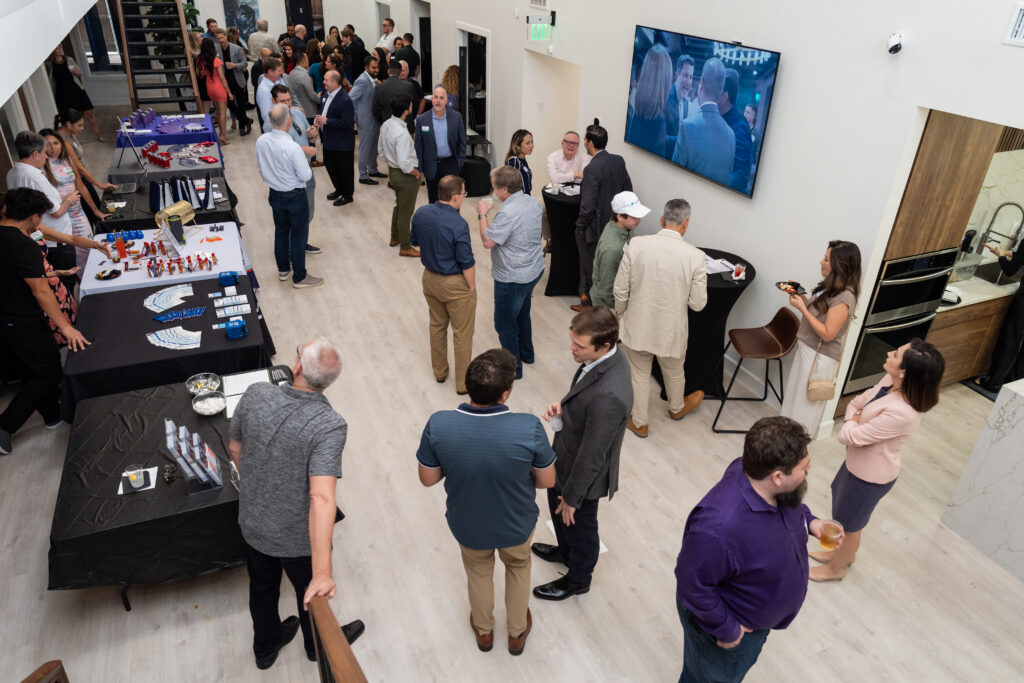
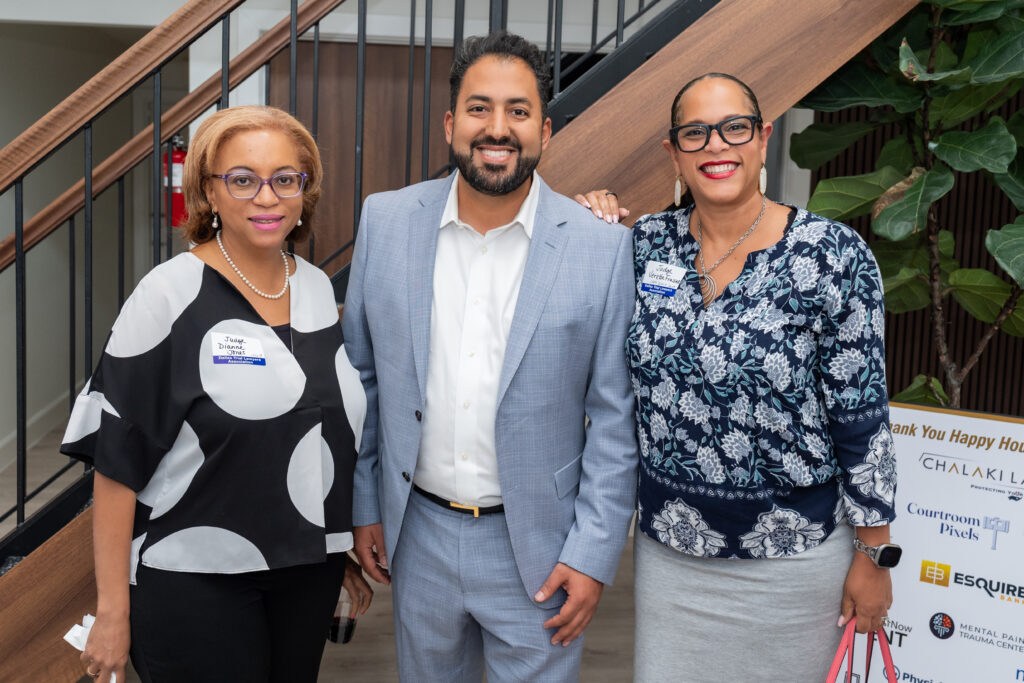
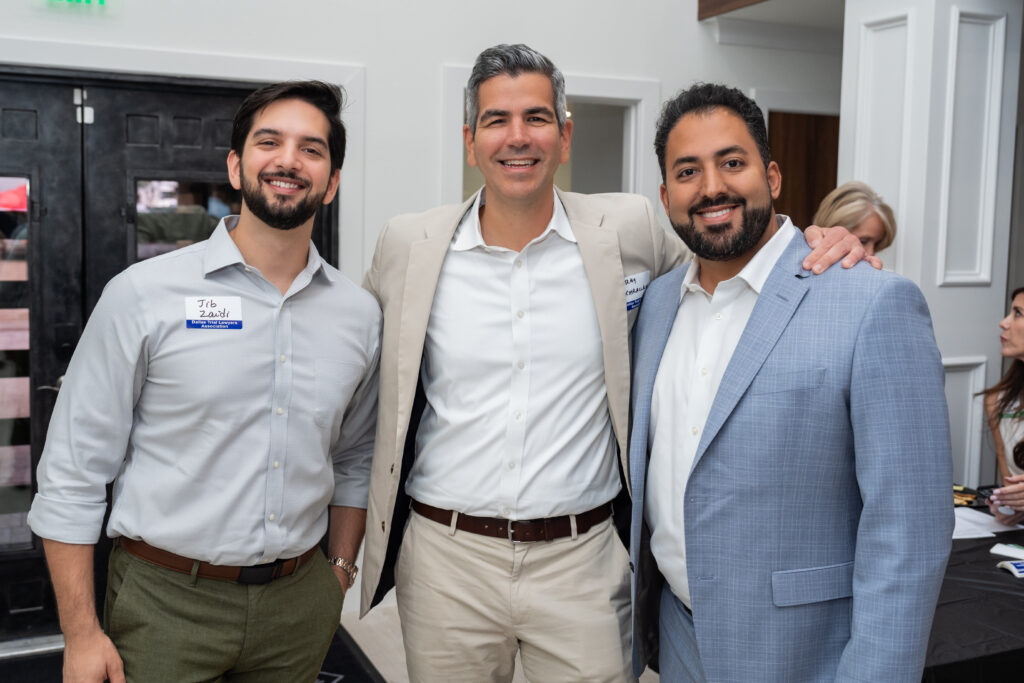
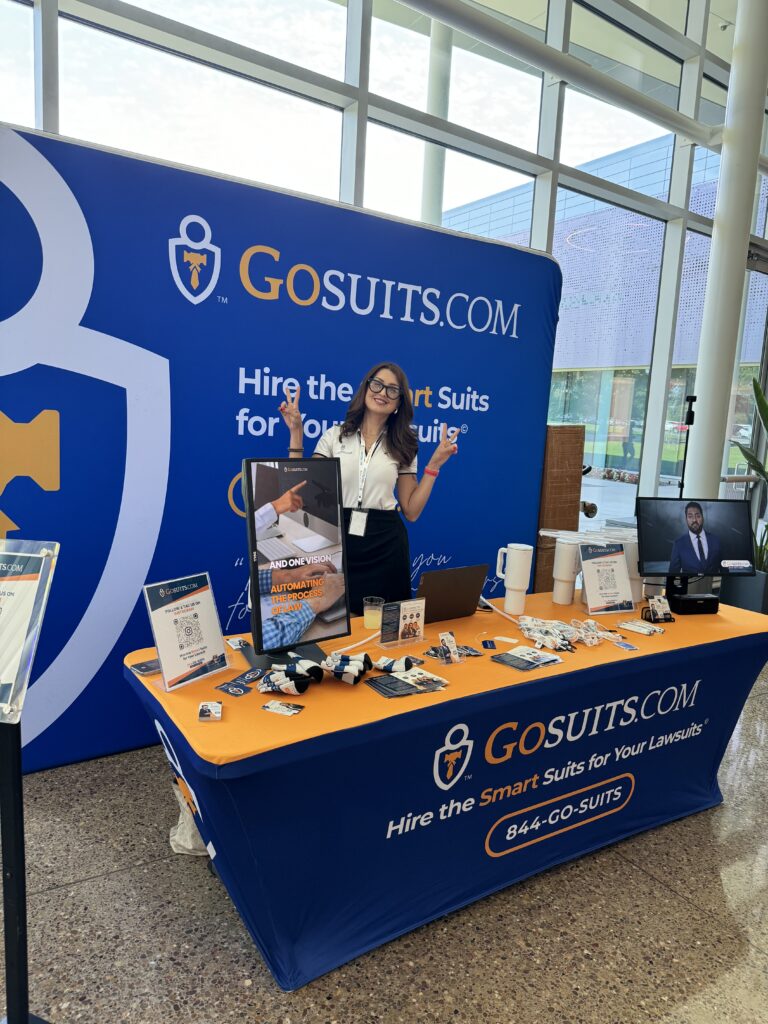
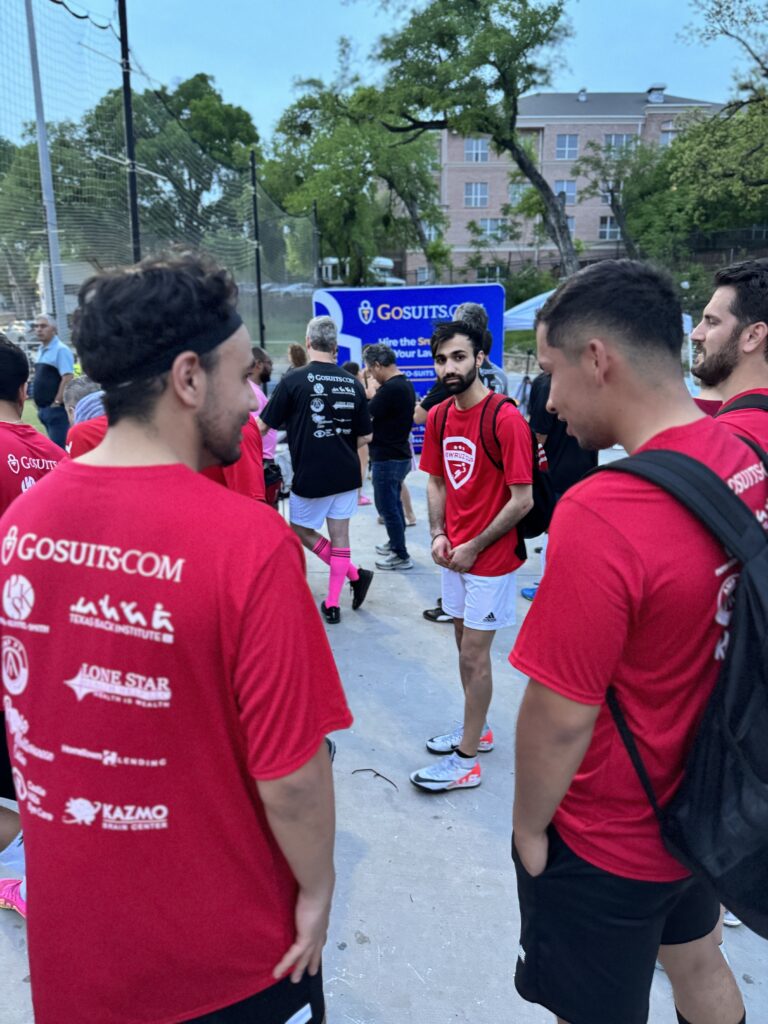
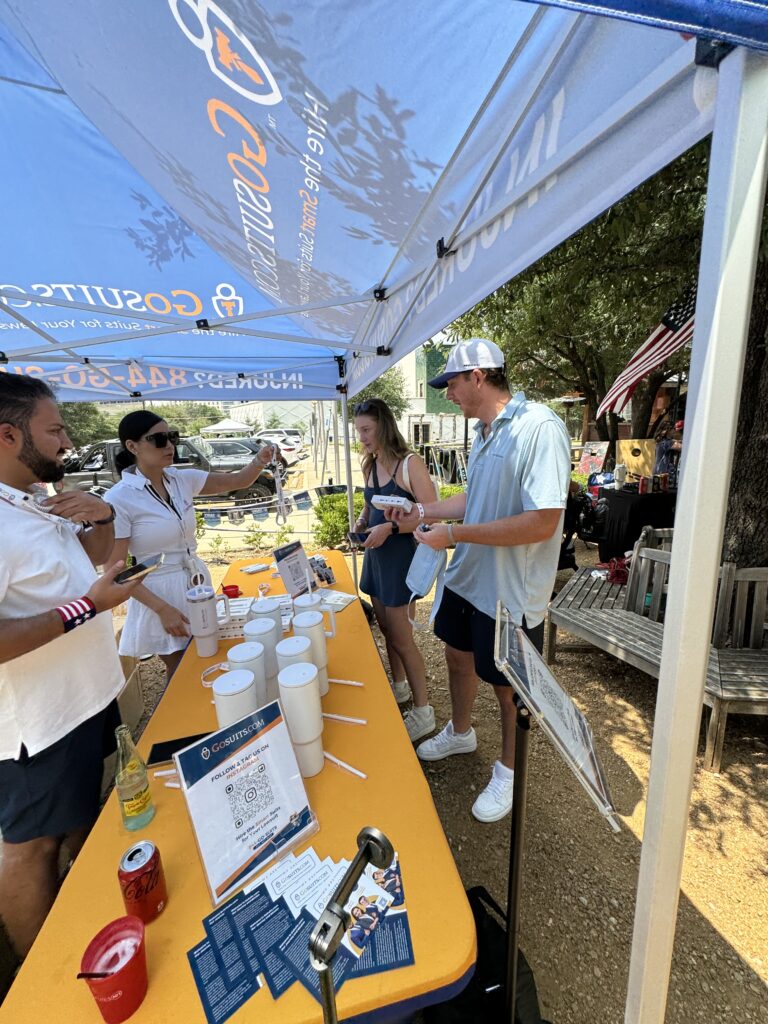
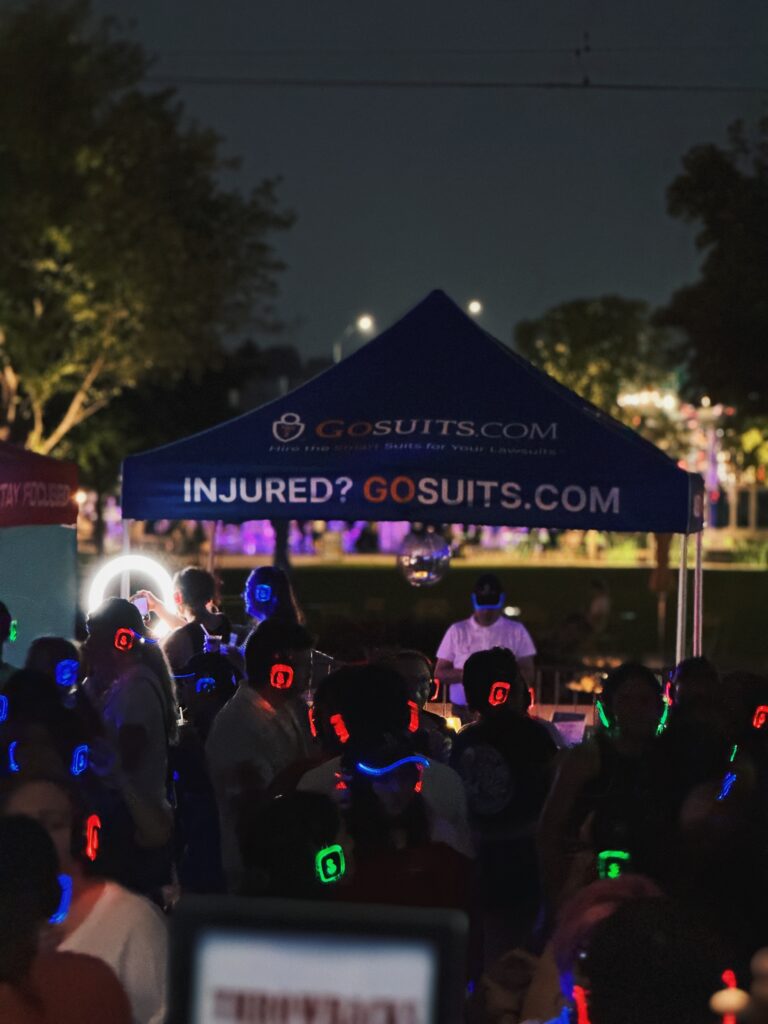
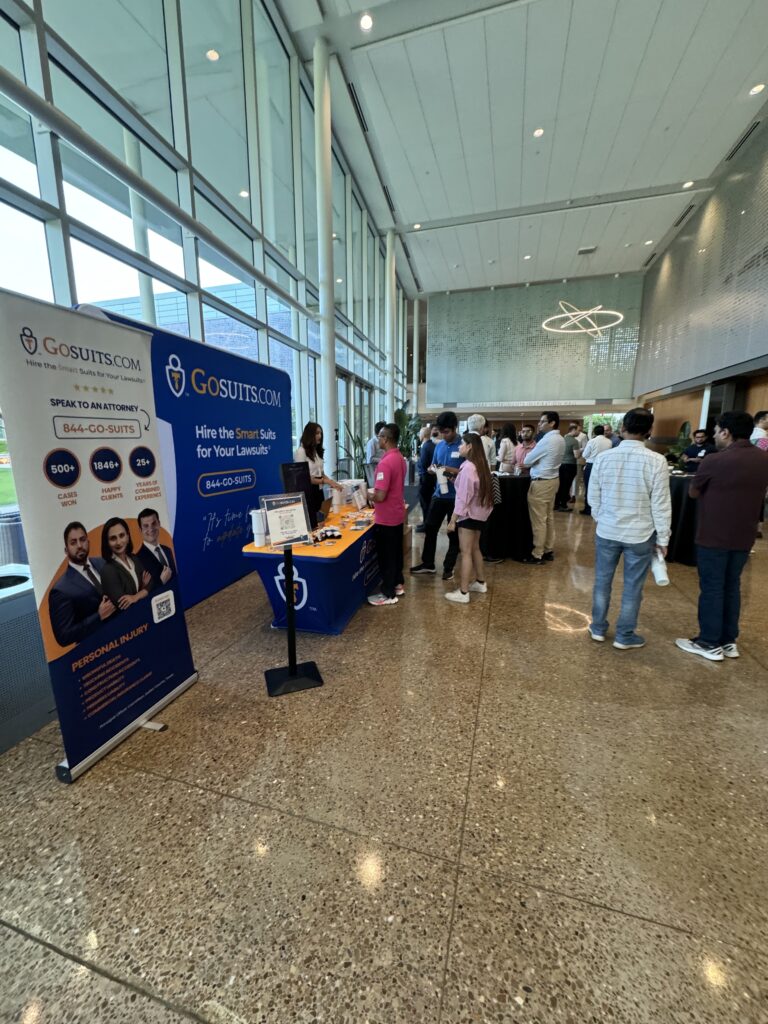
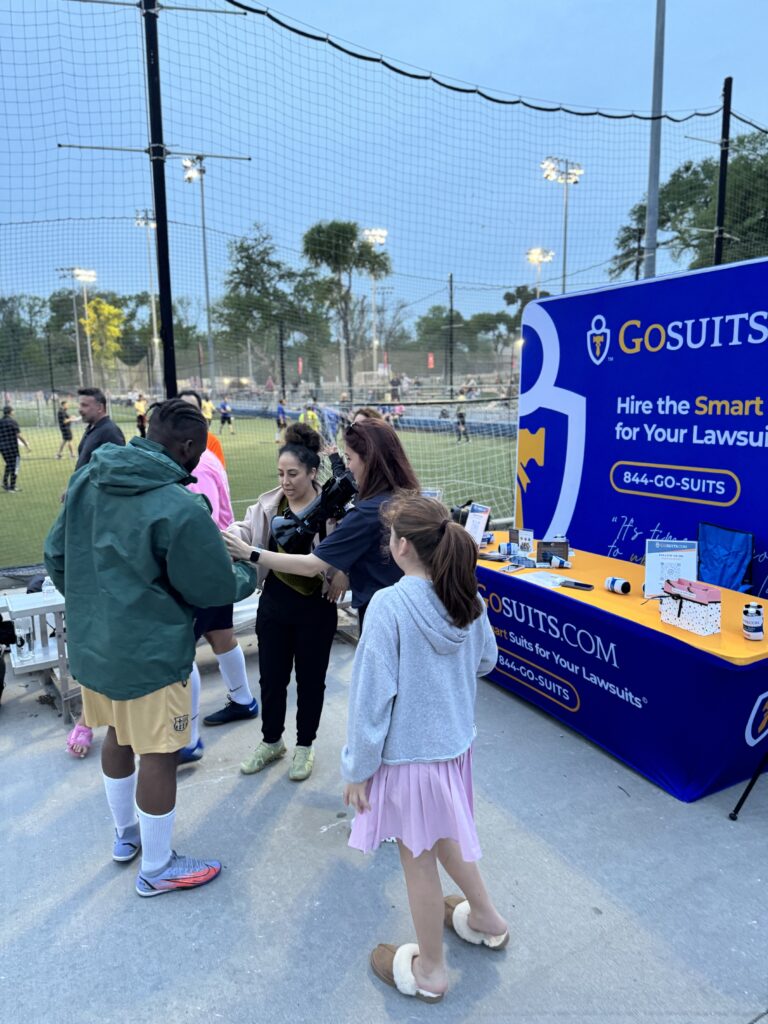
Our commitment to Chicago through events and outreach

GoSuits is present in Chicago as a firm that handles cases here, which means we have an interest in the safety of the city’s roads and the communities our clients come from. We participate in road-safety awareness initiatives in Cook County aimed at reducing the kinds of crashes we see most often in our practice, distracted driving, failure to yield at busy intersections, and the risks that come with the density of rideshare traffic in areas like the Loop, Wicker Park, and the South Side corridors along the Dan Ryan. When residents and drivers understand the rules of the road and the coverage gaps that rideshare passengers can face, fewer people end up needing what we do.

We support legal education outreach in Chicago’s neighborhoods, helping residents understand their rights as passengers in rideshare vehicles and as pedestrians and cyclists sharing Chicago’s streets with a growing volume of for-hire traffic. That kind of education is practical, not abstract: knowing what to do in the minutes after a crash, and knowing not to sign anything the insurer sends in the first week, changes outcomes in real cases.

Our attorneys also engage with professional networks across the Illinois legal community to stay current on changes to state law, court procedure at the Circuit Court of Cook County, and developments in how rideshare platforms structure their insurance programs. That ongoing engagement is part of how we stay able to give Chicago clients accurate, current advice rather than generic guidance.

Affiliations & Community Involvement

  • Texas Trial Lawyers Association - Members, Sean Chalaki & Shawn S. Hashemi (Sean Chalaki serves on the Executive Board for Technology and Innovation)
  • Dallas Trial Lawyers Association - Members, Sean Chalaki & Shawn S. Hashemi
  • Illinois Trial Lawyers Association - Member, Shawn S. Hashemi
  • State Bar of Texas, Torts and Insurance Practice Section - Member, Shawn S. Hashemi
  • Dallas Association of Young Lawyers - Member, Shawn S. Hashemi
  • Phi Delta Phi Honor Society - Member, Shawn S. Hashemi, and graduate of the Dallas Bar Association Trial Academy
  • Orange County Bar Association - Member, Sean Chalaki
  • Irvine, Beverly Hills, and Frisco Chambers of Commerce - Member, Sean Chalaki
  • Network of Iranian Professionals of Orange County - Member, Sean Chalaki
  • Heritage Reimagined - Founding Member, Sean Chalaki
  • South Australian Bar Association and the Iran Central Bar Association - Member, Yasamin Moussavi
  • Turtle Rock Elementary School - Former PTA President, Sean Chalaki
  • Legal Aid - Volunteer, Shawn S. Hashemi
  • Supporters of local schools, nonprofits, and community organizations in every region we serve

How can I find a reliable rideshare accident attorney near me?

Our Chicago Office

8 S Michigan Ave Suite 935
Chicago, IL 60603

(312) 646-4566

Open 24/7 for Emergencies

What should I bring to my first meeting with a Chicago rideshare accident lawyer?

Come with as much documentation as you have. The most useful items are the police or incident report from the Chicago Police Department, any screenshots or email confirmation from the Uber or Lyft app showing the trip details, photos of the vehicles and the scene, your medical records and bills from any treatment after the crash, the names and contact information of any witnesses, and any correspondence you have already received from an insurance company. If the insurer has asked you to give a recorded statement, bring that communication as well, and do not give the statement before speaking with an attorney. A written timeline of what happened, from when you opened the app through the moment the crash occurred, is also genuinely helpful at the first meeting.

How rideshare insurance actually works in Illinois, and why it matters for your claim

The single most important thing to understand about a rideshare crash in Chicago is that the coverage available to you depends entirely on what the driver was doing with the app at the moment of impact. Uber and Lyft do not provide unlimited coverage for every crash involving one of their vehicles. They provide coverage in tiers, and the platform companies and their insurers will argue hard for the tier that costs them the least.
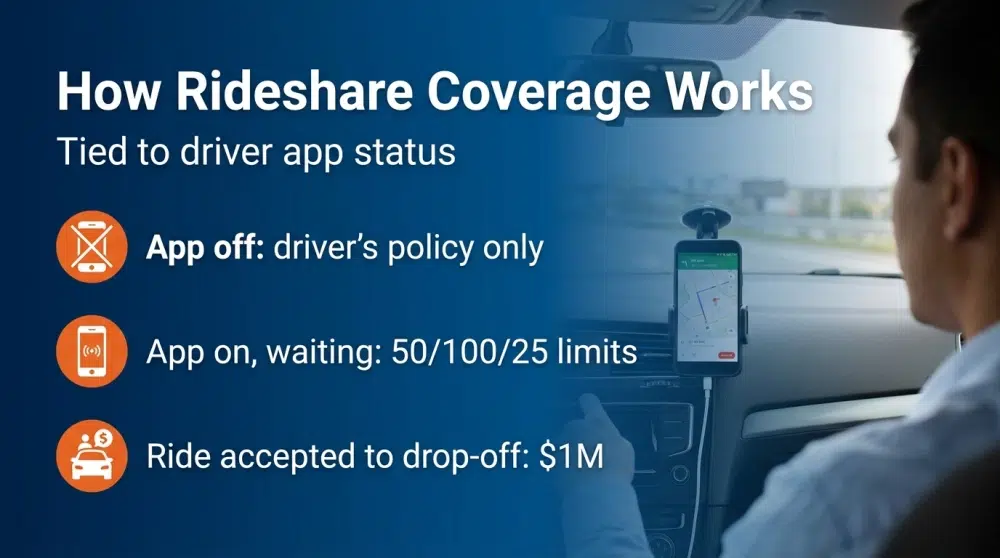
How Rideshare Coverage Works — Tied to driver app status: App off, App on waiting, Ride accepted to drop-off

When a driver has the app completely off, Uber and Lyft have no coverage obligation at all. The driver’s personal auto policy applies, same as any other private vehicle. When the driver has the app active and is waiting for a match, the platforms provide contingent liability coverage: $50,000 per person, $100,000 per occurrence, and $25,000 for property damage. That contingent coverage only applies if the driver’s personal policy does not cover the loss.

Once the driver has accepted a ride request through the end of the trip, both Uber and Lyft carry $1,000,000 in third-party liability coverage. That is the coverage tier most passengers and injured third parties care about. But the question of whether that trip period had technically started when the crash happened is exactly the kind of factual dispute that can reduce a claim by hundreds of thousands of dollars. Platform GPS records, app logs, and the timing of the trip acceptance all become evidence in that dispute.

Illinois also requires rideshare companies to carry uninsured and underinsured motorist coverage. If another driver caused the crash and had no insurance or inadequate limits, the rideshare platform’s UM/UIM coverage may provide a recovery path. Our team evaluates all of these coverage layers from the start, before anyone signs a release or accepts a settlement check. You can read a detailed breakdown of how rideshare insurance coverage is structured in Illinois on our guide to what to do after an Uber or Lyft accident.

Who can be held responsible after a Chicago Uber or Lyft crash?

Most people assume the rideshare driver is the only defendant. That is rarely the full picture.

The driver is obviously a potential defendant if their negligence, distracted driving, speeding, running a red light, caused the crash. But the platform company may also bear responsibility in certain circumstances. If Uber or Lyft retained a driver despite prior safety complaints, failed to conduct adequate background screening, or created incentive structures that encouraged unsafe driving, the platform’s own conduct may be at issue. Illinois courts have allowed claims against rideshare platforms to proceed in situations where the platform’s role goes beyond mere technology and into the actual operation of a transportation service.

Third-party drivers are another common source of liability. A Lyft vehicle gets rear-ended on I-55 near the Stevenson interchange by a driver who ran a light or failed to yield; the Lyft driver did nothing wrong, but the passenger or the third-party victim is injured. In that scenario the at-fault driver’s insurer is the primary target, with the rideshare platform’s underinsured motorist coverage potentially in play if the at-fault driver’s policy limits are too low to cover the damages.

In some cases a vehicle defect contributed to the crash, pulling in the vehicle manufacturer or a parts supplier. Or the crash happened on a stretch of roadway with a known design problem, raising a question about government or contractor liability. These are not the most common theories in a rideshare case, but they matter when the facts support them. We look at all potential sources of responsibility before settling on a litigation strategy.

What evidence does a Chicago rideshare accident attorney pursue?

Rideshare crash evidence has a short shelf life. Platform companies are not legally required to preserve trip data indefinitely, and some of the most important records, specifically the app-status logs showing exactly when the ride was accepted, when the driver was en route, and what the GPS track looked like, can be difficult to obtain once the platform decides the claim is not their problem.

The evidence we move to preserve immediately includes the full trip record and GPS data from the platform, the Chicago Police Department crash report, dashcam footage from the rideshare vehicle if one was present, footage from traffic or surveillance cameras near the crash location (several major intersections on Lake Shore Drive and along I-90 have camera coverage that the city and IDOT maintain), photographs of all vehicles, the roadway, and any visible injuries, and the medical records from the emergency room or urgent care visit after the crash.

Witness statements matter more in rideshare cases than people expect. A bystander who saw the Uber driver blow through a red on a South Side surface street, or a passenger in the following car who observed the Lyft driver looking at their phone just before impact, can provide independent confirmation that shifts the fault analysis in ways the platform’s own records will not.

When the crash involves a dispute about speed, angle of impact, or fault allocation between multiple vehicles, we bring in qualified accident reconstruction professionals to build the physical case independently of what the platform’s records show.

After a rideshare crash on Chicago roads, what should you do first?

Call 911 and stay at the scene. Get medical attention even if you feel fine in the immediate aftermath; adrenaline masks a lot, and injuries like concussions, soft-tissue damage, and internal bruising often show up hours or days later. A gap between the crash and your first medical visit becomes an argument the insurer uses to dispute causation.

Take photos before anything is moved. The position of the vehicles, the traffic signals, the road surface, any debris, these details matter and they change fast. If the rideshare driver attempts to get you to agree on anything about what happened, or the insurer calls you the same day wanting a recorded statement, decline both until you have spoken with an attorney.

Do not delete the app. Your own Uber or Lyft trip history is evidence. It shows the time the ride was booked, the route, and the timing of the crash, all of which can be corroborated against the platform’s records if those records become disputed.

The two-year filing window under Illinois law (735 ILCS 5/13-202) may feel like a long time when you are dealing with injury treatment, but the practical evidence window is much shorter. Camera footage on commercial property and traffic infrastructure gets overwritten on cycles ranging from a few days to a few weeks. Witnesses move, forget, and become harder to reach. Starting the legal process promptly protects your options.

How a rideshare accident claim is valued

What a rideshare injury claim is worth depends on a specific set of facts, not on any formula. The factors that tend to move the number up are the severity and permanence of the injuries, clear fault on the part of the driver or the platform, strong documentary evidence, and significant economic losses including medical bills and missed work. The factors that can reduce a recovery are shared fault on the part of the injured person, gaps in medical treatment, and pre-existing conditions that the defense will argue account for some or all of the claimed injury.

Illinois’s modified comparative fault rule under 735 ILCS 5/2-1116 means that your recovery is reduced by whatever percentage of fault a judge or jury assigns to you. If you are found 20 percent at fault for a crash, your recovery is reduced by 20 percent. If you are found more than 50 percent at fault, you cannot recover at all. Rideshare insurers know this rule and often raise comparative fault as a defense, sometimes aggressively. The quality of the evidence we build at the start of a case directly affects whether that argument gains traction.

Compensable damages in a rideshare injury claim include past and future medical expenses, lost wages and reduced earning capacity if the injury affects your ability to work, pain and suffering, and emotional distress. In cases involving severe or permanent injury, the future damages component, the cost of ongoing care and the long-term impact on your daily life, tends to drive the largest portion of the value.

Beyond pursuing the gross recovery from the at-fault insurer, our team works with hospitals, emergency groups, and medical-lien holders at settlement to reduce what those providers are owed out of the award. What you actually receive at the end of a case is the recovery minus the liens, and reducing those liens is part of the work we do on every case. That difference is often more significant than people expect.

How rideshare insurers handle these claims, and what to watch for

Uber and Lyft’s insurers handle a high volume of claims, and their adjusters have seen every version of these cases. A few patterns come up with enough regularity that injured people should know about them before they receive that first call.
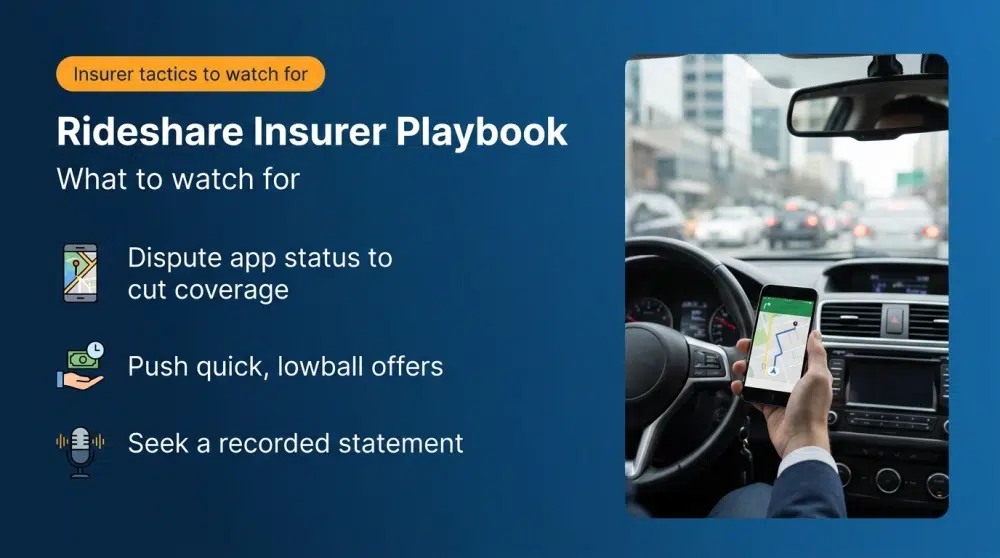
Rideshare Insurer Playbook — Dispute app status; Push quick lowball offers; Seek recorded statements

The first tactic is the coverage dispute. The insurer will often take the position, at least initially, that the driver was not in an active trip period at the time of the crash, pushing the claim down to the contingent-coverage tier or off to the driver’s personal insurer entirely. This is why independent verification of the app status, through platform records obtained through litigation if necessary, is so important.

The second is the early settlement offer. An adjuster who calls you within days of the crash offering a quick payment is not doing you a favor. They are trying to close a claim before the full extent of your injuries is known and before you have legal representation. Signing that release extinguishes your claim permanently.

The third is the recorded statement request. You have no legal obligation to give a recorded statement to the at-fault party’s insurer. The statement will be used to lock in your account of events and find inconsistencies that can be used against you later. Politely decline and contact an attorney first.

If you have already had one of these conversations, tell us about it at the consultation. It does not necessarily damage your claim, but we need to know what was said. Our Chicago personal injury team handles the insurer communications from the point we are retained, so you are not navigating those conversations alone.

How long do you have to file a rideshare injury claim in Illinois?

Under 735 ILCS 5/13-202, the standard statute of limitations for a personal injury claim in Illinois is two years from the date of the injury. For most rideshare accident victims in Chicago, that two-year period runs from the date of the crash.

There are circumstances that shorten that window. If a road defect or a publicly owned vehicle contributed to the crash, a claim against a local public entity such as the City of Chicago falls under 745 ILCS 10/8-101, which allows one year from the date of injury rather than two. A claim involving the CTA requires written notice within six months and filing within one year under 70 ILCS 3605/41. There are also limited circumstances under which the two-year period can be tolled, for example if the injured person was a minor at the time of the crash.

Two years sounds like adequate time, and for the paperwork it may be. But the practical reality is that the case-building work, obtaining the platform records, preserving the camera footage, securing the witness statements, is front-loaded. A case where the attorney is retained two years after the crash almost always has less evidence than one where the attorney got involved in the first week. If you were hurt in an Uber or Lyft crash in Cook County, contact our team as soon as you are able to do so.
Chicago Illinois rideshare accident lawsuit steps and process

1. Collect all available evidence after a rideshare accident

Evidence gathering in a rideshare case begins with the platform records. We issue a litigation hold demand to Uber or Lyft as early as possible, targeting trip data, GPS logs, app-status records, and driver history. At the same time we obtain the Chicago Police Department crash report, document any available camera footage from the crash location, collect photographs of the vehicles and the scene, and secure medical records from the treating hospital or clinic. Witnesses are contacted and their accounts documented before memories fade and contact information goes cold.

2. Write a demand letter to the insurance company

Once we have a complete picture of the liability, the coverage tier, and the full scope of your injuries and economic losses, we prepare a demand letter addressed to the applicable insurer, which may be Uber’s or Lyft’s carrier, the at-fault third party’s insurer, or both. The demand sets out the facts, the liability analysis, the full accounting of medical bills, lost wages, and pain and suffering damages, and a settlement figure supported by the record. The platform companies’ insurers are sophisticated and will not respond to vague demands; the letter has to be built on a real file.

3. Negotiate a settlement with the insurance adjuster

Negotiation with a rideshare insurer is different from a standard two-car claim negotiation because the coverage issues are layered and the platform’s legal team monitors large claims. We negotiate from the position that we are fully prepared to file in the Circuit Court of Cook County if the insurer does not offer fair value. That preparation is not a bluff; it is the thing that makes a reasonable number achievable without filing. Most rideshare claims in Cook County settle during this phase, but the quality of the demand and the credibility of the litigation threat determine the outcome.

4. File a rideshare accident lawsuit in Cook County

If the insurer declines to negotiate in good faith or offers a figure that does not reflect the actual damages, we file a complaint in the Circuit Court of Cook County. The complaint names the liable parties, sets out the facts of the crash, and states the legal theories supporting recovery. At this point the formal litigation clock starts, and both sides are subject to the court’s scheduling orders. Filing a lawsuit does not mean the case will go to trial; the majority settle after filing once the insurer sees that the case is proceeding seriously.

5. Begin the discovery process in a lawsuit

Discovery in a rideshare case is particularly important because the platform’s internal records, driver background information, and company communications may be obtainable through the formal discovery process that would not have been produced before filing. We serve interrogatories, document requests, and notices to depose the driver, the platform’s corporate representatives, and any other relevant witnesses. Depositions of the rideshare driver and the adjuster often produce testimony that significantly affects settlement discussions.

6. Mediate the case before trial

Cook County courts often encourage or require mediation before a trial date is set. Mediation in a rideshare case brings all of the insurers and their counsel into one room with a neutral mediator. Because rideshare cases sometimes involve multiple insurers arguing about coverage contribution, mediation can resolve those internal disputes at the same time it resolves the injured person’s claim. We prepare a detailed mediation brief that presents the liability case and the damages in the strongest possible terms before the session.

7. Go to trial in a Chicago rideshare accident case

When a case goes to trial at the Circuit Court of Cook County, we present the evidence to a judge or jury: the platform records, the accident reconstruction analysis, the medical evidence documenting the injuries and their impact, and the testimony of the driver and any witnesses. Chicago juries are experienced with rideshare cases, and the facts of how Uber and Lyft’s insurance tiers work need to be explained clearly and without legal jargon. We prepare our clients thoroughly for what to expect at trial and for any testimony they may need to give.

8. Finalize a rideshare accident settlement

Whether a settlement is reached before or during trial, finalization involves signing a release of all claims against the settling parties in exchange for the agreed payment. Before any release is signed we go through every term with the client and confirm that the settlement covers the full scope of damages being released. We also work at this stage to reduce outstanding medical liens with hospitals, emergency groups, and any other providers who have asserted a claim against the recovery, so that the net amount the client receives reflects the work we have done on the full claim, not just the gross demand number.

9. Appeal a verdict if a legal error affected the outcome

If the trial resulted in a verdict and a legal error occurred during the proceedings, such as improperly admitted evidence or an incorrect jury instruction on the comparative fault standard, the party harmed by that error may appeal to the Illinois Appellate Court. Appeals are technically demanding and slower than trial-level work, and not every unfavorable outcome provides valid grounds for reversal. We evaluate any potential appellate issue honestly and advise the client on whether the grounds are strong enough to pursue.

Talk to a Lawyer. NO WIN. NO ATTORNEY FEES.*

Call Us Now

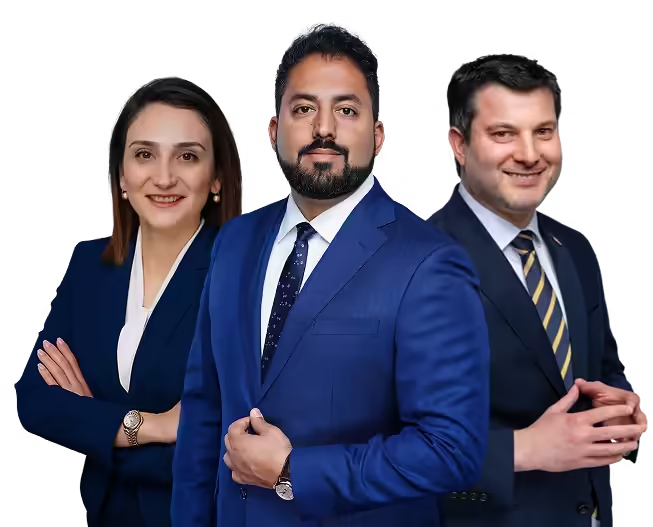
Meet our Chicago rideshare accident attorneys

It's time we do things the SMART way rather than the hard way
“Hire the Smart Suits for Your Lawsuits”

We'll Evaluate Your Case - Totally Free

(312) 646-4566

Frequently asked questions

Does it matter whether I was a passenger, a pedestrian, or another driver when the rideshare crash happened?

It matters for how the claim is structured, not for whether you can pursue one. Passengers in the rideshare vehicle are covered by the platform’s liability policy during an active trip. Pedestrians and occupants of other vehicles injured by a rideshare driver can also bring claims against the driver and, depending on the circumstances, the platform. The coverage analysis differs by role, but injured people in all three positions have pursued and recovered on rideshare claims in Illinois.

More Questions?

Call Our Lawyer

Reviewed by Shawn Hashemi , Attorney · Jurisdiction: Cook County, Illinois

CONTACT US TODAY - 24/7 (312) 646-4566

Limited time to file your claim. Don't wait!

We’re here to help you get the compensation you deserve.

No Win. No Attorney Fees*

Start Your FREE Case Evaluation!