- What happened on U.S. 75 near Legacy Drive
- Why suspected impairment and unsafe lane changes matter in civil claims
- Truck rollover and cargo spill risks on Central Expressway
- Immediate steps after a highway crash in Plano
- Where to request reports and records in and around Plano
- Civil liability issues likely at play
- Insurance and claims after a suspected impaired-driving crash
- Texas crash data and safety context
- Local factors on U.S. 75 that affect cleanup and safety
- Deadlines and timelines that affect a claim
- Action steps that protect health, evidence, and rights
- Commentary from Gosuits Plano, Texas Personal Injury Attorney
- References
What happened on U.S. 75 near Legacy Drive
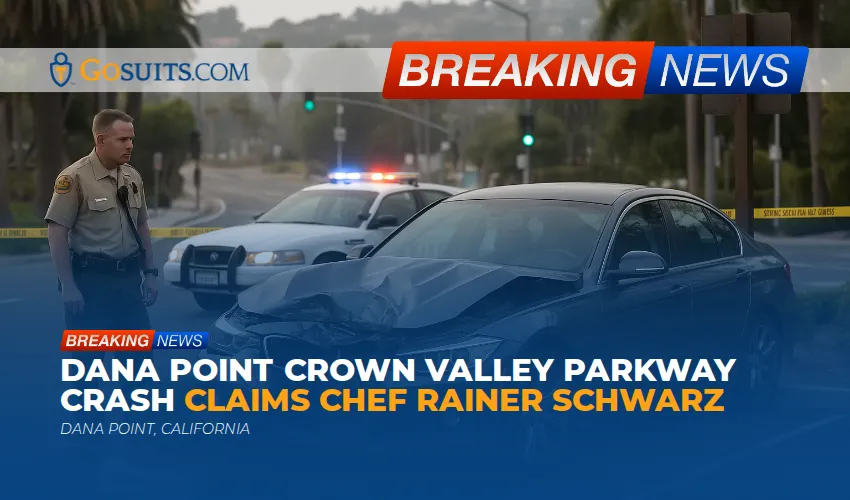
Before dawn on Sunday, March 15, first responders with Plano Police Department and Plano Fire-Rescue were called to a crash on the northbound lanes of U.S. 75 near the Legacy Drive exit. According to initial police statements at the scene, an Audi moved across lanes toward the exit and made contact with a tractor-trailer hauling bananas. The 18-wheeler left the main lanes, struck the support pole for an overhead sign on the service road, and overturned. The spill left crates of fruit scattered across the roadway.
The service road from Spring Creek Parkway to Legacy Drive, along with the Legacy exit ramp, stayed closed for several hours while crews cleared the rig and debris. The semi driver was reported to have minor injuries and was evaluated. The Audi driver, a 37-year-old, was arrested on suspicion of driving while intoxicated pending further investigation. He was later released on bond.
If you drive Central Expressway regularly, you know the Legacy corridor sits by major destinations like Legacy West and The Shops at Legacy. Even during the early morning hours, speeds are high and lane changes happen quickly. A rollover in this stretch creates hazards not only in the main lanes but also along the service road where people enter for breakfast spots, gyms, and early shifts.
Why suspected impairment and unsafe lane changes matter in civil claims
While the criminal justice process addresses whether a driver was legally intoxicated, civil injury claims focus on whether someone’s conduct breached a duty of care and caused harm. Some traffic laws set clear standards for safe driving. Violating them can be persuasive evidence of negligence in a civil case. Two are especially relevant here:
- Staying within a single lane and moving only when safe: Texas law requires drivers to drive as nearly as practical entirely within a single lane and not move from that lane unless it can be done safely [1]. Sudden lane changes to make an exit, especially if they cut off a heavy truck, can create liability if they cause a crash.
- Signaling and executing turns or lane movements safely: Drivers must signal before turning or changing paths, and they must do so safely [2].
Allegations of driving while intoxicated can also be significant in a civil context. Texas law defines driving while intoxicated and sets a per se limit for intoxication based on alcohol concentration [3]. In many civil cases, evidence of impairment can support a finding of negligence or negligence per se. That said, every claim still turns on the full set of facts and evidence, including medical documentation, crash reconstruction, and witness accounts.
Truck rollover and cargo spill risks on Central Expressway
When an 18-wheeler tips, the forces involved and the space it occupies are completely different from a passenger vehicle incident. A tractor-trailer can weigh up to 80,000 pounds, and once it begins to overcorrect or loses lateral stability, it may sweep multiple lanes or leave the roadway in seconds. Cargo spills compound the hazard. Even produce like bananas creates slick surfaces that force extended closures and secondary crashes if not contained quickly.
Federal safety data consistently show that large trucks are overrepresented in fatal multi-vehicle crashes, in part due to their size and stopping distances. The Federal Motor Carrier Safety Administration’s crash statistics are a reminder of the unique physics and risks at play whenever a big rig is involved [4]. For North Texas drivers, that is especially relevant on U.S. 75, I-635, and the President George Bush Turnpike corridors where freight moves through at all hours.
Immediate steps after a highway crash in Plano
If you or a loved one were involved in a crash like this in Plano, the first hours matter. Here is a practical, local-first guide tailored to Central Expressway incidents.
- Get to safety and call 911. Even at 2:50 a.m., U.S. 75 traffic can be fast. Move away from travel lanes if you can safely do so. Report any injuries.
- Accept a medical evaluation. Minor injuries at the scene can evolve into significant symptoms hours later. EMS from Plano Fire-Rescue can evaluate and transport. Follow up with a physician if symptoms change overnight.
- Preserve evidence now. Photographs of vehicle positions, lane markings, exit signage, skid marks, and cargo debris are invaluable. Capture the overhead sign support that was struck, the service road layout, and any tire furrows in the grass.
- Identify potential witnesses. Early morning drivers may include rideshare workers, delivery drivers, and overnight staff heading to Legacy West. Names and contact details help later.
- Do not give recorded statements to insurers before legal guidance. What you say can be used against you. It is generally wise to speak with an attorney first so you understand your rights and obligations.
- Secure your vehicle and cargo items. If your vehicle was towed, find out which lot and keep all personal property. For commercial drivers, keep bills of lading and electronic logs intact.
Medical billing and lost time from work are often the first financial strains after a crash. For a deeper dive into how those costs are documented and recovered locally, see medical expenses and compensation for personal injury in Dallas.

Where to request reports and records in and around Plano
North Texas crashes generate multiple official records that can help families understand what happened and safeguard their rights. Many can be requested under Texas law and local procedures.
Plano Police crash report
Texas uses the CR-3 crash report for qualifying collisions. Certified copies are generally purchased through the Texas Department of Transportation’s crash records portal, which is the statewide repository for peace officer crash reports [5].
Additional materials such as 911 audio, dispatch logs, body-worn camera, or photos maintained by Plano Police Department may be subject to the Texas Public Information Act, with redactions where required. The Texas Attorney General provides guidance on how public records requests work statewide [6]. The City of Plano also offers an online Open Records process for public information requests consistent with state law.
Plano Fire-Rescue EMS records
If EMS evaluated or transported anyone, Plano Fire-Rescue should have a patient care report. These are medical records protected by privacy laws; a signed authorization will be required.
TxDOT traffic management resources
In the Dallas District, TxDOT operates roadway sensors and public traffic cameras for current conditions. Archival video may be limited or unavailable. When time is critical, counsel can move quickly to identify any traffic camera feeds near Legacy Drive and whether third-party businesses had exterior cameras facing U.S. 75.
Towing, cleanup, and scene invoices
Cleanup of spilled cargo and roadway debris generates invoices that can corroborate timing, location, and extent of damage. Tow yard documentation also helps track vehicle condition and chains of custody.

Hospital and clinic records
Hospitals and urgent care clinics maintain medical records and itemized billing. Request both the medical chart and billing ledger. HIPAA provides the process for individuals to access their own medical records [7].
For fatal crashes
When a collision results in death, Collin County’s Medical Examiner handles medicolegal death investigations for Plano. Families can request information consistent with law and next-of-kin rights [8].
Civil liability issues likely at play
Every crash is unique, but incidents in which a passenger vehicle initiates a rapid lane change near an exit in front of a semi often raise recurring legal questions.
- Unsafe lane movement. If a driver moved from a lane when it was not safe to do so and set off a chain reaction, that can support civil liability under Texas negligence standards, aided by Transportation Code provisions on lane use and signaling [1] [2].
- Negligence per se based on suspected impairment. Evidence of impairment at the time of driving can weigh heavily in assessing fault, since Texas law prohibits operating a vehicle while intoxicated [3].
- Employer responsibility for the truck. If the truck driver was in the course and scope of employment, the motor carrier may be vicariously liable for injuries the professional driver sustained because of another motorist’s negligence. Separate corporate negligence theories sometimes involve supervision, training, or policy compliance, but they depend on evidence and are not assumed.
- Evidence preservation. For commercial vehicles, preserving electronic control module data, ELD logs, hours-of-service records, and maintenance files is often critical. Federal rules govern ELD and hours-of-service compliance [9]. Spoliation letters can help ensure data is not deleted in the ordinary course.
- Comparative responsibility. Texas uses proportionate responsibility. A claimant’s recovery can be reduced by their percentage of fault and is barred at 51 percent or more [10]. This framework applies whether injuries were sustained by the truck driver, motorists on the service road, or occupants of other vehicles affected by the spill.
Insurance and claims after a suspected impaired-driving crash
When impairment is suspected, multiple insurance layers may be in play. Liability coverage for the at-fault driver is the first line, but there can be additional paths depending on the facts.
- Third-party liability claims. Injured people can present claims to the at-fault driver’s insurer for medical costs, lost wages, pain and interference with daily living, and property damage. Because anything said to an insurer can be used to challenge a claim, it is prudent to consult counsel first so the initial presentation is accurate and complete.
- Uninsured or underinsured motorist coverage. If the at-fault limits are low or disputed, UM/UIM on your own policy can fill gaps, subject to Texas policy terms.
- Personal injury protection. Some Texas policies include PIP that pays medical bills and a portion of lost wages regardless of fault.
- Dram shop considerations. If alcohol service contributed and the facts support it, Texas law allows limited claims against alcohol providers that served obviously intoxicated patrons who then caused harm [11]. These are fact-intensive and time-sensitive.
Many people assume they can navigate all of this alone, but truck accident lawyers can help coordinate investigations, preserve key data, and manage communications so that well-intended statements are not mischaracterized later.
In the Dallas-Plano area, injured residents often look for Dallas truck accident lawyers when a semi-truck rollover or cargo spill complicates the scene and expands the number of affected vehicles and insurers.
Texas crash data and safety context
Alcohol-involved collisions remain a persistent public safety problem in Texas. State safety resources highlight the heightened risk, especially during overnight hours when visibility is lower and speeds can creep up on open freeways. TxDOT’s impaired driving safety campaign materials explain the risks and the statewide push for designated drivers and enforcement [12]. Federal safety research echoes the elevated crash severity associated with impaired driving and high-speed environments [13].
Large truck crash data also reinforce the importance of safe interactions between passenger cars and commercial vehicles. FMCSA’s Large Truck and Bus Crash Facts reports provide context for how often multi-vehicle crashes involve heavy trucks and the types of maneuvers that lead to loss of control and rollovers [4].
Local factors on U.S. 75 that affect cleanup and safety
Central Expressway in Plano is a mix of elevated structures, entrance and exit ramps in quick succession, and frontage roads that carry heavy local traffic. Around Legacy Drive and Spring Creek Parkway, drivers often make late lane changes to reach the exit ramps for job sites, restaurants, and early-shift retail. In the pre-dawn window, sight lines can be challenging, and drivers sometimes travel at or above posted speeds.
When a truck overturns near a ramp, cascading issues follow: crews need room to upright the trailer, spilled cargo must be collected, and damaged infrastructure such as an overhead sign support must be inspected. Those steps explain why the northbound service road and the Legacy exit ramp remained closed for several hours. Secondary collisions are a known risk until the area is fully cleared, so closures, detours, and extended flares are standard practice.
Deadlines and timelines that affect a claim
Texas law imposes strict time limits on civil claims. A few to keep in mind:
- Statute of limitations. In most Texas personal injury cases, the deadline to file a lawsuit is two years from the date of the crash [14].
- Governmental notice rules. If a claim involves a governmental unit, Texas law requires timely notice of the claim. While a typical highway crash between private parties will not trigger this, incidents involving alleged dangerous roadway conditions or claims that a public entity contributed to harm bring special deadlines into play [15].
- Early evidence capture. Some data, such as nearby private surveillance video or vehicle electronic data, may be overwritten quickly. Early preservation letters and prompt requests can make the difference.
Action steps that protect health, evidence, and rights
Here is a clear, time-ordered plan that community members can use after a highway crash involving a commercial truck in Plano.
- Within the first 24 hours: Get medical care and follow physician instructions. Photograph your injuries and the damage. List all witnesses you spoke with and what they said while it is fresh. Avoid social posts about the crash.
- Within 3 to 7 days: Request the Texas CR-3 crash report from TxDOT once available. Gather your auto policy, health insurance card, and any prior imaging records that might be relevant. Keep receipts for medications, braces, or rides to appointments.
- Before speaking to insurers: Consider consulting a seasoned injury attorney in Texas for a free consultation. Statements to adjusters are recorded and can be used to narrow or contest your claim later. A consultation can clarify coverage, fault arguments, and next steps without risk.
- Within the first month: Track symptoms in a simple journal, including pain levels, sleep disruption, and missed work shifts in Plano or elsewhere. Ask your provider for work restrictions in writing.
- Ongoing: Keep all appointments, retain damaged property, and update your records file weekly. If new witnesses surface, note their full names and contact details.

Commentary from Gosuits Plano, Texas Personal Injury Attorney
Our thoughts are with everyone affected by this rollover and the responders who worked for hours to make the area safe. Crashes like this are frightening to witness, even more so to live through, and this overview is meant to provide general information to help the community understand what comes next.
From a civil perspective, the early reports point to a sudden lane movement toward the Legacy exit in front of a fully loaded tractor-trailer. When that happens, heavy vehicles have limited room and time to respond, and overcorrection can quickly push a rig off the main lanes. If impairment is ultimately proven, that will carry significant weight in determining civil fault. Even if charges are pending or contested, the civil analysis focuses on duty, breach, causation, and damages, supplemented by traffic laws and the physical evidence at the scene.
In our experience, insurance companies move quickly after headline-grabbing incidents, often before injured people understand the scope of their injuries or the full set of coverages available. Corporations and their insurers may also attempt to secure vehicle data or steer communications in ways that minimize their exposure. That is why understanding your rights early matters.
A free consultation with a skilled injury attorney can level the playing field. It helps clarify fault questions, identify all potentially responsible parties, and map out a plan to preserve crucial evidence like ELD logs, dash cameras, and nearby surveillance. It can also help you avoid common pitfalls in recorded statements and early settlement discussions.
References
- Texas Transportation Code 545.060 Driving on Roadway Laned for Traffic – Texas Legislature Online
- Texas Transportation Code 545.104 Signal Required – Texas Legislature Online
- Texas Penal Code 49.04 Driving While Intoxicated – Texas Legislature Online
- Large Truck and Bus Crash Facts – Federal Motor Carrier Safety Administration
- Traffic Crash Reports and Records – Texas Department of Transportation
- Public Information Act – Office of the Texas Attorney General
- Access to Medical Records – U.S. Department of Health and Human Services
- Medical Examiner – Collin County, Texas
- Summary of Hours of Service Regulations – Federal Motor Carrier Safety Administration
- Chapter 33. Proportionate Responsibility – Texas Legislature Online
- Chapter 2. Civil Liability for Serving Alcohol – Texas Legislature Online
- Impaired Driving Safety Campaign – Texas Department of Transportation
- Drunk Driving – National Highway Traffic Safety Administration
- Section 16.003. Two-Year Limitations Period – Texas Legislature Online
- Section 101.101. Notice of Claim – Texas Tort Claims Act – Texas Legislature Online