
















The 405 and 55 meet here, and so do a lot of rear-end crashes
Ask anyone who commutes through Costa Mesa where traffic stops without warning, and the answers cluster around the freeway interchanges and the surface streets that feed them. The 405 carries heavy traffic through the city, the 55 ends in Costa Mesa and hands its traffic to Newport Boulevard, and the 73 ends here as well. Drivers change lanes late, brake hard and sometimes look at their phones at the wrong moment.
Rear-end collisions are the pattern most people picture, and they are common in this kind of stop-and-go traffic. Fault in a rear-end crash is usually argued rather than assumed. The driver in front may have stopped suddenly for no reason, or a third car may have pushed the second car forward. Which of those happened decides whose insurance pays.
Can a store or mall be responsible for a fall?
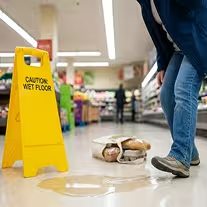
South Coast Plaza, the shopping centers along Harbor Boulevard and the restaurants around SoCo all draw crowds, and a fall inside one of them is a premises claim rather than a car claim. The question is usually whether the owner or manager knew about the hazard, or should have, and failed to fix it or warn people in time. A wet floor that sat for an hour is a different case from one that appeared a minute before you stepped on it.
Surveillance video matters more here than almost anywhere else, and many businesses record over it on a short cycle. Photographing the spot, the shoes you wore and any warning signs (or the lack of them) on the day you fall gives your attorney something concrete to work with.
What happens around the fairgrounds and Fair Drive?
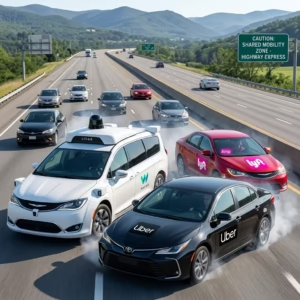
The Orange County Fair takes place each July at the fairgrounds, and concerts at the Pacific Amphitheatre draw crowds through the year. Traffic around Fair Drive and Newport Boulevard slows, pedestrians cross wherever the gaps are, and parking lots turn into obstacle courses. A pedestrian hit in a lot, a rideshare passenger hurt after a late-night event, and a guest hurt on poorly lit grounds can each involve a different defendant.
Event days also make for confusing witness lists, since many people are visitors from out of town. Get names and numbers before everyone leaves.
Walking and biking in Costa Mesa
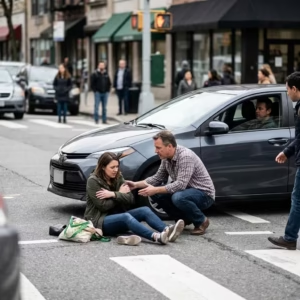
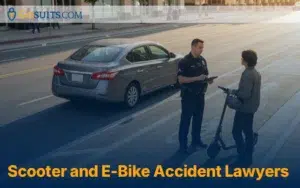
Plenty of people here do not drive to work or class. Orange Coast College puts students on foot and on bikes along Fairview Road and Adams Avenue, and the shopping districts around Newport Boulevard and 19th Street have people crossing mid-block to reach a restaurant on the other side. When a driver turning right looks left for traffic and never sees the person in the crosswalk, the injuries fall on the pedestrian.
These cases turn on small facts. Was the signal in the person’s favor? Was the driver on a phone? Was the cyclist in a bike lane or sharing the road? A short statement from a bystander and a photo of the intersection taken the same day can settle questions that would otherwise become a dispute.
Under California’s comparative fault rule, a pedestrian or rider who made a mistake can still recover. The insurer will ask about it, though, so be careful what you say in the first call.
Who pays if the other driver has no insurance, or too little?
This comes up more often than people think. California requires drivers to carry insurance, but the minimum limits are modest compared with the cost of a serious injury. When the at-fault driver’s policy runs out, your own uninsured and underinsured motorist coverage may apply, if you bought it. Many people never look at that part of their policy until they need it.
We read your policy along with the other driver’s. Sometimes a second defendant turns up, such as an employer whose delivery driver caused the crash, and that opens a larger policy.
What evidence disappears fastest?
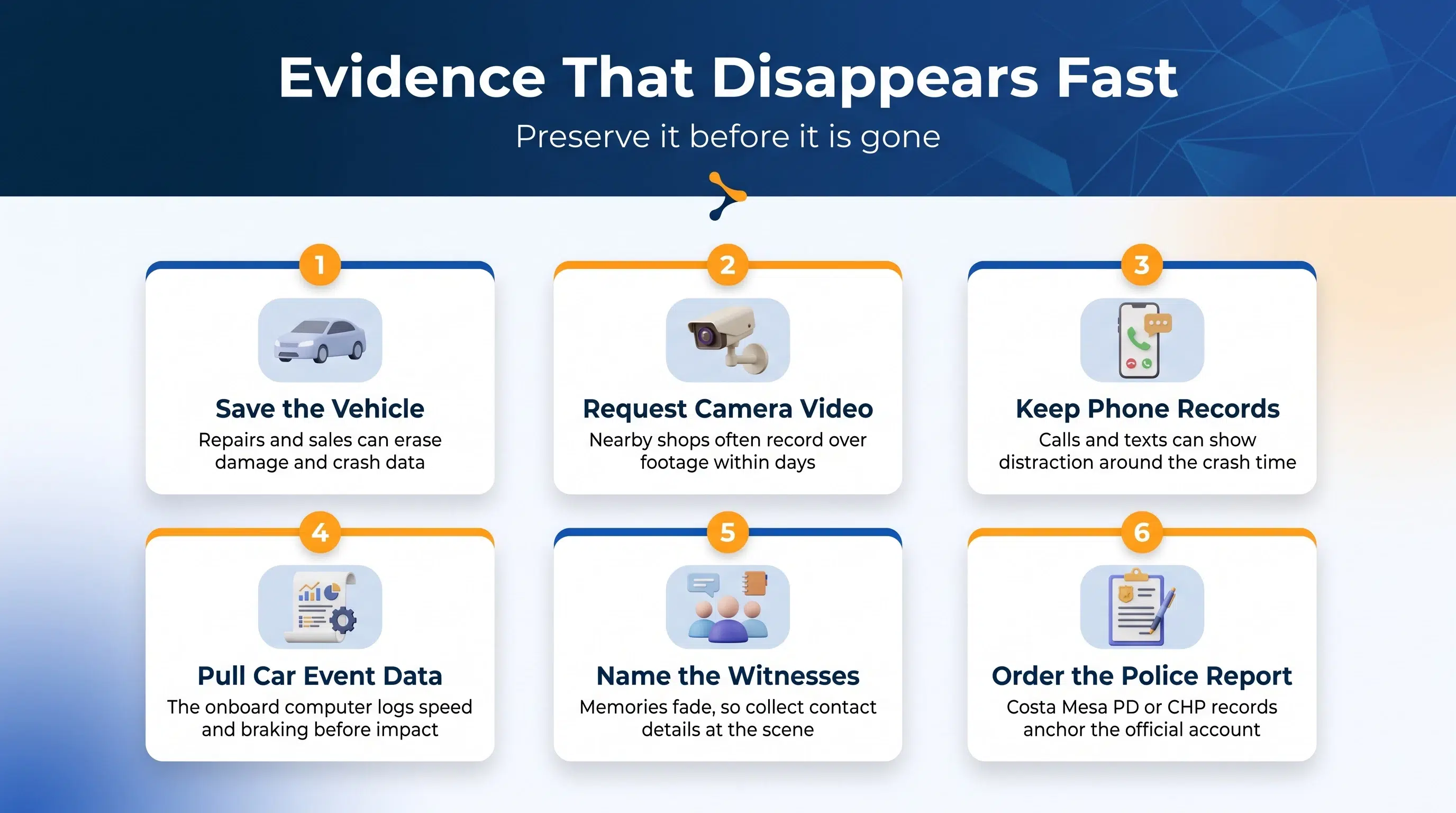
Vehicles get repaired or sold. Camera footage from Harbor Boulevard businesses gets recorded over. Phone records, event data from the car’s computer and the memories of witnesses all fade. In a Costa Mesa case we send preservation letters early so the other side cannot say the material was lost innocently. If you want a practical list of what to gather yourself, our guide on gathering strong evidence for personal injury cases in California walks through it.
Ask for the police report too. The Costa Mesa Police Department is at 99 Fair Drive, and for crashes on the freeways the California Highway Patrol writes the report instead. We can request it for you once you hire us.
How do insurers decide what your claim is worth?
An adjuster reads your medical records, your bills, the photos and the repair estimate, then applies an internal method to produce a number. That number is a starting position. Early offers often arrive before anyone knows how long treatment will last, which is why settling before you reach a stable point in your recovery tends to leave money behind.
Value generally follows the medical treatment, the time off work, the lasting effects on daily life, and how clearly the other party was at fault. A claim with consistent treatment and good records is easier to value than one with gaps.
Gross recovery is only part of the picture. Hospitals, ER groups and health plans often hold liens against a settlement, and we negotiate those down at the end so more of the money reaches you.
Which injuries change how a claim is handled?
A sprain that clears up in a few weeks is handled very differently from a fracture that needs surgery, and different again from a concussion that shows nothing on a scan. Soft tissue injuries in particular get discounted by adjusters because they do not show up well on imaging, even when the pain is real and keeps you out of work.
Head injuries deserve extra care. Symptoms such as headaches, trouble concentrating, light sensitivity and mood changes can appear days after a crash, and a person who feels fine at the scene may not be fine a week later. See a doctor promptly and tell them everything, because treatment records written close to the incident carry weight with insurers and juries alike.
Injuries that affect how you work, sleep, care for your children or enjoy your weekends are part of the claim, too, and we document them with the people who see the change every day.
What can compensation include?
Economic damages cover the costs you can total: medical bills, future treatment, lost wages, reduced earning capacity and property damage. Non-economic damages cover what is harder to price, such as pain, loss of enjoyment of life and emotional distress. In a wrongful death case, the family may pursue funeral and burial expenses, lost financial support and the loss of the person’s love and companionship, as listed in the Judicial Council’s jury instruction on wrongful death damages.
A claim also has to account for what comes later. If a surgeon says you will need a second procedure in three years, that cost belongs in the demand now, because a signed release usually closes the door on asking again.
What should you do in the first few days?
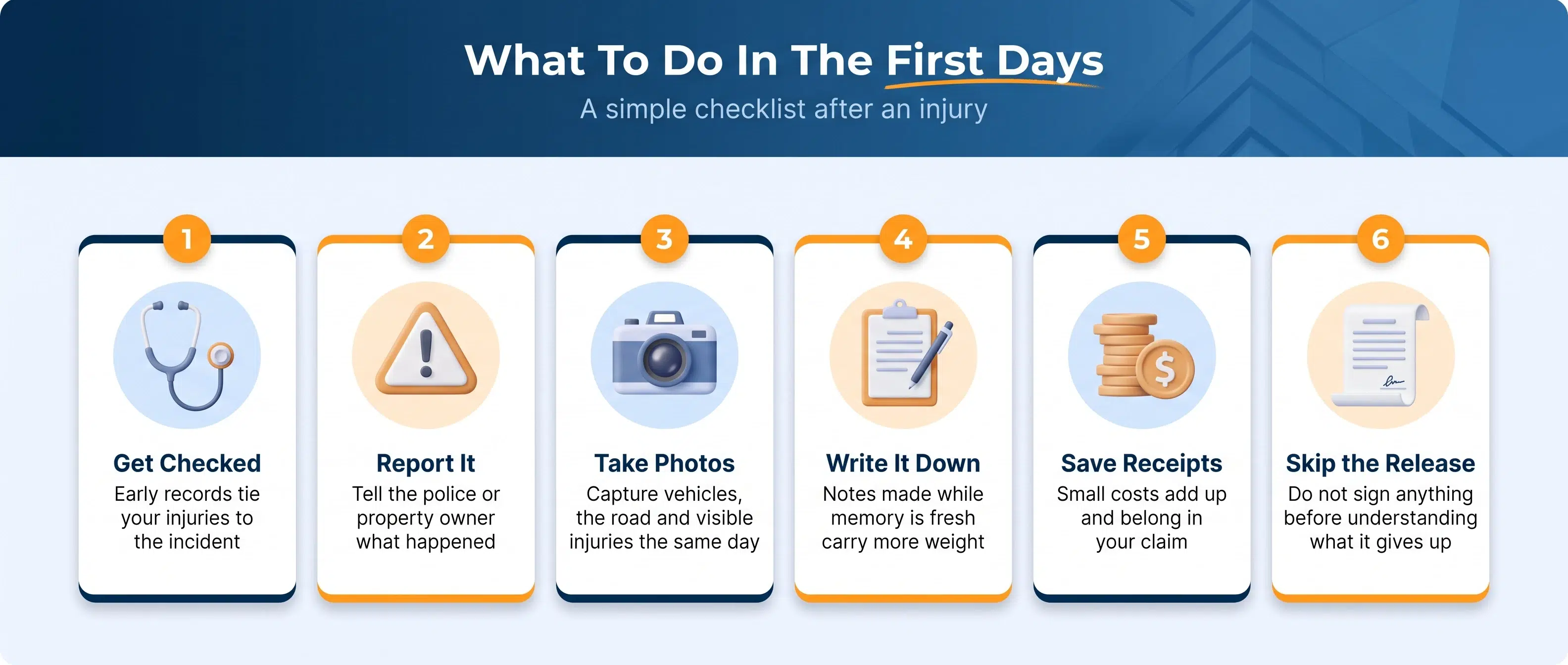
Get checked by a doctor, even if you think you are fine. Report the incident to the property owner or the police. Take pictures of everything, including the other vehicle’s plate, damage, the road and your visible injuries. Write down what you remember while it is fresh. Keep your receipts. Do not post about the incident online, and do not sign a release before you understand what it gives up.
Then call us, or at least talk to someone before the insurer’s first recorded call. That one call often shapes how the claim is valued.
How long do you have to file?
For most injury claims in California, California Code of Civil Procedure section 335.1 sets a two year deadline, counted from the date of injury. Wrongful death falls under the same section. If a city, county or other public agency may share the blame, such as a damaged road or a malfunctioning signal, the rules are much shorter: a claim generally has to be presented to the agency within six months of an injury under Government Code section 911.2, before any lawsuit.
California also uses a comparative fault rule. If a jury finds you partly responsible, your damages are reduced by your percentage of fault, not wiped out. That is one reason adjusters like to suggest you share the blame.
Do local defendants and venues matter?
They do. A lawsuit over a Costa Mesa crash is heard by a jury drawn from Orange County, and the defense lawyers who handle these cases know the courthouses well. We prepare with that in mind, from how we present medical evidence to which witnesses we put on the stand first.
Which Costa Mesa cases do we take?
Most of the Costa Mesa cases we see begin on the road. Collisions on the 405 and the 55, and turning crashes on Harbor Boulevard and Newport Boulevard, are handled by our Orange County car accident lawyers. When a semi or a delivery truck is involved, a carrier and its insurer enter the case, and our Orange County truck accident team works it from the start.
When a crash or another person’s negligence takes a life, the family’s claim follows its own rules about who may bring it and what it can recover. Our Orange County wrongful death lawyers handle those cases. We also take pedestrian, bicycle, rideshare and premises injury cases from Costa Mesa.
Ready to talk?
If you were hurt in Costa Mesa and want someone to look at the facts with you, you can schedule a free consultation. Our Orange County work is coordinated through our Irvine personal injury team, and a conversation costs nothing.