














Who is at risk on the sidewalks, the Strand and the crosswalks?
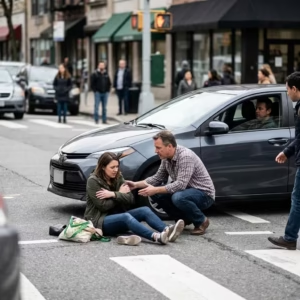
Pedestrians and riders carry the greatest risk in Manhattan Beach. The Strand, the beach path that runs along the sand, mixes walkers, joggers, skaters and cyclists at different speeds, and the streets that cross it put them in front of cars that are looking for parking. Downtown, the blocks near the pier have heavy foot traffic, narrow lanes and cars backing out of angled spaces.
The injuries are rarely small. A rider thrown from a bike hits pavement with nothing to absorb the impact, and pedestrians struck at low speed still suffer broken hips, shoulders and wrists. Bills for orthopedic surgery and therapy arrive fast.
Insurers often argue the pedestrian or rider should have been more careful. We respond with witness accounts, video and the measurements of the scene.
E-bikes, scooters and rented wheels
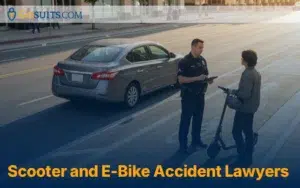
Electric bikes and scooters have changed how people move around the South Bay, and the law is still catching up to them. A rider might be a resident, a teenager or a tourist on a rental. The cause of a crash can be another rider, a driver, a poorly maintained device or a hazard in the path.
California requires drivers to give cyclists at least three feet when passing, and we walk through how that rule gets used in claims in our article on the California three-foot law for cyclists. Rental and battery cases raise product and contract questions: the rental agreement may include a release, and a defective brake or battery can bring in a manufacturer.
Keep the device and do not have it repaired or returned before it is documented.
Sepulveda, Manhattan Beach Boulevard and Rosecrans
The city’s busiest cars move on a few arterials. Sepulveda Boulevard runs the length of town with frequent driveways and turn lanes, Manhattan Beach Boulevard carries beachgoers down to the water and commuters over to the freeways, and Rosecrans Avenue along the north edge handles traffic coming from El Segundo and the I-405 corridor a short distance east.
Those roads produce left-turn collisions, rear-end crashes in stop-and-go lines and sideswipes at lane drops. Evening and commute hours are heaviest, and glare off the ocean on late afternoons can make a signal hard to read. Where a crash turns on timing, we request signal timing records and look for video from nearby shops.
You live elsewhere, or the other driver does
Many people hurt in Manhattan Beach do not live there. Beach visitors can be tourists, day-trippers from the Valley or drivers from out of state, and any of them can be the injured person or the at-fault one. That raises practical questions about whose insurance applies and where a lawsuit belongs.
If the at-fault driver lives out of state, their policy may carry limits different from California minimums, and serving papers becomes harder. If you are the visitor, your own home policy may have coverage for medical bills or an uninsured motorist. We read both. Keep your rental car agreement, hotel receipts and flight details if you traveled here, since those help establish where you were and why.
Restaurants, rentals and homes: premises claims
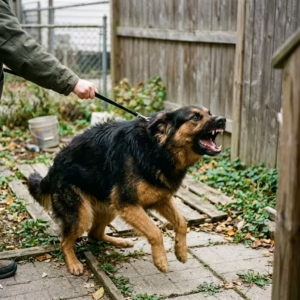
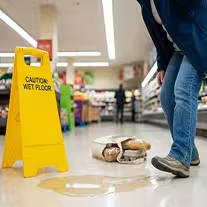
A fall on a wet restaurant floor, a collapsed deck at a vacation rental, a dog bite on a walk street: owners and operators in a beach town carry insurance for these events. The owner is responsible when they knew about a hazard, or should have, and did not fix it or warn about it.
The central question is usually time. How long was the hazard there, and who checked? Photographs, maintenance logs and cameras decide that, and they disappear quickly, which is why we send letters early. For dog bites, California law generally holds the owner responsible for injuries from a bite when you were lawfully on the property or in a public place, and homeowner’s insurance often pays.
Rides to and from the pier
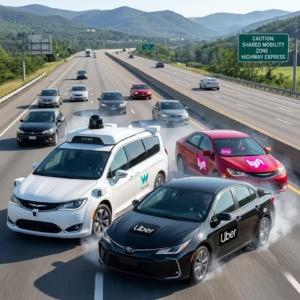
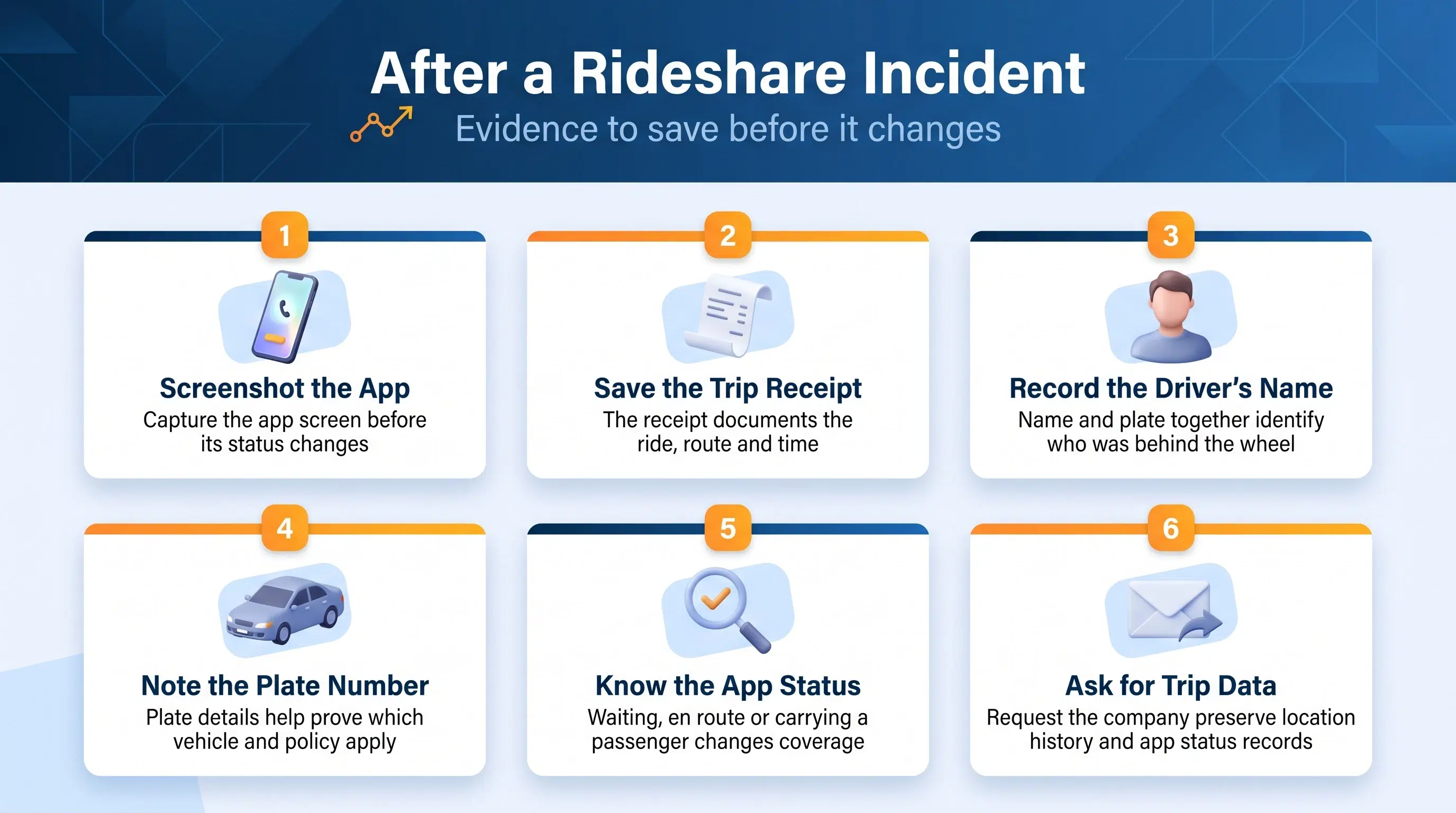
Rideshare cars and taxis pick up and drop off all day near the pier and downtown restaurants. Passengers get hurt when a driver stops abruptly, and pedestrians get hurt when a rideshare car pulls to the curb without looking. The driver’s coverage depends on the app status when the incident happened: waiting for a ride, on the way to a pickup or carrying a passenger.
Take screenshots of the trip receipt and the app before they change, and keep them with the driver’s name and plate number. Those details help us prove which policy applies.
Parked cars, opened doors and tight corners
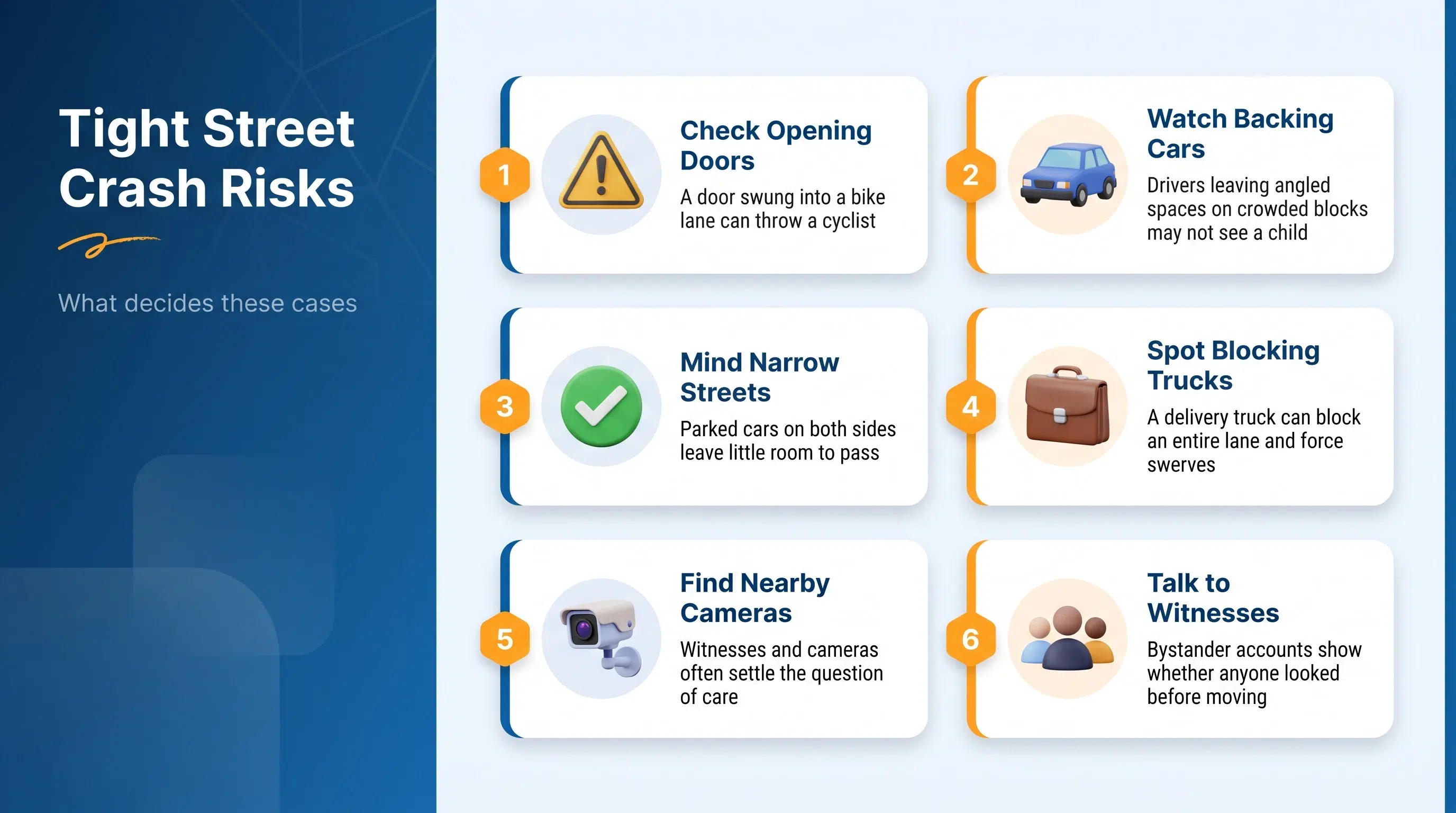
A cyclist who strikes a car door as it swings open can be thrown into traffic. A driver backing out of an angled space on a crowded block may not see a child on a scooter. On the narrower streets of the hill area, parked cars on both sides leave little room, and a delivery truck can block the whole lane.
In these cases the question is usually about care. Did the person opening the door look? Did the driver back up slowly with a spotter or camera? Witnesses and nearby cameras often decide it, so we canvass quickly.
Police report: Manhattan Beach Police Department
Manhattan Beach runs its own police department, headquartered at 420 15th Street. Officers handle most collisions on city streets, and the CHP handles freeways, which do not run through the city itself. Ask the officer for the report number at the scene.
A report is helpful, but it reflects what an officer could see and hear in a short time. If you disagree with a statement in it, tell us, since errors about who was moving and who was stopped are common and can be challenged.
Streets, curbs and the beach path: when a public agency is involved
Some hazards belong to the city. A cracked sidewalk, a poorly marked crossing or a gap in a guardrail can create liability for a public entity if it knew of the problem and did not fix it in time. The beach itself and the bike path may involve more than one agency, and sorting out who owns which stretch is part of our work.
The difference is time. A claim against a public entity in California generally must be presented in writing within six months under Government Code section 911.2, much sooner than the two years for most lawsuits. Miss it and you may lose the right to sue. If anything about your injury involved a public street, path or building, call us promptly.
Fault arguments in a town of tight streets
Because so many streets here are narrow and so many people are on foot, insurers lean on shared fault. They say a pedestrian crossed outside a crosswalk, a rider was not on the path, or a driver could not have seen a person stepping between parked cars.
California reduces an award by the injured person’s share of fault but does not bar it, so even a partly blamed pedestrian can recover. Our job is to keep that percentage as low as the evidence allows.
Higher policy limits and what that means for a claim
Some defendants in the South Bay carry more insurance than the state minimum, and some have umbrella policies that sit above their auto or homeowner coverage. That may help a seriously injured person, but you only find out by asking the right questions. An insurer may not volunteer the details early on, but once a lawsuit is filed we can demand the policies in discovery.
Larger limits also mean a more determined defense. Expect the insurer to challenge your medical treatment, bring in its own doctor and look at your history. We build the record to answer all three.
Medical care nearby, and the bills that follow
People injured in the South Bay may be treated at Providence Little Company of Mary Medical Center in Torrance, Torrance Memorial Medical Center or another hospital, depending on the severity of the injury and the ambulance’s destination. Each provider bills separately, and some bills turn into liens against your settlement.
The gross figure and the net figure are different. We negotiate with hospitals, ER groups and other lienholders at settlement so that more of the recovery reaches you.
Time limits, and where the case is filed
The general deadline for a personal injury lawsuit in California is two years from the date of injury, under Code of Civil Procedure section 335.1. A wrongful death claim by family members, or by the estate’s personal representative, follows the same two years and is governed by section 377.60 on who may sue.
A Manhattan Beach injury lawsuit is filed in Los Angeles County Superior Court. Which courthouse hears a case depends on the court’s filing rules at the time, so we confirm that before we file. Speak with our Los Angeles personal injury team or schedule a free consultation so someone can check your dates.
Which Manhattan Beach cases do we take?
Most of the Manhattan Beach cases we see begin on the road, whether the injured person was driving, riding or walking. Collisions on Sepulveda Boulevard, Manhattan Beach Boulevard and Rosecrans Avenue are handled by our Los Angeles County car accident lawyers. When a delivery truck or another commercial vehicle is involved, a carrier and its insurer enter the case, and our Los Angeles County truck accident team works it from the start.
When a crash or another person’s negligence takes a life, the family’s claim follows its own rules about who may bring it and what it can recover. Our Los Angeles County wrongful death lawyers handle those cases. We also take pedestrian, bicycle, e-bike, rideshare and premises injury cases from Manhattan Beach.