- What happened and why Dallas neighbors are paying attention
- What the data says about pedestrian danger in Dallas and Texas
- Where and when serious Dallas pedestrian crashes tend to happen
- Rights and possible liability after a Dallas pedestrian collision
- Insurance layers that may apply in a pedestrian injury or wrongful death
- Immediate steps to take after a severe pedestrian crash
- How to obtain official reports and records in Dallas County
- Safety solutions and ongoing initiatives that matter locally
- Community notes for the holidays and winter evenings in Dallas
- Why timely action matters now
- Commentary from Gosuits Dallas, Texas Personal Injury Attorney
What happened and why Dallas neighbors are paying attention
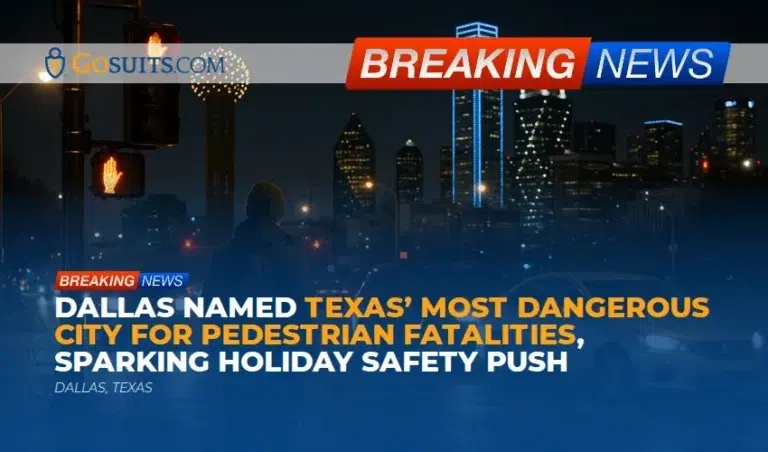
A Dallas city work group recently labeled Dallas the most dangerous city in Texas for pedestrian fatalities. That is a stark assessment for a community that walks the Katy Trail, crosses Knox Street for coffee and dinner, lingers on Greenville Avenue, or heads to the Dallas Arts District on foot. The timing resonates. Shorter winter days mean darker commutes, and holiday displays from Preston Hollow to Lakewood draw crowds and slow traffic. Locals feel the tension between vibrancy and vulnerability anytime people and fast traffic mix on multi-lane roads.
Photos of pedestrians crossing at the Katy Trail near Knox capture a familiar scene. Anyone who has waited at the crosswalk between Oak Lawn and Uptown knows drivers often rush to beat the next light cycle on Knox or McKinney. Similar patterns exist along major Dallas arterials that feed Central Expressway, I-35E, and the Dallas North Tollway. When speeds are high, even a momentary lapse can lead to a catastrophic outcome for someone on foot.
Understanding how and why these crashes happen can help families pursue answers, and it can help neighbors advocate for safer streets. Below, we summarize public safety data, outline practical steps for families, and share local resources for obtaining police reports, medical examiner records, and other documents that can clarify what happened.
What the data says about pedestrian danger in Dallas and Texas
National and statewide data confirm the broader concern. According to the National Highway Traffic Safety Administration, pedestrian fatalities have risen in recent years and remain among the most severe traffic outcomes. NHTSA notes that people on foot are at higher risk of death than occupants protected by a vehicle’s safety systems. See NHTSA’s overview of pedestrian safety here: NHTSA pedestrian safety.
Federal safety guidance also emphasizes a Safe System Approach. This approach recognizes that people make mistakes, roads should be designed to reduce the likelihood of fatal consequences, and speed management is critical. The Federal Highway Administration explains these principles and their practical application here: FHWA Safe System Approach.
In Texas, the state’s transportation agencies have repeatedly highlighted the ongoing severity of pedestrian crashes, alongside other vulnerable road user incidents that involve bicyclists and motorcyclists. While each year’s totals vary, state reporting underscores consistent risk factors, including higher vehicle speeds, dark conditions, limited pedestrian infrastructure, and multi-lane crossings. For statewide transportation safety material, visit Texas Department of Transportation.
Public health researchers echo these themes. The Centers for Disease Control and Prevention describes the burden of pedestrian injuries on families and communities and shares prevention strategies that align with roadway design, lighting, and speed management. See CDC’s overview here: CDC pedestrian safety.
Local conditions matter too. Dallas has a large network of high-speed arterials and wide intersections that connect neighborhoods to major highways. When those corridors intersect with busy sidewalks, trail crossings, schools, bus stops, or entertainment districts, the risk climbs. The city work group’s finding that Dallas currently faces the highest pedestrian fatality danger in Texas adds urgency to ongoing safety conversations at City Hall, within TxDOT’s district planning, and across neighborhood associations.
Where and when serious Dallas pedestrian crashes tend to happen
Corridors and neighborhoods Dallas residents talk about
Residents frequently mention several areas where walking feels risky, especially at night or during peak traffic. Examples include the Knox Street crossing of the Katy Trail, Lower Greenville near bars and restaurants, Downtown and Deep Ellum where nightlife brings heavy foot traffic, stretches of Northwest Highway and Mockingbird where speeds can be high, and portions of Oak Cliff and Bishop Arts where crosswalk spacing can be long. Families in Lake Highlands and Pleasant Grove worry about children walking to bus stops along multi-lane roads. These concerns do not mean every crash happens on those corridors, but they reflect the everyday experience of Dallas pedestrians.
Conditions that raise risk
- Vehicle speed. Even modest changes in impact speed dramatically affect survival odds for a person on foot. Managing speeds through design and enforcement is a cornerstone of FHWA’s Safe System Approach.
- Darkness and visibility. Many serious crashes occur at night or in the early morning. Poor lighting, dark clothing, and headlight glare can all limit driver detection of pedestrians.
- Multi-lane crossings. Wide roads with several lanes create longer exposure for people walking, especially if medians or pedestrian refuges are missing.
- Turning conflicts. Left and right turns at signalized intersections can surprise pedestrians who have the walk signal, particularly when drivers are focused on finding a traffic gap.
- Impaired or distracted driving. Alcohol, drugs, and phone use reduce reaction times and situational awareness.
- Limited crossing opportunities. Long blocks without controlled crossings often lead to midblock crossing, which can be dangerous when sightlines or speeds are unfavorable.
Holidays and winter evenings
During December and January, Dallas streets carry a unique mix of local shoppers, visitors, and families taking in seasonal displays. The viral home in Preston Hollow is one example where traffic can surge and drivers become distracted. Early sunsets mean more commuting in the dark, and wet roads are common with passing cold fronts. The combined effect is more conflict points and less visibility.
Rights and possible liability after a Dallas pedestrian collision
When a pedestrian is struck, the civil issues typically center on whether a driver or another party failed to use reasonable care. In some cases, more than one party may be responsible. Below are common pathways that personal injury law examines in Texas. This is general information only and not legal advice.
Potentially responsible parties
- A private driver. Failure to yield, speeding, distraction, or impairment are common allegations. Texas rules governing pedestrians and crosswalks are found in the Transportation Code, Subchapter A. You can read the statutes here: Texas Transportation Code Chapter 552.
- A commercial driver or company. If a delivery van, rideshare vehicle, or tractor trailer is involved, the employer’s policies and supervision may become relevant. Claims against commercial operators often involve complex insurance issues. This is where seasoned commercial truck accident attorneys and 18-wheeler accident lawyers assess trucking logs, telematics, and fleet safety practices.
- Vehicle owner or lessor. Ownership or leasing arrangements can affect insurance coverage or responsibility.
- Public entities. Very specific circumstances may involve roadway design or signal timing. Claims against a city or state are constrained by the Texas Tort Claims Act, which limits when and how a governmental unit may be sued. The statute is here: Texas Civil Practice and Remedies Code Chapter 101.
Comparative responsibility
Texas applies proportionate responsibility rules. Fault can be divided among multiple parties, and damage recovery may be reduced by a person’s assigned percentage of fault. The facts and the evidence drive this determination. Photographs, traffic camera footage, vehicle data, witness statements, and expert analysis can be decisive.
Wrongful death
When a pedestrian crash results in a fatality, Texas law allows certain family members to bring a wrongful death claim. These claims can involve funeral costs, loss of companionship, and other legally recognized harms. Families often seek guidance from wrongful death lawyers to understand timelines and what evidence is needed. Separate survival claims on behalf of the estate may also be possible depending on the facts.
Insurance layers that may apply in a pedestrian injury or wrongful death
- At-fault driver’s liability policy. This is often the primary source of coverage when a driver is responsible.
- Commercial policies. If a company vehicle is involved, there may be higher limits or multiple policies in play. Experienced truck accident lawyers and commercial vehicle accident lawyers often examine motor carrier filings, surplus lines policies, and umbrella coverage.
- Uninsured or underinsured motorist coverage. If the at-fault driver lacks insurance or has low limits, a pedestrian’s own auto policy may provide UM or UIM benefits, even if they were walking.
- Personal Injury Protection or MedPay. Texas PIP may cover medical costs and partial lost income regardless of fault, depending on the policy.
- Homeowners or renters policies. In rare situations, these may affect certain claims or subrogation issues.
A critical point about insurance communication. It is wise to consult an attorney before providing recorded statements or signing anything for an insurer. What is said to the insurance company can be used against the claimant later. Thoughtful timing and documentation matter.
Immediate steps to take after a severe pedestrian crash
- Ensure safety and medical care. Call 911. Move to safety if possible. Follow EMS guidance. Keep discharge and follow-up instructions.
- Document the scene. If able, capture photographs or video of the intersection, crosswalk, signals, debris, skid marks, and vehicle positions. Note lighting conditions and any obstructions.
- Identify witnesses. Names, numbers, and email addresses can be vital. Ask nearby businesses if they have exterior cameras pointed at the road.
- Preserve clothing and personal items. Do not wash clothing or discard damaged items. These can be valuable evidence of impact and trajectory.
- Request the incident number. Get the police report number from responding officers in Dallas or surrounding agencies.
- Consult a lawyer before insurance calls. Speak with personal injury lawyers or car accident lawyers first. They can guide communication and help protect rights from the start.
- Track expenses and symptoms. Keep receipts, mileage, and notes on pain, mobility, sleep, and work limitations. Medical journals can corroborate the course of recovery.
How to obtain official reports and records in Dallas County
Police crash reports
In Texas, the official CR‑3 crash report is filed to the state. Members of the public who qualify can purchase reports through the Texas Department of Transportation’s Crash Records systems. Begin at TxDOT and navigate to Crash Records and CR‑3 purchasing information. You will typically need the date of the crash, location, and involved party names. If Dallas Police Department investigated, your incident number will also help.
Medical Examiner and autopsy records
In Dallas County, autopsies are performed by the county’s medical examiner. Families can request information about reports and death investigations directly from that office. Some materials may be confidential under Texas law, while others may be releasable to next of kin. For broader state-level guidance about vital records in Texas, including certificates, see the Department of State Health Services here: Texas Vital Statistics.
Death certificates
Texas death certificates are obtained through the Texas Department of State Health Services or local offices. Processing times vary, and certified copies are generally required for insurance and estate matters. Start with Texas Vital Statistics: DSHS Vital Statistics.
911 audio, traffic cameras, and public records
Depending on the crash location, there may be 911 recordings, traffic signal logs, or nearby roadway cameras. Public access depends on the agency that holds the records and whether the materials are exempt. Requests are generally made under the Texas Public Information Act. For crashes on state-maintained roads, TxDOT may hold certain records. Agency websites provide instructions for submitting Public Information Act requests. You can begin with the state agency portal at TxDOT and follow links for public information requests.
Roadway hazard or signal complaints
For issues like broken pedestrian signals, missing signs, or poor lighting on state highways, submit a maintenance request to the appropriate state district office. Start at TxDOT and locate the Dallas District. For city streets, residents typically use 311 to report hazards within Dallas city limits.
Safety solutions and ongoing initiatives that matter locally
Improving pedestrian safety is not a single action, it is many coordinated moves. FHWA’s Safe System guidance suggests designing roads to reduce the chance of fatal outcomes, even when mistakes occur. Dallas corridors that combine high speeds with high pedestrian activity benefit from proven measures that reduce conflict points and slow traffic where it counts. Consider the following categories, which align with federal recommendations.
Lowering impact speeds where people walk
- Design-based calming. Narrower lane widths, raised crosswalks, curb extensions, and pedestrian refuge islands can slow vehicles without constant enforcement.
- Signal timing and phasing. Leading pedestrian intervals give walkers a head start before vehicles turn, improving visibility.
- High-visibility crosswalks and lighting. Better lighting and distinctive markings help drivers detect pedestrians earlier, especially at night.
Filling network gaps
- Crossing frequency. Adding controlled crossings at appropriate intervals reduces midblock risk.
- Trail and transit connections. Where the Katy Trail meets city streets, treatments like raised crossings or signals can harmonize traffic flow with heavy foot traffic.
- School and bus stop safety. Safe routes improvements near campuses in Lake Highlands, Oak Cliff, Pleasant Grove, and elsewhere are vital for children and caregivers.
Data-driven enforcement and education
- High-injury network targeting. Focused enforcement at locations with frequent severe crashes can be effective when paired with design improvements.
- Community campaigns. Messaging that reminds drivers to yield and slow down near entertainment districts and trail crossings can shift expectations.
State and national guidance
For broader context and technical detail, agencies point to the federal resources linked earlier. See FHWA’s Safe System resources at FHWA Safe System and NHTSA’s pedestrian safety overview at NHTSA. Public health strategies and injury prevention data are available from the CDC at CDC pedestrian safety.
Community notes for the holidays and winter evenings in Dallas
On a December evening, it can feel like the entire city is out. The Katy Trail is lively, Knox and Henderson are buzzing, Deep Ellum fills up, and folks drive slowly through neighborhoods to see the lights. A few practical reminders help lower the temperature on our streets during the busiest weeks of the year.
- Expect people everywhere. Assume pedestrians will appear near restaurants, trailheads, parks, and light displays. Leave more space and ease off the accelerator.
- Check the turn. Before turning right on red or left on green, look for someone in the crosswalk who may be starting to cross.
- Mind the glare. Holiday lights and wet pavement can hide silhouettes. Clean windshields, reduce speed, and scan carefully.
- Choose the crosswalk. Walkers should favor marked crossings and push the pedestrian button where available. Make eye contact with drivers.
- Visibility helps. Reflective accents on jackets or bags and small lights can make a big difference after sunset.
Above all, remember that families are walking with kids and grandparents, and many are unfamiliar with Dallas traffic patterns during holiday visits. Patience is a community safety tool.
Why timely action matters now
- Secure evidence before it disappears. Traffic camera footage, nearby business video, and vehicle telematics are often overwritten quickly. Early preservation requests can prevent permanent loss of critical proof.
- Protect the record. Medical documentation created close in time to the crash carries more weight. Immediate care and consistent follow-up strengthen the connection between injuries and the incident.
- Manage insurance communication. Insurers begin evaluating claims right away. Statements can be taken out of context. A thoughtful plan for communications helps avoid harmful admissions.
- Meet legal deadlines. Texas law sets specific statutes of limitation for injury and wrongful death claims. Certain notices to governmental entities have much shorter deadlines. Acting promptly preserves options.
- Plan for finances and care. Early clarity on insurance coverages and potential benefits can stabilize families and guide treatment choices.
The practical outcome of timely steps is better information, less stress, and a clearer path through a complex process. Early, organized action gives decision-makers the facts they need.

Commentary from Gosuits Dallas, Texas Personal Injury Attorney
Our hearts go out to the families affected by recent pedestrian tragedies in Dallas. This article is for education and general information. It is meant to help neighbors understand the landscape, find key records, and make informed choices after a loss or a serious injury.
In our view, labeling Dallas as the most dangerous city in Texas for pedestrian fatalities is a wake-up call that aligns with what many residents feel on the ground. Busy corridors near the Katy Trail, Knox Street, and nightlife districts bring people and fast traffic into close contact. When design, speed, lighting, and turning movements are not well aligned with how people actually move, severe crashes follow. Engineering changes, targeted enforcement, and community awareness can save lives, but change takes time and persistence.
In the aftermath of a pedestrian crash, insurance companies and corporate defendants often move quickly. They collect statements, analyze photos, and frame the narrative early. Without guidance, people can unintentionally diminish their own claims, underestimate future care needs, or miss additional layers of coverage like UM or UIM. Large companies have teams that handle incidents every day. Individuals do not, which creates an immediate imbalance of information and leverage.
A confidential, free consultation can help level that playing field. It allows a family to understand timelines, evidence needs, and realistic expectations before speaking with any insurer. It also helps clarify whether more specialized investigation is appropriate, such as downloading vehicle data, seeking nearby camera footage, or engaging reconstruction professionals. No one can rewind the clock, but informed decisions made early often change the outcome of a claim or case.
Additional legal perspective for Dallas neighbors
Different types of vehicles introduce different legal and insurance issues. For instance, collisions involving delivery vans and trucks near distribution corridors in the Design District or along I-35E may implicate commercial policies and federal motor carrier rules. That is why people sometimes seek help from truck collision lawyers, semi-truck accident attorneys, or big rig accident lawyers who routinely analyze logs, fleet policies, and telematics. Motorcyclists who are struck while walking a bike across a crosswalk or exiting a parking lot face their own complexities and may look to motorcycle accident lawyers for guidance. Pedestrians hit by passenger cars might consult auto accident attorneys or car wreck lawyers to understand fault, insurance limits, and medical billing pathways. In the most tragic situations, families often turn to fatal accident lawyers or family wrongful death lawyers for help with wrongful death and survival claims. These phrases reflect common search terms people use, but the underlying need is the same, a careful, compassionate review of facts and options.
Reliable resources cited
- NHTSA pedestrian safety overview
- FHWA Safe System Approach
- CDC pedestrian safety and public health context
- Texas Department of Transportation for statewide safety and crash records information
- Texas Transportation Code Chapter 552 pedestrian rules
- Texas Civil Practice and Remedies Code Chapter 101 Texas Tort Claims Act
- Texas DSHS Vital Statistics