- What We Know About AI-Driven Travel Scams Affecting North Texans
- How These Scams Work: What Makes AI-Enhanced Fraud So Convincing
- Beyond Lost Money: Real-World Safety Risks When Fraud Touches Travel
- Injury During Travel Arrangements: Potential Liability and Your Rights
- Who To Contact For Help and Official Records
- Key Records Texans May Need After a Serious Travel Incident
- Insurance Issues for Dallas Travelers: Practical Guidance and Cautions
- Practical Steps North Texans Can Take Now To Stay Safer
- Local Context: Dallas Travel Patterns, Spring Break, and Cross-Border Trips
- Why Acting Promptly Matters After a Scam-Related Injury
- Commentary from Gosuits Dallas, Texas Personal Injury Attorney
- References
What We Know About AI-Driven Travel Scams Affecting North Texans
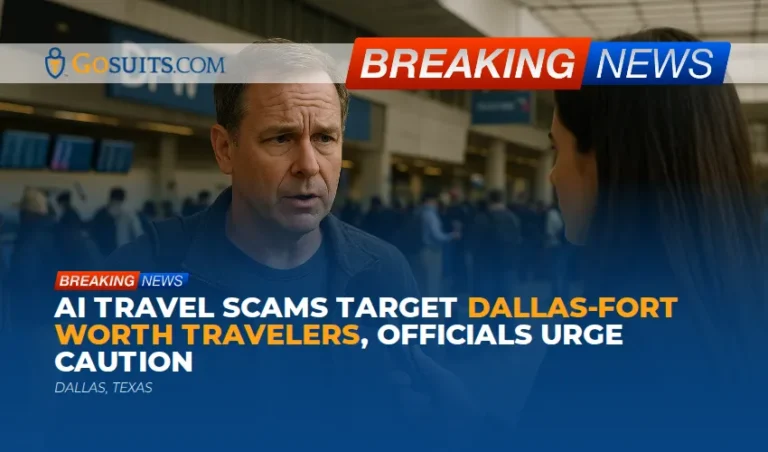
Families across Dallas know the routine: you line up a spring break rental near the beach, snag a bargain flight out of Dallas Love Field or DFW International, and book a shuttle to the hotel. Lately, though, more North Texans are running into a new kind of problem online. Sophisticated, AI-enabled travel scams are creating convincing fake listings, cloned airline or hotel websites, and even live chat agents that sound professional. That can lead to bogus reservations, stolen payments, and something far worse when the trip actually begins. Federal consumer protection agencies and cybersecurity officials have warned that today’s fraud rings use tools that generate realistic reviews, deepfake images, and polished customer support scripts, making fraud much harder to spot than it was just a few years ago [1] [3] [4].
Here in Dallas, this trend hits at a busy travel crossroads. We have two major airports, lots of weekend travelers heading to Mexico’s resorts, and year-round traffic for conventions and sports trips. In short, scammers have a large audience. Officials encourage travelers to report fraud promptly and use official channels before clicking any link or sharing payment details [2] [1].
How These Scams Work: What Makes AI-Enhanced Fraud So Convincing
Why are so many otherwise careful people getting fooled? The tools used by fraudsters now produce near-flawless grammar, instant responses in multiple languages, and images that look authentic. That creates a “halo effect” of legitimacy. A few common patterns authorities highlight include:
- Fake vacation rental or hotel listings that lift real photos from legitimate properties, add AI-written reviews, and undercut typical Dallas or destination prices to create urgency [1].
- Cloned airline or booking websites that mimic the exact look and layout of a known brand but route payments to criminals. Even the customer support number can be spoofed [4].
- Phishing emails and texts using AI to craft personalized travel “updates,” rebooking notices, or package deals that match your preferences with suspicious accuracy [4].
- Fake “concierge” or shuttle services that message you after a real booking, offering airport pickup or excursion deals and then disappear after payment.
- Deepfake chat or voice support that appears to solve your issue while steering you toward paying a bogus change fee or processing charge [3].
The net effect is more people paying upfront for a reservation that does not exist, or handing over private information that can be used to drain accounts or commit identity theft [4].
Beyond Lost Money: Real-World Safety Risks When Fraud Touches Travel
It is easy to think of a travel scam as “only” a financial loss. Unfortunately, when your arrival plan was built around a fake booking, the safety issues can escalate fast. Consider how this plays out in real life for Dallas families landing in Cancún, Puerto Vallarta, or Mexico City for a long-anticipated break. Late-night arrivals, luggage in hand, and a property that does not exist forces a scramble for lodging and rides in an unfamiliar area. That is where preventable injuries sometimes happen.
- Unlicensed transportation: Stranded travelers may accept rides from unvetted drivers, increasing risk of collision injuries, assaults, or theft.
- Unsafe last-minute lodging: In a rush, folks may end up in a building with broken locks, poor lighting, or hazardous conditions like loose railings or wet, unmarked floors.
- Risky excursions: Unscrupulous “tour operators” may lack proper safety equipment or trained staff, leading to boating, ATV, or zipline injuries.
U.S. officials encourage travelers to enroll in the Smart Traveler Enrollment Program (STEP) before leaving the country so the local U.S. embassy or consulate can reach you in an emergency or major disruption [5]. The State Department also publishes up-to-date travel advisories and guidance for Mexico’s states, which can help you plan safer routes and lodging [7].

Injury During Travel Arrangements: Potential Liability and Your Rights
When an injury happens that traces back to a fraudulent or unsafe booking, several civil law questions can arise. These vary based on specific facts and jurisdictions, but here are common themes our community asks about. This is general information for educational purposes, not a substitute for individualized guidance.
- Premises hazards at a property: If you are injured by a dangerous condition on a legitimate property you did book, responsibility may involve the owner or operator that failed to correct or warn about a hazard. Duty and notice rules differ by jurisdiction.
- Transportation crashes: Injuries involving shuttles, rideshares, or tour vehicles often turn on driver negligence and, in some cases, company policies about vetting, training, or maintenance.
- Excursion operators: Outfitters may owe duties to provide safe equipment, trained guides, and risk warnings. Liability can be complex if waivers are involved, especially outside the U.S.
- Booking platforms: If a platform failed to remove a known fraudulent listing or misrepresented safety assurances, legal theories may be evaluated. These cases are fact intensive.
Because early statements can be misinterpreted or taken out of context, it is usually prudent to speak with seasoned counsel before giving a recorded statement to any insurer. The right steps at the start can protect claims for medical bills, lost income, and other harms if negligence played a role. Many people search for personal injury lawyers at this stage to understand strategy and timelines.
Who To Contact For Help and Official Records
After a fraud-tinged travel disruption or injury, putting your arms around the right agencies and records helps restore order and protect your rights. Keep copies of every message, receipt, and screenshot. Then consider these channels.
- Report the fraud:
- Federal Trade Commission: File a report with the FTC so patterns get flagged and investigated [1].
- FBI Internet Crime Complaint Center (IC3): If the scam began online, submit details to IC3 [2].
- Texas Attorney General, Consumer Protection: Texans can also report deceptive practices and seek state-level guidance [8].
- If a crime or injury occurs abroad:
- U.S. State Department: Guidance for U.S. citizens who are victims of crime overseas, including how to contact the nearest embassy or consulate and locate medical care [6].
- Enroll in STEP to receive safety updates and help U.S. officials reach you during disruptions [5].
- If a death occurs abroad:
- U.S. State Department: Procedures for the death of a U.S. citizen abroad, including documentation and coordination with local officials [9].
- Health and safety information:
- Centers for Disease Control and Prevention: Destination-specific travel health and safety considerations help you prepare for emergencies and identify reputable medical facilities [10].
If a crash or injury occurred in Texas after your return, you can also request local law enforcement incident numbers and reports by contacting the police department or sheriff’s office that responded. When a serious injury or fatality is involved inside Texas, records can also include medical examiner or coroner documentation, depending on the county’s medical examiner system. For deaths abroad, the State Department can help guide families on documentation from foreign authorities [9].
Key Records Texans May Need After a Serious Travel Incident
Paper trails matter. Here are documents that commonly prove important in travel-related injury reviews.
- Reservation and payment evidence: Screenshots of listings, messages with hosts or agents, booking confirmations, and payment transaction logs.
- Transportation records: Emails or app logs for airport transfers, rideshares, shuttles, or tour vans. Track driver info, vehicle IDs, and pickup locations.
- Medical records: Emergency room notes, discharge papers, imaging, and physician summaries. If treated abroad, request English-language copies when possible.
- Police or incident reports: Reports from local or foreign authorities where the injury happened. Note agency names, report numbers, and lead officer contacts.
- Photographs and video: Capture scene hazards, lighting, signage, vehicle damage, and injuries. Timestamp where possible.
- Witness contacts: Names, phone numbers, and brief statements from bystanders or companions.
- Insurance communications: Save emails, claim numbers, and adjuster names for travel insurance, health insurance, auto insurance, and credit card benefits.
For Texans, state resources also offer consumer guidance on travel insurance and disputes if you purchased a policy before your trip [11].
Insurance Issues for Dallas Travelers: Practical Guidance and Cautions
Insurance can be a lifeline when a fraudulent booking cascades into unsafe conditions and injury. But it can be complicated. Several policies may interact:
- Travel insurance: Look for coverage terms on trip interruption, medical care, and medical evacuation. Review exclusions for fraud or non-authorized vendors and ask questions before you buy [11].
- Health insurance: Many plans have limited out-of-country benefits. Identify in-network or reimbursable options and any preauthorization requirements before traveling.
- Auto insurance and rentals: U.S. policies may not automatically apply if you drive abroad. In Mexico, local liability insurance is usually required by law. If you are staying stateside and renting, see this in-depth guide on What to do if you have an accident in a rental car.
- Credit card benefits: Some cards include trip delay, rental car collision damage waivers, or emergency assistance. Benefits vary widely.
Before contacting any insurer about a serious injury, consider consulting with Dallas personal injury lawyers to understand how best to present facts, what documents to gather, and how to avoid statements that might be taken out of context. What you say in early phone calls can be used to minimize a claim later.
If an adjuster asks for a recorded statement immediately after a traumatic event, it is reasonable to pause. A brief, accurate notice of the event and a request for written instructions can preserve your options while you review next steps with skilled counsel. Many people turn to personal injury lawyers in moments like this to help align the process with their long-term medical and financial needs.
Practical Steps North Texans Can Take Now To Stay Safer
Here are concrete, Dallas-ready steps to reduce risk before, during, and after booking:
- Verify lodging on multiple channels: Confirm the property on the brand’s official website and place a direct phone call using a number you find independently, not a link inside a message [1].
- Book through known platforms and beware of wire transfers: Use secure payment methods and avoid paying through gift cards, crypto, or wire unless you are certain of the recipient [1].
- Check web addresses carefully: Look for subtle misspellings in URLs or extra words. Type the address directly into your browser rather than clicking links [4].
- Enroll in STEP before international trips: Receive safety alerts, including for popular spring-break areas frequented by North Texans [5].
- Review the State Department’s Mexico advisory if you are headed to resort cities or border regions. Know which states have special cautions [7].
- Save emergency contacts offline: Keep the nearest U.S. embassy or consulate phone number and address on paper in case your phone dies or you lose connectivity [6].
- Confirm transportation safety: Prearrange hotel shuttles by calling the verified hotel front desk; confirm driver name and vehicle info upon arrival.
- Keep photos and records: Snap screenshots of listings, chat exchanges, and receipts. Fraud and injury investigations rely on this evidence [2].
Local Context: Dallas Travel Patterns, Spring Break, and Cross-Border Trips
Dallas travelers often depart late on Fridays from Love Field or DFW, arrive at night in busy tourist corridors, and shuttle directly to rentals. That timing is precisely when fraudulent bookings cause the greatest safety disruption. We have seen how a missing reservation or closed front desk sends families with kids back into unfamiliar streets to find lodging at midnight. That is not just stressful. It can be dangerous.
During spring break, Mexico-bound flights from DFW surge, and so do opportunistic scams that target students and families with limited budgets. If a deal looks far below typical rates in Cancun or Cabo, slow down. Call the U.S. hotel’s main line, ask them to confirm the reservation number, and request the local property’s front desk to verify your name and dates. A five-minute double-check can prevent a long night in an unfamiliar city.
Within the city, common-sense steps also matter. Avoid paying for airport rides through links sent by strangers in SMS or messaging apps. Use an app you installed yourself, verify the driver, and share your trip status with a trusted contact. Even when the focus is on preventing scams, basic physical safety on the ground is what protects families most.
Why Acting Promptly Matters After a Scam-Related Injury
The exact thing people should do is to carefully document what happened, preserve all communications, and promptly report the fraud to appropriate authorities while ensuring any injury is medically assessed and recorded. Then, evaluate potential civil claims and insurance options before giving detailed statements.
Acting quickly makes a difference because:
- Evidence disappears: Listings get taken down, chats auto-delete, and websites change. Screenshots and downloaded copies help establish what was represented and paid for.
- Memories fade: Short, dated notes from witnesses and travel companions carry more weight than recollections gathered months later.
- Medical causation is clearer: Early treatment records link injuries to the event, supporting both health decisions and potential claims.
- Deadlines run: Consumer complaints, insurance notice provisions, and civil filing windows each carry time limits. Missing one can reduce available options.
There is urgency here, but it is about protecting health, ensuring accurate reporting, and positioning any civil claim on solid ground. It is appropriate to learn the process first, because what is said to an insurer early on can be used later in ways people do not expect. Getting oriented with reliable information and guidance at the outset often leads to more orderly and less stressful outcomes.
Commentary from Gosuits Dallas, Texas Personal Injury Attorney
Our hearts go out to every Dallas family whose long-planned trip was upended by a convincing online listing or a too-good-to-be-true message. We have seen how a fake reservation can cascade into unsafe last-minute choices and serious injuries. This article is meant to offer general information so people understand risks, reporting options, and the practical steps that protect them.
From our vantage point working with injured people, AI-boosted scams are not just a consumer annoyance. They can create circumstances where safety breaks down: unvetted rides in unfamiliar cities, poor lighting and security at emergency lodgings, or underqualified excursion operators. When negligence contributes to an injury in those settings, the civil accountability questions are real and should be thoughtfully evaluated.
We also see how insurance companies and large corporations sometimes leverage people’s lack of familiarity with the process. Early, casual statements become “admissions.” Requests for broad authorizations pull in unrelated medical details. Low initial offers are presented as standard. That is why many in our community choose to speak with seasoned counsel before making recorded statements or signing anything.
A free consultation can be an important step to understand rights, timelines, and documentation without pressure. It is not about promising any outcome. It is about clarity, options, and a strategy that keeps your health and long-term stability front and center.
References
- How To Avoid Travel Scams – Federal Trade Commission
- FBI Internet Crime Complaint Center (IC3) – File a Complaint
- Deepfakes and Synthetic Media – Cybersecurity and Infrastructure Security Agency
- Scams and Fraud – USA.gov
- Smart Traveler Enrollment Program (STEP) – U.S. Department of State
- U.S. Citizens Victims of Crime Overseas – U.S. Department of State
- Mexico Travel Advisory – U.S. Department of State
- File a Consumer Complaint – Office of the Texas Attorney General
- Death of a U.S. Citizen Abroad – U.S. Department of State
- Mexico: Traveler View – Centers for Disease Control and Prevention
- Travel Insurance: What It Covers and Tips – Texas Department of Insurance