-
- What Happened on I-55 Near the Clear Lake Exit
- Local Context: The I-55 Corridor by Clear Lake Avenue in Springfield
- Official Records Families Commonly Need and How to Request Them
- Why the Cause May Be Unclear at First in Multi-Vehicle Crashes
- Illinois Civil Law After a Fatal Crash
- Insurance Issues That Often Arise After Multi-Vehicle Collisions
- Practical Steps to Preserve Evidence Right Away
- Seasonal Safety Considerations on I-55 Near Springfield
- Where Families Can Turn for Information and Support
- When the Vehicle Carrying the Child Might Not Be at Fault
- Key Timeframes and Deadlines in Illinois
- How Multi-Vehicle Interstate Collisions Are Investigated
- Thoughtful Guidance About Media and Social Sharing
- Why Taking Steps Now Matters
- Commentary from Gosuits Springfield, Illinois Personal Injury Attorney
What Happened on I-55 Near the Clear Lake Exit
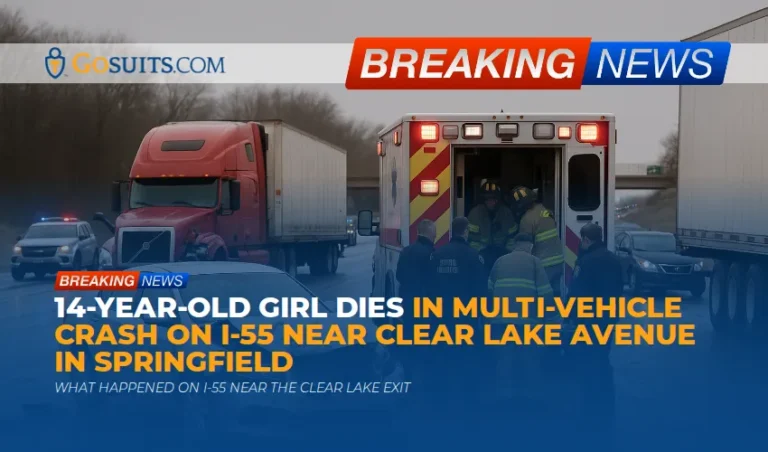
Officials reported a tragic multi-vehicle crash on southbound Interstate 55 near the Clear Lake Avenue exit in Sangamon County, just outside Springfield, late Saturday morning. Illinois State Police responded around 10:30 a.m. According to the Sangamon County Coroner’s Office, a 14-year-old girl from Chicago, riding as a passenger in one of the vehicles, died in the collision.
Her name was not immediately released, and the southbound lanes of I-55 were shut down for several hours. The exact cause remains under investigation by Illinois State Police and the Sangamon County Coroner’s Office. Further details were not immediately available.
When an event like this happens on a major corridor, it affects more than traffic. Families in Chicago and Springfield feel the same shock and hurt. Many in our community drive this stretch routinely for work, games at the fairgrounds, or to visit loved ones. Hearing a child was lost here is devastating.
Local Context: The I-55 Corridor by Clear Lake Avenue in Springfield
Southbound I-55 near the Clear Lake Avenue exit sits along Springfield’s busy east side, not far from the Illinois State Fairgrounds, the Illinois State Police District hub, and the historic downtown anchored by the Abraham Lincoln Presidential Library and Museum.
On weekends, traffic can be a mix of local errands, long-haul trips between Chicago and St. Louis, and visitors heading to Lincoln sites or holiday events. Even a brief slowdown or sudden brake can ripple through multiple lanes.
Local drivers know that the Clear Lake exit area can get tight during heavier periods. Merge points, lane changes, and short reaction times on a 70 mph interstate add complexity. In winter, glare off a low sun angle, patchy black ice, or quick changes in visibility can compound risk.
None of those factors explain this specific crash yet — investigators will sort that out — but the location is important context for families trying to understand how multi-vehicle collisions can unfold so suddenly on this stretch of road.
Official Records Families Commonly Need and How to Request Them
In the first days after a fatal crash, families are often asked for documents they may have never dealt with before. Below are common records and where to start. Procedures and availability can vary by agency, so it helps to check each office’s current process before going in person.
Illinois State Police crash report
- What it is: The official crash report created by the investigating agency. It documents the basics of the incident, vehicles involved, and preliminary observations.
- Where to request: Illinois State Police maintains guidance for obtaining crash reports. Start at the ISP crash reports page: Illinois State Police Crash Reports.
- District information: This crash occurred near Springfield, which is served by the ISP District covering the area around the capital region. You can locate the correct district here: Illinois State Police Districts and follow any district-specific instructions if needed.
- Tip: Have the date, approximate time, location (southbound I-55 near the Clear Lake Avenue exit), and names of known drivers if available. If a report is still “under investigation,” ask when it may be released.
Sangamon County Coroner’s Office: autopsy and coroner records
- What it is: In fatal traffic crashes, the coroner’s office determines cause and manner of death and manages next-of-kin notifications. Autopsy reports and related records may be obtainable depending on the status of the investigation and applicable laws.
- Where to start: Visit Sangamon County’s official website and navigate to the Coroner’s Office for contact details, office hours, and request procedures: Sangamon County Government.
- Tip: Ask which forms are required, any fees, and expected processing times. If there is an ongoing investigation, certain records might be delayed until completion.
Death certificates
- What it is: A certified death certificate is often required to manage estate matters and certain insurance claims.
- Where to request: The Illinois Department of Public Health provides guidance on requesting death records: Illinois Department of Public Health: Vital Records. Local county offices may also issue certified copies; confirm on the Sangamon County site.

Freedom of Information Act (FOIA) requests
- What it is: FOIA allows the public to request certain government records. Not all investigative records are immediately available, and some may be redacted.
- Where to learn more: The Illinois Attorney General’s office provides a public-facing guide to FOIA: Illinois Attorney General: FOIA.
- Tip: If you plan to make insurance claims, consider speaking with an attorney first. Requests can be targeted to avoid unnecessary delays and to protect a potential civil claim strategy.
Why the Cause May Be Unclear at First in Multi-Vehicle Crashes
When multiple vehicles are involved, early reports almost always leave important questions unanswered. That’s not unusual. Investigators take time to gather and verify evidence from many sources, including:
- Physical evidence on the roadway: Tire marks, debris patterns, and final resting positions can reveal vehicle dynamics, but only after careful reconstruction.
- Event Data Recorder (EDR) information: Many vehicles record pre-crash speed, braking, and throttle inputs. The National Highway Traffic Safety Administration describes EDR data and its use here: NHTSA: Event Data Recorder.
- Weather and lighting: December driving in central Illinois can involve low sun angles, wet pavement, or freezing conditions. That doesn’t determine fault by itself, but it’s part of the analysis.
- Witness statements and dash cams: Accounts from involved drivers and third parties can differ. Video, when available, helps clarify timing and spacing.
- Commercial vehicle records (if any were involved): Data from telematics, GPS, or electronic logging devices can be relevant in some cases.
The bottom line: it’s normal for families to feel stuck waiting for answers. Careful reconstruction work takes time, and it’s meant to get to the truth rather than rush to a conclusion.
Illinois Civil Law After a Fatal Crash
Illinois law recognizes two closely related paths for civil claims after a fatal motor-vehicle incident. While every case is different, it’s helpful to understand the general framework and the kinds of losses the law allows a jury to consider.
Wrongful Death Act
- Statute: The Illinois Wrongful Death Act is at 740 ILCS 180.
- Who brings the claim: Typically the personal representative of the decedent’s estate brings the action for the benefit of the next of kin.
- Damages: The Act allows recovery for “pecuniary injuries,” and in Illinois that includes grief, sorrow, and mental suffering of the next of kin. See 740 ILCS 180/2 at the link above.
- Time limit: Generally, a wrongful death action must be filed within two years of the date of death, subject to exceptions stated in the statute.
Survival Act
- Statute: The Illinois Survival Act is at 755 ILCS 5/27-6.
- What it covers: Allows the decedent’s estate to pursue certain claims the person could have brought had they survived, such as conscious pain and suffering prior to death and certain medical expenses.
Comparative negligence
- Statute: Illinois follows a modified comparative negligence system, codified at 735 ILCS 5/2-1116.
- How it works: A claimant’s recovery can be reduced by their percentage of fault. If a claimant is more than 50 percent at fault, recovery is barred. In multi-vehicle crashes, fault may be allocated among several drivers and entities.
Because multiple legal theories can overlap, families often pursue both Wrongful Death and Survival claims in the same civil case. An attorney can help evaluate which damages may apply based on the evidence and the family’s circumstances.

Insurance Issues That Often Arise After Multi-Vehicle Collisions
Insurance can be a maze after a chain-reaction crash. Policies, limits, and coverage types matter, especially when several vehicles are involved.
- Multiple policies and limited coverage: When several drivers share fault, liability limits can be spread thin. This can trigger claims for underinsured motorist (UIM) coverage on the vehicle the child was riding in or on policies held by household family members.
- Recorded statements: Insurers may quickly ask for recorded statements. Consider speaking with a lawyer before giving any statement. What someone says early on can be used against them later, even if it was said in confusion or grief.
- Medical expense liens and subrogation: Health insurers or programs may assert rights to reimbursement from a settlement. Navigating those issues correctly can materially affect net recovery.
- Property damage vs. injury claims: Auto carriers often move quickly to resolve total loss claims for vehicles, while injury or wrongful death claims take longer due to their complexity and the need for complete investigation.
If anyone is considering a claim, it’s prudent to consult with an attorney first before contacting the insurance company. An initial discussion can clarify rights, timelines, and what to expect — and help avoid missteps in early conversations with adjusters.
Practical Steps to Preserve Evidence Right Away
Evidence from a highway crash can change or disappear quickly. Being deliberate early helps ensure critical facts aren’t lost.
- Preserve vehicle data and parts: Ask that the involved vehicles not be destroyed or altered. An attorney can send preservation notices requesting that Event Data Recorder information and critical components be maintained for inspection.
- Collect photos and video: If safe and available, save any images from the scene, vehicle interiors, and exterior damage. Nearby businesses along Clear Lake Avenue or at service stations sometimes have exterior cameras that incidentally catch portions of the interstate.
- Identify witnesses: Names, phone numbers, and short descriptions of what they saw are valuable. Even a driver who left a brief note with a trooper might be reachable later if their information is captured in the report.
- Save digital records: Keep relevant texts, ride-share logs, location history, and dash-cam files. Back them up to multiple locations.
- Document weather and roadway conditions: Note the lighting, temperature, precipitation, and any observed roadway hazards at the time. Public weather archives can later corroborate these observations.
Seasonal Safety Considerations on I-55 Near Springfield
December driving in central Illinois introduces several known risks. Not as a commentary on this crash — investigators will make that call — but as general awareness for families who use this corridor daily:
- Black ice and spot glazing: Bridges and overpasses can freeze first, especially overnight and in shaded stretches.
- Low sun angle: Around late morning, glare can be fierce on east-west connectors like Clear Lake Avenue and can impact visibility for merge lanes and ramps near the interstate.
- Sudden slowdowns: Minor incidents, a stalled vehicle, or lane closures can cause abrupt braking. Leave extra space, especially where ramps meet mainline traffic.
- Winter readiness: The National Highway Traffic Safety Administration maintains winter driving guidance, including vehicle checks and cold-weather tips: NHTSA: Winter Driving Safety.
Local drivers know the rhythm of Springfield’s traffic, from State Capitol sessions to weekend events at the fairgrounds. As seasons shift, those rhythms change too. Being ready for quick transitions helps everyone get home safely.
Where Families Can Turn for Information and Support
Families often juggle grief with logistics. The resources below can help with information, updates, and essential documents.
- Illinois State Police (ISP): For the official crash report, contact ISP via the statewide crash reports page at isp.illinois.gov/CrashReports. For district contact information, see isp.illinois.gov/Districts and locate the Springfield-area district.
- Sangamon County Coroner’s Office: Visit the county’s site at sangamonil.gov and navigate to the Coroner’s Office for procedures on autopsy reports and related records. Staff can explain what’s available and when.
- Illinois Department of Public Health (IDPH) Vital Records: For guidance on death certificates and certified copies, start with dph.illinois.gov.
- FOIA information: For questions about requesting public records, the Illinois Attorney General provides FOIA resources at illinoisattorneygeneral.gov/foia.
Many families also find it helpful to appoint a single point of contact to communicate with agencies. It minimizes repeated, painful retellings and keeps information organized.
When the Vehicle Carrying the Child Might Not Be at Fault
Multi-vehicle collisions can involve several contributing factors and parties. A few common civil liability scenarios include:
- Chain reactions from an initial negligent act: A sudden unsafe lane change, distracted driving, or following too closely by one driver can trigger impacts several vehicles later. Liability can extend beyond the first impact.
- Commercial vehicle involvement: If a commercial truck or van was part of the crash sequence, additional layers of responsibility may include the company’s policies, maintenance practices, or driver scheduling. Evidence from telematics and logs can matter.
- Roadway hazards: Debris in the roadway or sudden obstructions may point to different liability paths, depending on origin and notice. Claims involving public entities have different timelines and defenses in Illinois, so it’s important to evaluate these quickly.
- Underinsured drivers: Even if fault is clear, low policy limits may not cover losses. That’s when underinsured motorist claims are evaluated on applicable policies.
Assigning fault in these settings is fact-specific. Early preservation of vehicles, data, and witness accounts can make a decisive difference in understanding what really happened on I-55 near Clear Lake.
Key Timeframes and Deadlines in Illinois
Illinois sets deadlines for bringing civil claims. Missing a deadline can end a claim before it starts. While this isn’t comprehensive, these are commonly relevant to fatal crash cases:
- Wrongful Death: Generally two years from the date of death, per 740 ILCS 180, subject to statutory exceptions.
- Survival claims: Often governed by the same or similar limitation periods as the underlying personal injury claim, with the Survival Act at 755 ILCS 5/27-6.
- Claims against local public entities: Many claims must be brought within one year under the Local Governmental and Governmental Employees Tort Immunity Act, see 745 ILCS 10/8-101. This is a shorter timeline than the general rule and can apply in certain roadway or public-entity contexts.
If any claim is contemplated, it’s wise to speak with an attorney promptly so those deadlines are identified and protected.
How Multi-Vehicle Interstate Collisions Are Investigated
Families often want to know what investigators do after they leave the scene. In Illinois, a thorough investigation may include:
- Scene mapping: Using total stations, drones, or other technologies to measure distances, angles, and impacts for later reconstruction.
- Vehicle inspections: Checking for braking, lighting, tire condition, and mechanical defects. If a vehicle’s EDR is accessible, trained personnel may download it following chain-of-custody protocols. See NHTSA background on EDRs: NHTSA EDR resources.
- Interviews and corroboration: Statements from drivers and witnesses are compared against the physical evidence.
- Review of traffic operations: Investigators consider whether ramp geometry, temporary lane closures, or traffic control devices played a role, and whether any work zones were active.
- Toxicology and medical findings: The coroner’s office addresses cause and manner of death and may conduct toxicology; these records help clarify timelines and mechanism of injury.
This work can take weeks or more. Patience is hard in grief, but thoroughness is essential to accuracy.
Thoughtful Guidance About Media and Social Sharing
News reports and social posts can move faster than official updates. Consider these protective steps:
- Rely on official updates: Illinois State Police and the Sangamon County Coroner’s Office will release verified information when appropriate.
- Limit speculation online: Well-meaning comments can be misinterpreted or quoted out of context. Those posts sometimes reappear during civil claims.
- Centralize communication: Designate one family member to speak with agencies or handle press inquiries. That member can keep everyone else informed.
Why Taking Steps Now Matters
What should be done
- Secure key records promptly: Start the process for the Illinois State Police crash report and inquire with the Sangamon County Coroner’s Office about the status of coroner records and timelines.
- Preserve vehicles and data: Ensure involved vehicles aren’t destroyed or altered. Event Data Recorder information and physical inspections can be vital.
- Organize documents: Collect insurance policies, medical records, and any photographs or messages related to the crash.
- Consult before contacting insurers: Speak with an attorney first. Early statements to insurance adjusters can be used later and sometimes create hurdles that could have been avoided.

Why acting now helps
- Evidence fades: Roadway markings wash away, cameras overwrite video, and vehicles get scrapped. Prompt action preserves what can’t be recreated.
- Deadlines are strict: Illinois civil statutes limit the time to bring claims, and some claims against public entities have shorter windows.
- Insurance coordination: With multiple drivers and policies, sorting coverage early can prevent missed opportunities and help avoid later disputes about notice.
When and where it matters
- Right after the crash: The first two to four weeks are critical for evidence preservation and understanding which agencies hold which records.
- At the scene’s community context: For collisions near Springfield’s Clear Lake corridor, nearby businesses or public cameras may have retained footage. The sooner requests go out, the better the chance of retrieval.
- Before insurer contact: A short, informed consultation can clarify rights and prevent avoidable missteps with insurers and third-party investigators.
Commentary from Gosuits Springfield, Illinois Personal Injury Attorney
Our hearts are with the family, friends, and classmates grieving the loss of a 14-year-old after this multi-vehicle crash on I-55 by the Clear Lake exit. No words can fill that space. The thoughts here are for educational purposes and general information; they aren’t a substitute for speaking directly with counsel about the specific facts.
From a civil perspective, multi-vehicle interstate crashes are among the most complex events we see. They often begin with a single negligent act — a sudden lane change, following too closely, distraction — and cascade quickly. Assigning responsibility is rarely straightforward on day one.
That’s precisely why preserving evidence matters: vehicle data, scene mapping, and witness accounts can clarify the sequence and illuminate where the law places responsibility.
Insurance companies and large corporate carriers understand this complexity well. They also know that families are in shock, juggling arrangements and grief. It isn’t uncommon for adjusters to ask for statements or medical authorizations early, when critical facts aren’t known.
Those conversations can shape the narrative in ways that don’t reflect the full truth once all evidence is collected. Corporations and insurers may rely on that gap in knowledge, pushing quick resolutions or interpretations that minimize their exposure.
An early, no-cost consultation can level the playing field. It helps people understand which records to request, which communications to avoid, and how to protect their rights under the Illinois Wrongful Death and Survival frameworks while investigators do their work. Even a short conversation can prevent unintentional missteps that might limit options later.
To everyone traveling the I-55 corridor through Springfield, please take care. And to the family touched by this loss, the community stands with you in support and compassion.