












































What kinds of injury cases do we handle in Texas?
A Texas personal injury claim asks the person or company that caused your injury to pay for the harm. Most are negligence claims, meaning someone failed to use ordinary care. Some rest on other duties, such as a product maker’s responsibility for a defective design or a bar’s responsibility for over-serving an obviously intoxicated customer.
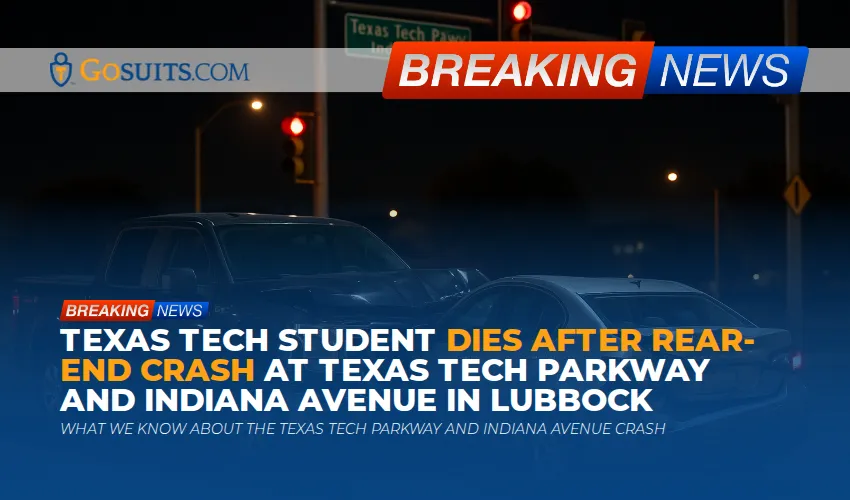
Car wrecks are the largest share of our caseload, and our Texas car accident lawyers handle everything from rear-end collisions in rush-hour traffic to rollovers on rural highways. Commercial vehicles are a close second. Our Texas 18-wheeler and truck crash team deals with carriers, brokers, and federal safety rules. Riders hurt by drivers who never looked are represented by our motorcycle accident attorneys in Texas, and families hit by a drunk driver can work with our Texas drunk driving injury lawyers, who also look at whether a bar or restaurant shares the blame.
Off the road, we handle:
- Falls from scaffolds, trench collapses, and equipment injuries on job sites, through our Texas construction accident practice
- Warehouse, plant, and delivery injuries, including claims against non-subscriber employers, handled by our Texas workplace injury lawyers
- Injuries caused by defective products in Texas, from failed airbags to tire separations
- Falls on unsafe property, dog attacks, and pedestrian injuries
- Fatal crashes and incidents, where our Texas wrongful death attorneys represent the surviving family
Our office is in Carrollton, and most of our clients live in Dallas-Fort Worth. If you were hurt in the Metroplex, you will likely work directly with our Dallas personal injury and accident lawyers.
Texas roads where serious wrecks keep happening
According to TxDOT, Texas has not had a single day without a traffic death since November 7, 2000. The state’s size is part of the reason. So is the mix of dense metro freeways and long rural highways where speeds run high.
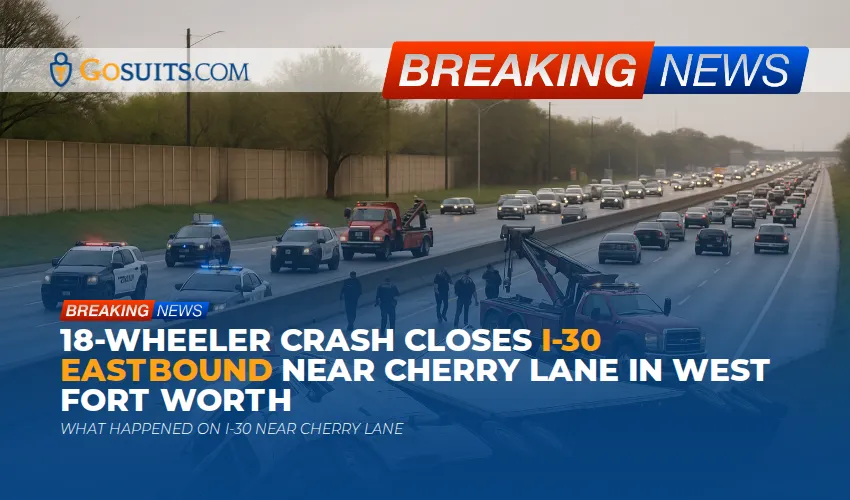
In Dallas-Fort Worth, the I-635 LBJ Freeway and the High Five interchange where it meets US-75 produce constant lane-change and merge collisions. I-35E north through Carrollton and Lewisville and I-30 between Dallas and Fort Worth carry heavy commuter traffic and freight at the same time. The Dallas North Tollway, the President George Bush Turnpike, and SH-121 add high-speed rear-end crashes at toll plazas and exits.
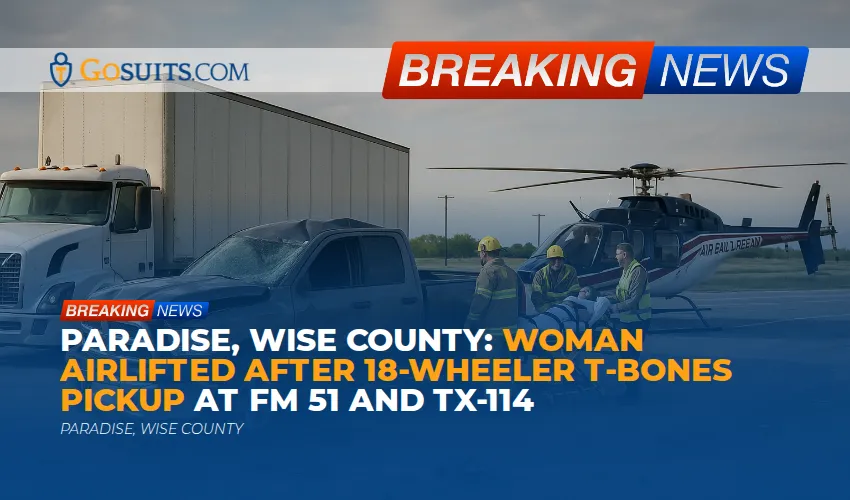
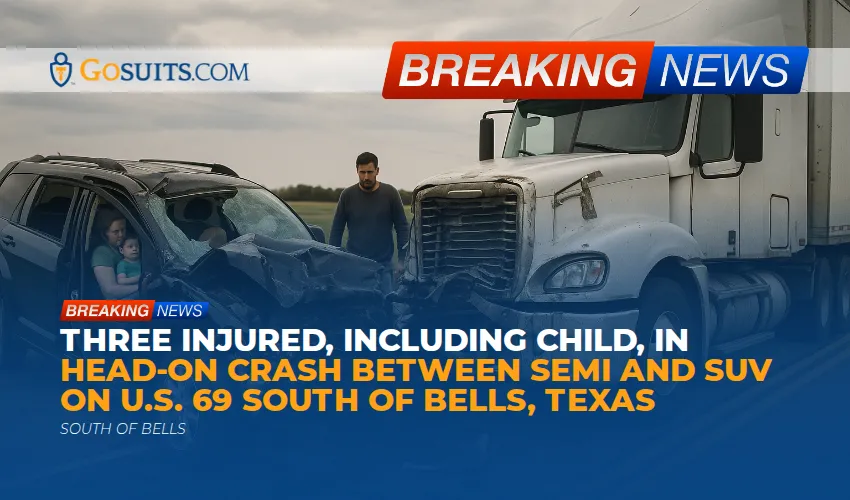
Truck traffic is a story of its own. I-35 is the main north-south freight route between Mexico and the rest of the country. I-45 links Dallas and Houston, and I-20 runs west into the Permian Basin, where oilfield trucks, water haulers, and sand haulers share two-lane roads with local drivers. A wreck with one of those trucks usually involves a commercial carrier and federal hours-of-service and maintenance rules, and sometimes a broker or the company that loaded the trailer.
Houston, San Antonio, and Austin each have their own trouble spots, from the I-610 loop to the I-35 corridor through central Austin. The legal rules are the same statewide. The local facts are not, which is why we start every case at the scene.
How long do you have to file a personal injury lawsuit in Texas?
For most injury claims, two years from the date of the injury, under Civil Practice and Remedies Code section 16.003. Miss it and the claim is usually gone.
Several situations change the timing:
- Claims against a government unit. Under the Texas Tort Claims Act, Civil Practice and Remedies Code section 101.101, written notice generally must reach the city, county, or state agency within six months of the incident. Many city charters set an even shorter notice period, and the Act limits what can be recovered from a government unit.
- Injured children. Under section 16.001, the two-year period generally does not start until the child turns 18.
- Wrongful death. The two-year period generally runs from the date of death.
- Injuries not discovered right away. Texas applies the discovery rule narrowly. Do not count on it extending your deadline.
Property damage claims also have a two-year limit. The deadline that matters more in practice is how fast the evidence disappears.
How fault is divided under Texas law
Texas uses a modified comparative fault system called proportionate responsibility, found in Chapter 33 of the Civil Practice and Remedies Code. The jury assigns a percentage of responsibility to everyone involved, including you. Your damages are reduced by your percentage. If you are found more than 50 percent responsible, you recover nothing.
That 51 percent line is why insurers fight so hard over speed, phone use, and following distance. A driver found 40 percent at fault recovers 60 percent of their damages. The same driver found 51 percent at fault recovers zero. Our guide to the Texas 51 percent bar rule walks through how that plays out in real claims.
Fault also decides who pays. Under section 33.013, a defendant is jointly and severally liable for all of the damages only if the jury finds that defendant more than 50 percent responsible. Otherwise each defendant pays only its share. If a large carrier is found 45 percent at fault and an uninsured driver 55 percent, collecting the full award gets much harder, which is why we build the case against every responsible party from the start.
What compensation can you recover in Texas?
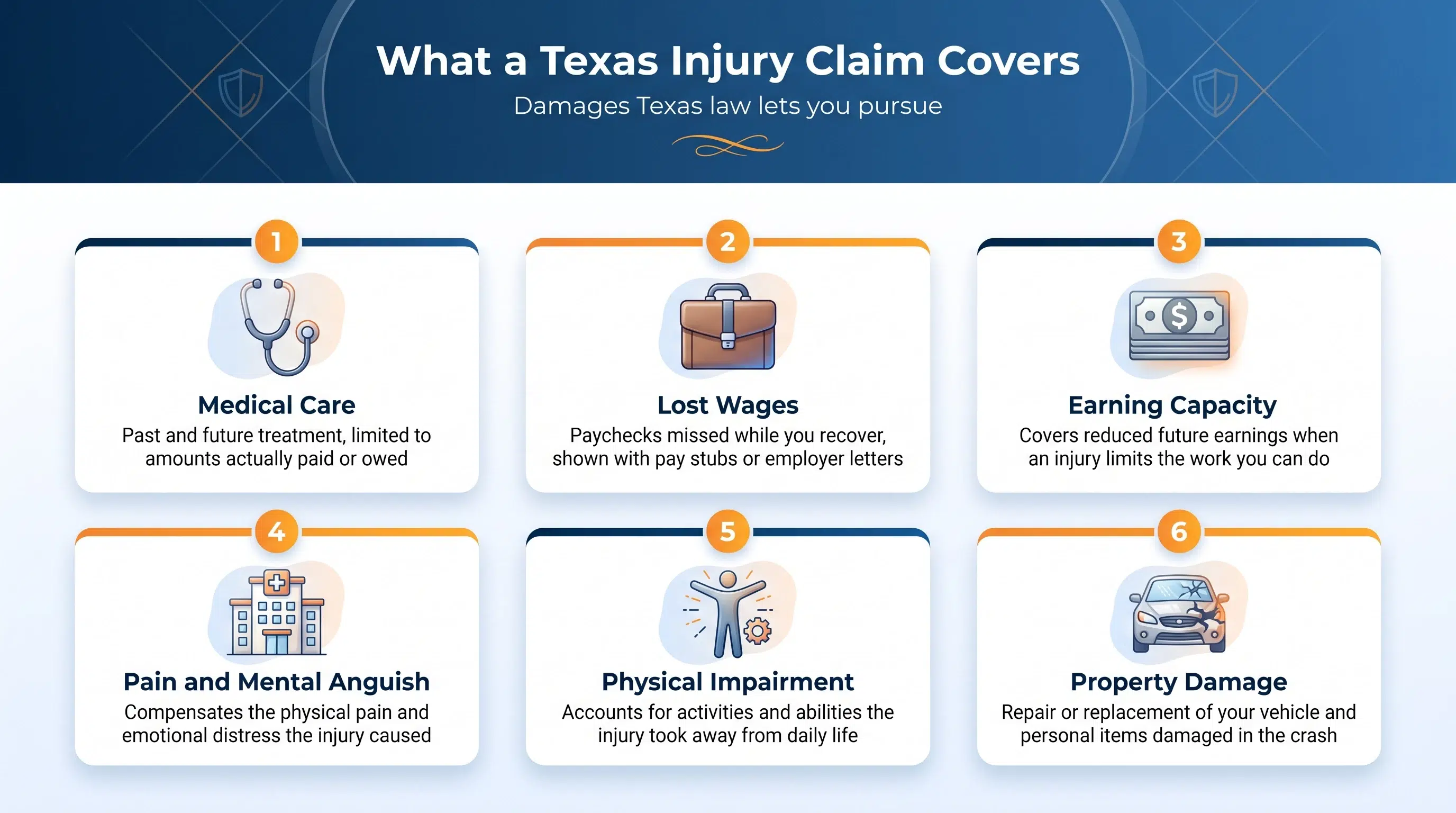
Texas lets an injured person recover economic damages, such as past and future medical care, lost wages, lost earning capacity, and property damage, and non-economic damages, such as physical pain, mental anguish, physical impairment, and disfigurement. A spouse may have a separate claim for loss of consortium.
Some Texas rules shape the final number:
- Medical bills are limited to what was paid or incurred. Under section 41.0105, recovery of medical expenses is limited to the amount actually paid or owed, not the full sticker price a hospital bills.
- Medical bills can be proven by affidavit. Section 18.001 lets a provider’s affidavit establish that charges were reasonable and necessary, and the defense must serve a counter-affidavit to dispute them. The deadlines on both sides are strict.
- Exemplary damages are capped and hard to get. Under Chapter 41, punitive damages require clear and convincing evidence of fraud, malice, or gross negligence, and section 41.008 caps them in most cases.
- Seatbelt use can come up. Since 2015, Texas juries may hear evidence that an injured person was not wearing a seatbelt when deciding fault.
The gross settlement is not what you take home. Hospitals in Texas can file liens under Chapter 55 of the Property Code, and health plans, ER physician groups, and doctors who treated on a letter of protection all expect payment from the recovery. At settlement we negotiate those balances down so more of the money reaches you.
Texas rules that come up in specific cases
Injuries at work and non-subscriber employers
Texas is the only state where most private employers can choose not to carry workers’ compensation. If your employer is a non-subscriber, you can sue it directly for negligence, and under Labor Code section 406.033 it loses defenses such as arguing that you or a coworker were partly to blame. If your employer does carry coverage, workers’ comp is usually your only remedy against it, but a negligent driver, subcontractor, or equipment maker can still be sued separately.
Drunk driving and bars
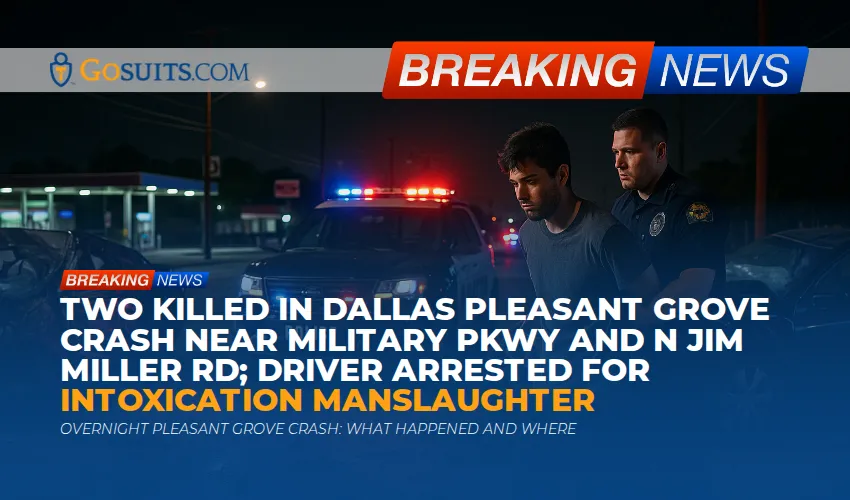
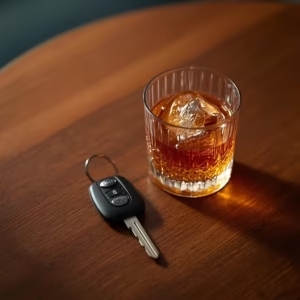
The Texas Dram Shop Act, Alcoholic Beverage Code section 2.02, allows a claim against a bar or restaurant that served someone who was obviously intoxicated and presented a clear danger. That can add a second, better-insured defendant to a drunk driving case.
Rideshare crashes
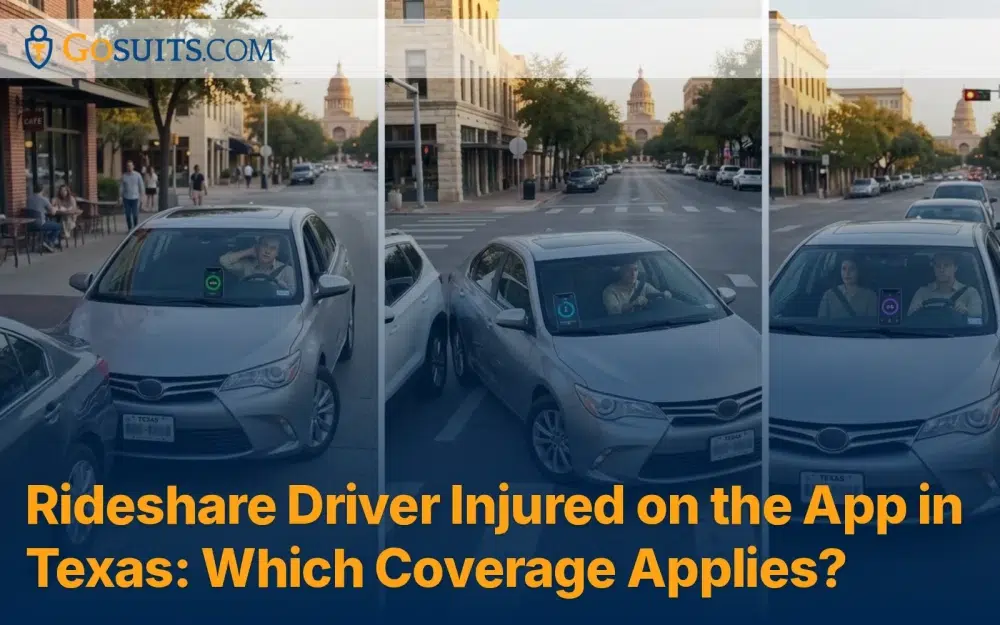
Coverage turns on what the Uber or Lyft driver was doing. Under Insurance Code Chapter 1954, lower limits apply while the driver is logged in and waiting for a request, and $1 million in liability coverage applies once a ride is accepted through the end of the trip.
Your own auto policy
Texas auto policies include personal injury protection (PIP) and uninsured/underinsured motorist coverage unless you rejected them in writing. PIP pays medical bills and lost wages regardless of fault, and UM/UIM coverage can make the difference when the at-fault driver carries only the state minimum.
Wrongful death
Under the Texas Wrongful Death Act, the surviving spouse, children, and parents may bring the claim. Damages can include lost financial support, lost household services, mental anguish, and loss of companionship. A separate survival claim belongs to the estate.
How Texas insurers handle injury claims
Expect a call from the other driver’s adjuster within a day or two. They will ask for a recorded statement and a signed medical authorization that reaches years into your history. Both are used to argue that your pain came from an old injury or that you were partly at fault, which in Texas can push you toward the 51 percent line.
Early offers usually come before an MRI or a specialist visit. Once you sign a release, the claim is over, even if surgery turns out to be necessary.
You are not required to give the other side’s insurer a recorded statement. Give them your lawyer’s name instead.
What to do after you are hurt in Texas
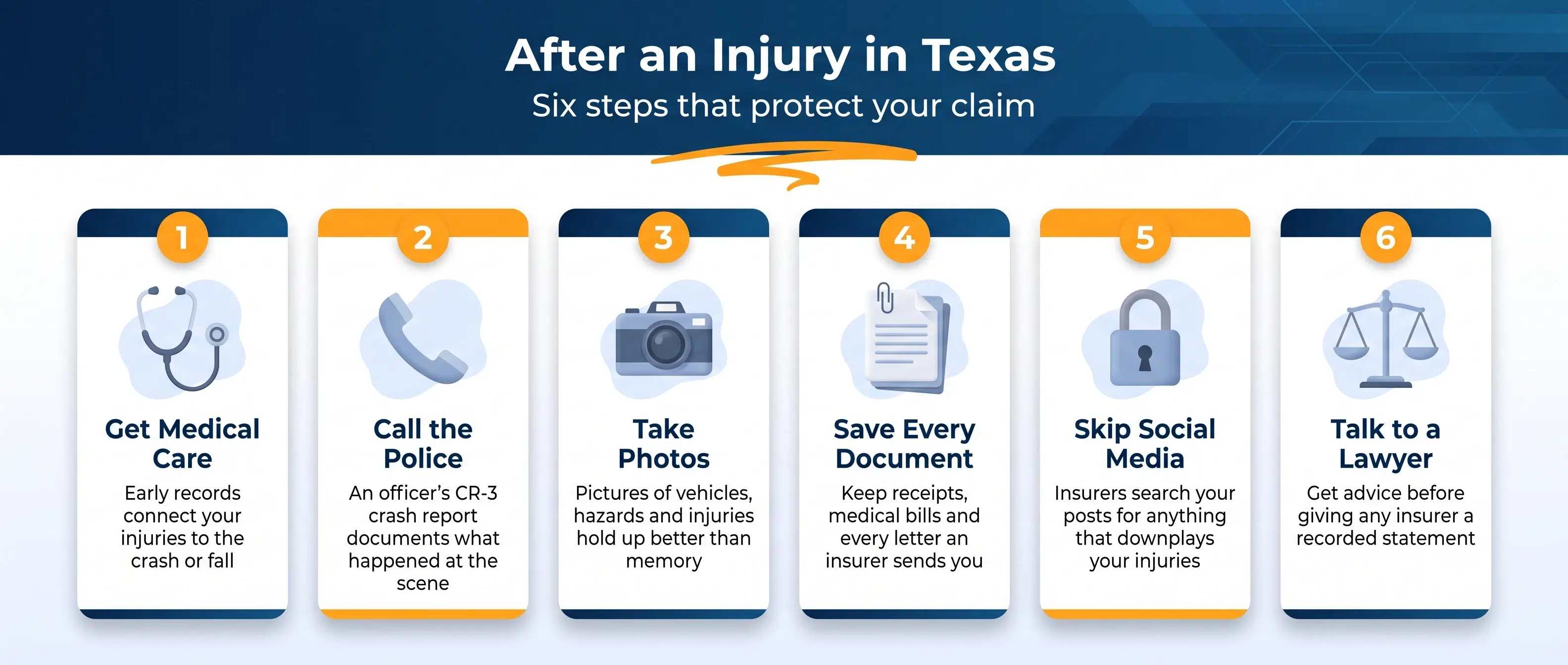
Get medical care right away and keep your appointments. Gaps in treatment are one of the most common reasons Texas adjusters cut offers. Call the police for any crash with injuries so an officer prepares a CR-3 crash report, and get the report number before you leave the scene if you can.
Photograph everything, keep receipts, and save every letter from an insurer. Do not post about the incident on social media. Then talk to a lawyer. You can schedule a free consultation with our team any time, day or night.