































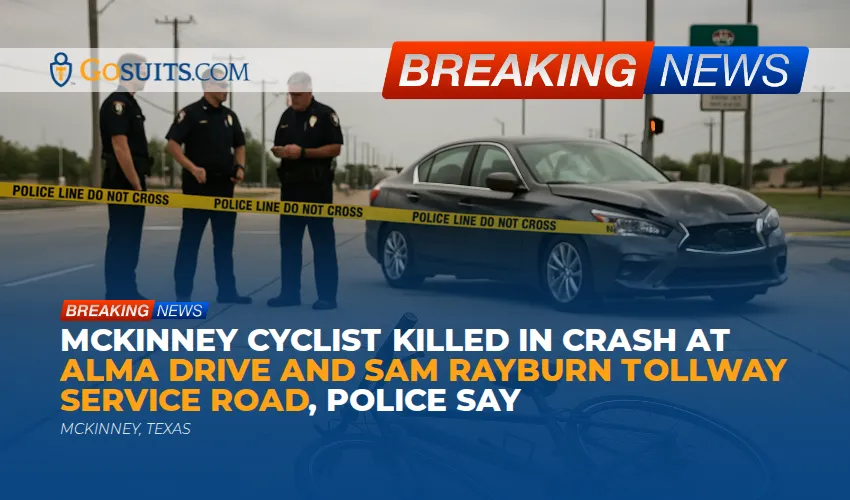
Where do car crashes happen in McKinney?
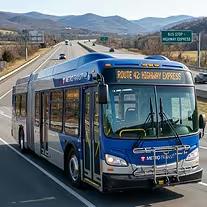
McKinney has added neighborhoods, schools and shopping centers faster than many roads were widened, and the crash patterns show it. Traffic backs up on US-75 (Central Expressway) at peak hours, and stop-and-go conditions lead to rear-end collisions and lane-change crashes. US-380 mixes local drivers with trucks heading east and west, with frequent turn movements at commercial driveways.
The arterials are different. Virginia Parkway and Eldorado Parkway have long signal cycles and heavy left turns, which is the setting for many angle crashes. Near Downtown McKinney, slower speeds and angled parking add pedestrians and backing vehicles to the mix.
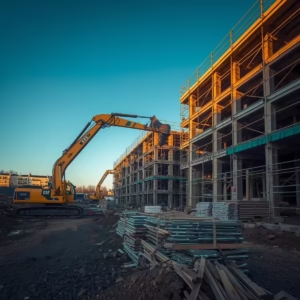
New road construction is a factor too. Lane shifts, reduced speed limits and temporary barriers confuse drivers who are used to the old layout. If a work zone played a part in your crash, tell us, because a contractor or traffic control company may share responsibility.
Who is at fault in a McKinney crash?
Fault drives everything in a Texas car case, so insurers spend a lot of effort on it. Rear-end collisions usually put the blame on the trailing driver, but the lead driver can share it if brake lights failed or the car stopped suddenly without reason. In a left-turn crash, the turning driver generally has to yield to oncoming traffic, though speed and signal timing can change the picture.
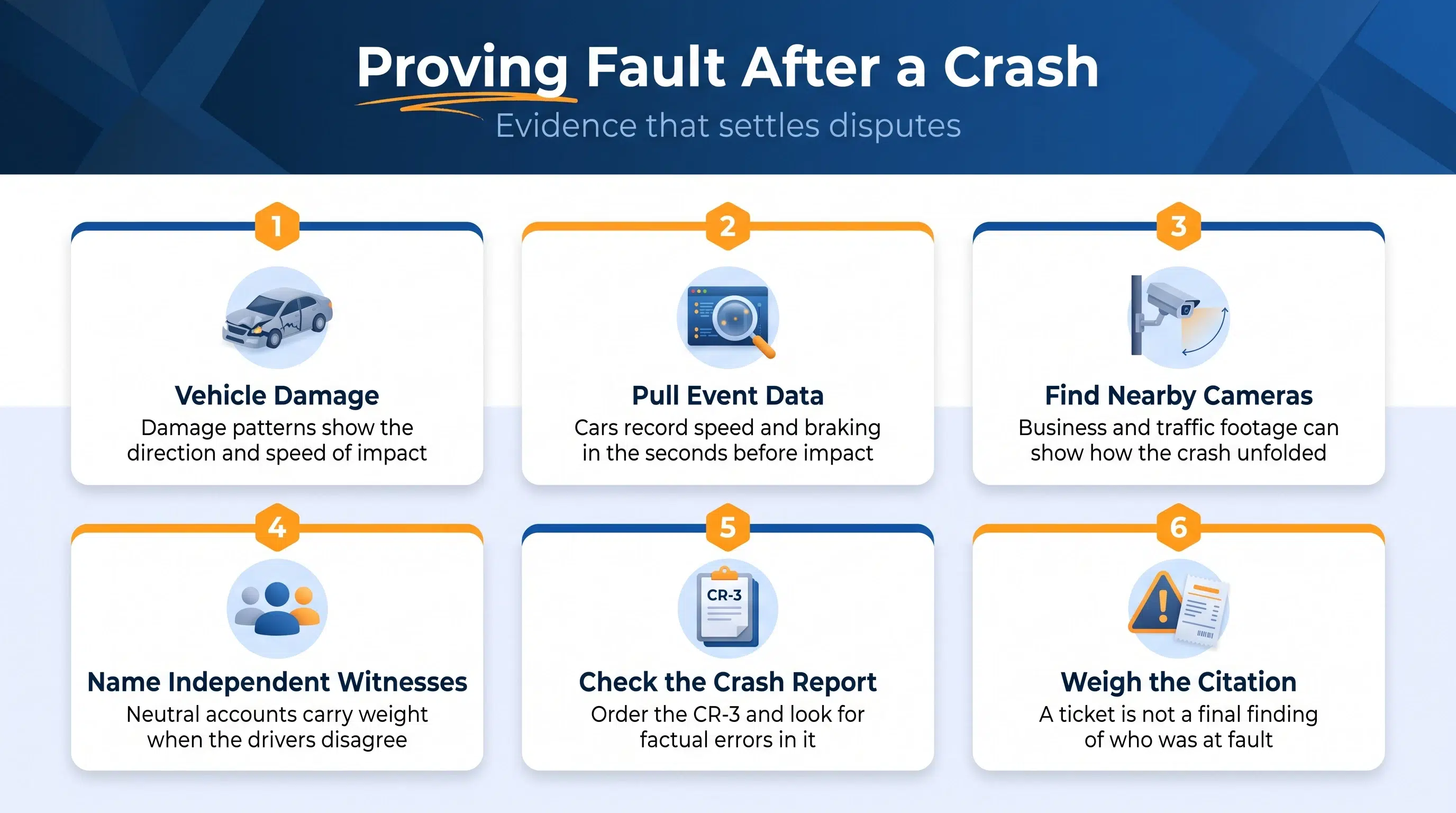
When the drivers tell different stories, we rely on physical evidence: damage patterns, event data recorder readings, nearby cameras and independent witnesses. A citation written at the scene may be offered by the insurer as proof of fault, but a ticket is not a final finding. The officer arrived after the crash, and drivers often pay a citation just to move on.
The police report has its limits as well. It records an officer’s impressions and statements, and mistakes happen. You can order your Texas crash report (Form CR-3) online from the Texas Department of Transportation’s crash report system, and if it contains a factual error, we ask the reporting agency to correct it.
What if the other driver has no insurance, or not enough?
Uninsured and underinsured motorist coverage is optional in Texas, but it exists for exactly this situation. If the at-fault driver fled the scene or carries minimal coverage, your own policy may pay for medical bills and lost income up to your limits. Review your declarations page now, since some drivers reject the coverage in writing without remembering that they did.
Policy limits often come up in serious McKinney collisions. Where an at-fault driver has low limits, we look for other sources, such as an employer, a vehicle owner who gave permission, or a business that served alcohol to an obviously intoxicated driver. If you are not sure what coverage applies after a crash, our guide to the first steps after a Texas crash covers the basics.
What does a car accident claim cover?
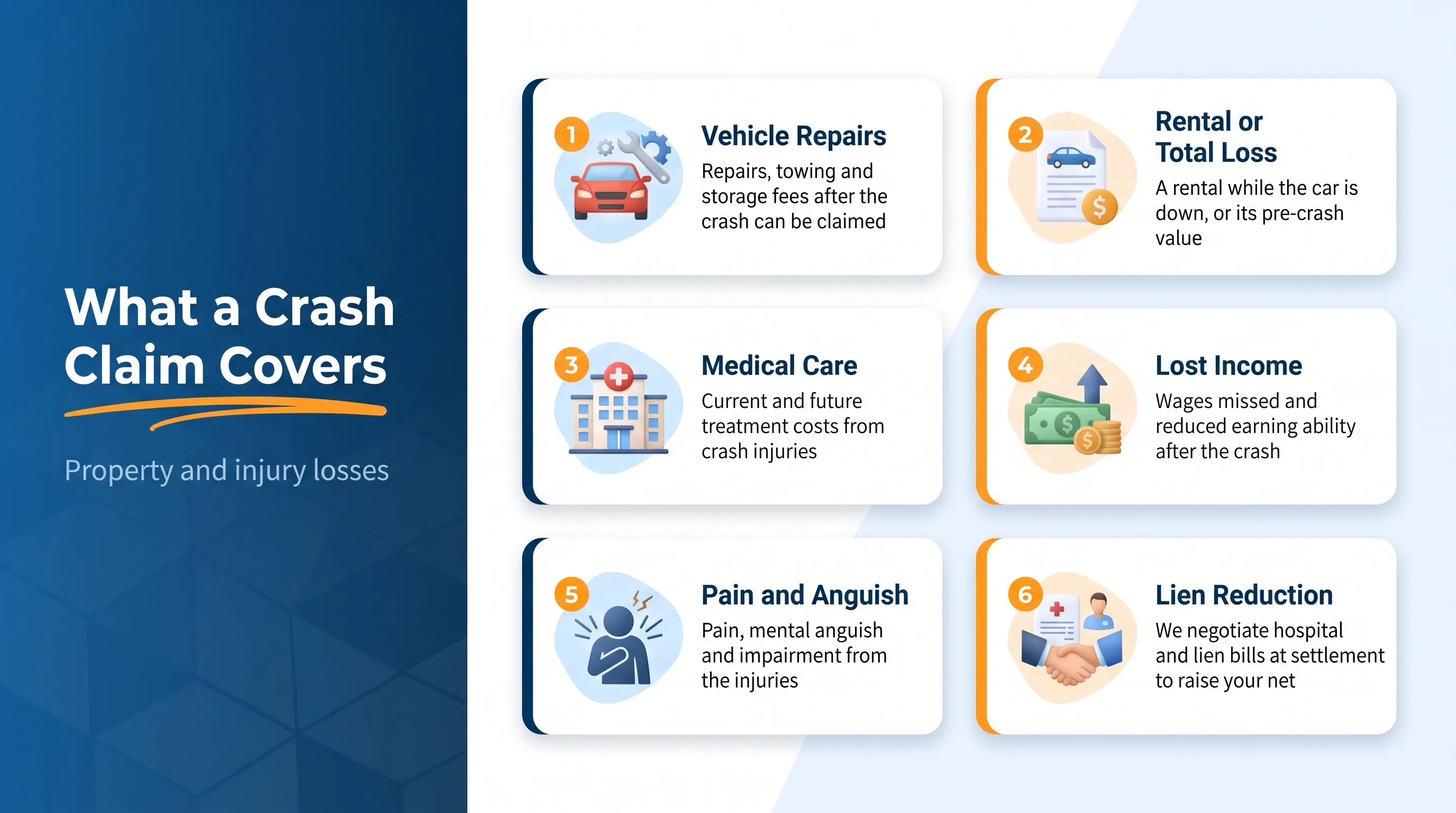
The vehicle is the simplest part. Repairs, towing, storage and a rental car are property damage claims, and if the car is totaled you are generally entitled to its value just before the crash. A crash can also reduce a repaired car’s resale value, which may be a separate claim.
The injury claim is larger and slower. It includes current and future medical care, lost wages, lost earning ability, pain, mental anguish and impairment. Whiplash, concussions, herniated discs and fractures are common after McKinney collisions, and symptoms often get worse for a day or two before they improve.
Your take-home amount depends on liens too. Beyond pursuing the gross recovery from the at-fault insurer, we negotiate with hospitals, ER groups and medical lien holders at settlement to reduce what you owe out of the award, so more of the money reaches you.
How the clock and Texas fault rules apply
A lawsuit over a car accident injury generally has to be filed within two years of the crash, under Section 16.003 of the Texas Civil Practice and Remedies Code. Do not use the full two years as a plan, since evidence is easiest to collect early.
Chapter 33 of the same code governs shared fault. If a jury puts more than 50 percent of the responsibility on you, you cannot recover. If you are 50 percent or less at fault, your award is reduced by your share. So an insurer that moves a few points of blame onto you is not being casual. It is lowering the number.
Delivery vans, rideshare cars and company vehicles
A McKinney crash does not always involve two private drivers. Package vans, food delivery drivers, rideshare cars and contractors’ trucks fill the roads, and each brings a different insurer into the case. A driver who was making a delivery or carrying a passenger may be covered by a commercial policy, and the employer or platform may be responsible for the way the driver was hired and supervised.
These claims need fast action. We ask for trip logs, dispatch records, app data and dash camera video, all of which companies retain for limited periods. If your crash involved a larger commercial vehicle or you were hurt in some other way, our Dallas-area personal injury team can look at the whole picture with you.
Injuries that appear a day or two after the crash
People often leave a collision saying they feel fine. Then the neck stiffens overnight, a headache arrives on day two, or a numb hand shows up a week later. Whiplash and mild concussions are known for this delayed pattern, and so are back injuries.
Tell the doctor about every symptom, including dizziness, trouble concentrating and sleep problems, even if they seem unrelated. Those notes become the medical record that connects your condition to the crash. If your symptoms change, go back, and do not tough it out for weeks before seeking help.
Night driving, wet roads and other McKinney conditions
North Texas storms can turn a dry commute into a hazard within minutes. Wet pavement lengthens stopping distances, and heavy rain lowers visibility on US-75 and US-380. Drivers are expected to adjust speed to the conditions, so weather alone rarely excuses a crash. A driver who was going the speed limit but too fast for a downpour can still be negligent.
The same logic applies at night, on poorly lit stretches near new developments, and at sunrise or sunset when glare is intense. We look at weather records, lighting and the other driver’s choices, and we do not accept that a storm explains everything.
Talking to the adjuster after a crash
The other driver’s insurer may call within hours. Be polite, give your name and the basic facts, and decline to guess about speed, injuries or fault. Do not agree to a recorded statement until you have talked to a lawyer, and do not sign a medical release that gives the insurer open access to your records.
Your own insurer is different, since your policy requires cooperation, but you can still ask a lawyer to be present when you discuss the claim. You can schedule a free consultation before you decide how to respond to either one.
Teen drivers, school zones and family cars
McKinney has many families with new drivers, and school zones along busy arterials fill up twice a day. Crashes involving teenagers raise their own questions. A parent who owns the car may carry the insurance, a teen’s passengers may be injured too, and a driver’s inexperience is not a defense to liability.
If your child was hurt in a crash, a settlement for a minor generally needs court approval in Texas, and the money is protected for the child. We handle those hearings, and we think about long-term effects such as schooling, sports and future medical care.
Which hospitals and doctors will see you after a McKinney crash?
Emergency departments at Baylor Scott & White Medical Center – McKinney and Medical City McKinney treat many crash patients from the city. Where you go is your choice, and a delay of several days before seeing a doctor invites the argument that something else caused your pain. If your injuries were serious, follow every referral, from imaging to physical therapy, and keep each bill and each appointment card.
When a claim involves ongoing care, we also consider whether to wait to settle until your doctor can say how well you are likely to recover. Settling too early on a claim that later turns out to need surgery cannot be undone.
Do most McKinney car cases go to trial?
No. Most end in settlement, often after a demand letter or at mediation. But the insurer’s offer is shaped by how seriously it thinks you will file and try the case, and we prepare every claim with that in mind. When a case does go to court, it is heard in the Collin County district courts in McKinney, where the District Clerk’s office supports 15 district courts and requires electronic filing for civil cases.
Which McKinney car accident cases do we take?
We take McKinney crash cases of every common kind: rear-end and left-turn collisions, work zone crashes, hit and run and uninsured driver claims, teen driver crashes, and collisions with delivery vans, rideshare cars and company vehicles on US-75, US-380, Virginia Parkway and Eldorado Parkway. These cases are handled by our Dallas-area car accident lawyers.
Some crashes are bigger than a car case. If a tractor-trailer or another large truck was involved, our Dallas-area truck accident team handles the carrier and its records, and for injuries beyond the crash itself, our Dallas personal injury office can review the full claim with you.
